Understanding Ductless Mini-Split Installation
What is a Ductless Mini-Split System?
A ductless mini-split system is a modern heating and cooling solution that consists of two main components: an indoor unit and an outdoor condenser. Unlike traditional HVAC systems that rely on ductwork, ductless mini-splits utilize a more flexible design, making them ideal for both new constructions and existing homes where duct installation might be impractical or cost-prohibitive. This system operates using refrigerant lines that connect the indoor and outdoor units, allowing for precise temperature control in specific zones of the home.
Benefits of Ductless Mini-Split Installation
The advantages of ductless mini-split installation extend beyond just comfort. One of the primary benefits is energy efficiency. These systems can significantly reduce energy consumption compared to traditional HVAC systems by eliminating duct losses, which can account for more than 30% of energy use in a conventional system. In addition, the flexibility of having multiple zones allows for tailored heating and cooling, increasing comfort while saving on utilities.
Another major benefit is the ease of installation. Ductless systems require only a small hole for the refrigerant line, making the process faster and less invasive than installing ductwork. Furthermore, these systems offer improved indoor air quality as they often come with multi-stage filtering, which eliminates dust, allergens, and other particles from the air. Lastly, their sleek, modern appearance adds aesthetic appeal to any room.
Key Components of Ductless Systems
Understanding the key components of ductless mini-split systems is essential for proper installation and maintenance. The primary components include:
- Indoor Unit: This is mounted on a wall or ceiling and distributes conditioned air throughout the room.
- Outdoor Unit: This component is typically located outside the home and houses the compressor and condenser.
- Refrigerant Lines: These copper tubes carry refrigerant between the indoor and outdoor units.
- Electrical Wiring: This provides power to the outdoor unit and connects it to the indoor system.
- Control System: Most modern systems include a remote control or wireless control options for easy operation and temperature regulation.
Planning Your Ductless Mini-Split Installation
Choosing the Right Location for Your Units
The location of your ductless mini-split units plays a crucial role in your system's effectiveness. The indoor units should be positioned where they can efficiently circulate air. Areas away from obstructions, high ceilings, or corners are ideal. Conversely, outdoor units should be placed in a shaded area to enhance efficiency and maintain proper airflow. It's essential to ensure that the indoor unit can distribute air evenly without any blockage to optimize heating and cooling.
Determining the Appropriate Size for Your Space
Sizing is critical when it comes to ductless mini-split installation. An improperly sized unit can lead to inefficient operation, leading to excess wear and energy waste. To determine your ideal unit size, you will need to calculate the cooling and heating load for your space, which considers factors such as room size, insulation quality, window size, and local climate. A certified HVAC professional can help you perform Manual J calculations to accurately assess the specifications necessary for your home.
Understanding Electrical Requirements for Installation
Before the installation of a ductless mini-split system, understanding electrical requirements is essential. These systems usually require a dedicated circuit designed to handle the specific electrical load of the unit. The amperage and voltage will vary based on the size of the unit, so consulting the manual provided by the manufacturer and working with a licensed electrician is essential. Ensuring that your home's electrical system can support the additional load is vital for safety and efficiency.
Step-by-Step Ductless Mini-Split Installation Process
Preparing Your Home for Installation
The installation process begins with adequately preparing your home. Start by clearing the area around where the indoor and outdoor units will be installed. Ensure that there are no obstructions, debris, or furniture. It’s also advisable to cover or move any delicate items and to have necessary tools ready for an efficient installation process. Consulting the installation manual and following the manufacturer’s guidelines will provide essential insights into any specific preparations required for optimal installation.
Installing the Indoor and Outdoor Units
Once the preparations are complete, begin by mounting the indoor unit. This involves securing a mounting bracket to the wall, ensuring it is level, and adequately positioned for airflow. Next, drill a hole through the wall to accommodate the refrigerant lines and electrical wiring. After that, install the outdoor unit. Typically, it requires a concrete pad or mounting brackets to elevate it off the ground to prevent damage from moisture.
Connecting Electrical Components and Refrigerant Lines
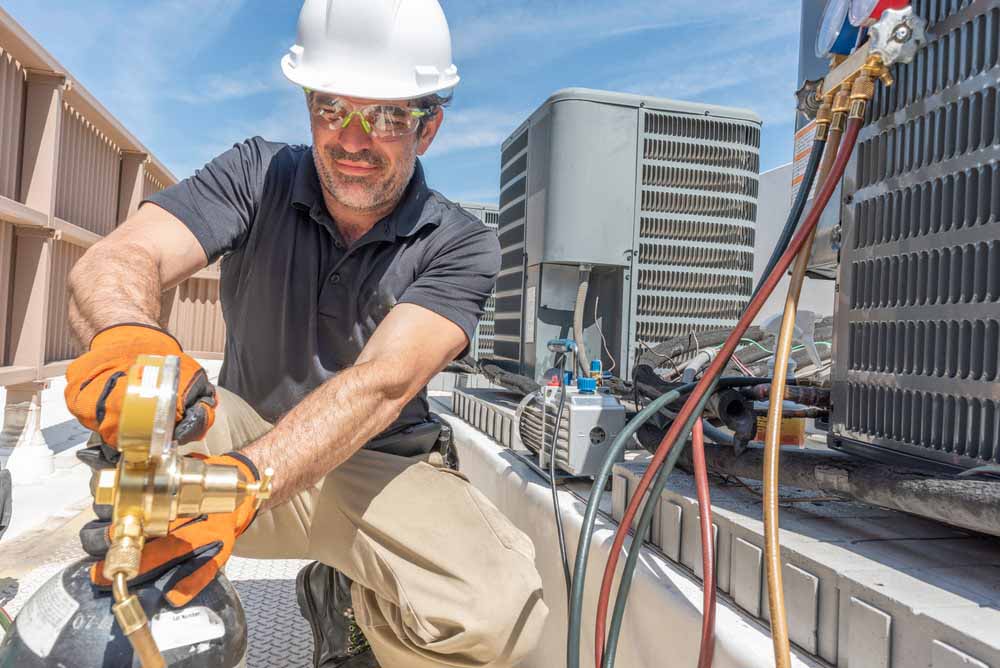
After the units are in place, connect the refrigerant lines and electrical components. This involves carefully following the installation instructions provided with your unit. It's important to ensure that all connections are sealed securely to prevent refrigerant leaks, which can lead to inefficiency or damage. Additionally, finalize the electrical connections, ensuring that the outdoor unit is wired in accordance with local codes and regulations. Double-check all connections before turning on the system to ensure everything is functioning correctly.
Common Missteps in Ductless Mini-Split Installation
Installation Errors to Avoid
Many homeowners attempt to cut corners during the installation of ductless mini-split systems, but this often leads to mistakes that can cause significant issues. One common error is incorrect sizing and placement of the indoor units, which can lead to inadequate heating or cooling. Another is improper sealing of the refrigerant lines, risking leaks. It’s also crucial to avoid connecting the electrical components without sufficient knowledge of your system's requirements, as this could lead to safety hazards.
Best Practices for Optimal Performance
To ensure that your ductless mini-split system operates at optimal efficiency, follow best practices during the installation and afterward. Regular maintenance checks, such as cleaning the filters and inspecting refrigerant levels, are essential for longevity. Additionally, programming the thermostat to suit your lifestyle can help maintain energy efficiency. Investing in professional maintenance annually can further enhance system performance and identify potential issues before they become significant problems.
Ensuring Proper Maintenance After Installation
After installation, maintaining your ductless mini-split system is vital to keep it running efficiently. This involves routine tasks such as cleaning the outdoor unit, checking the filters, and inspecting the ductless mini-split for any signs of wear or issues. It's also advisable to schedule a professional maintenance visit at least once a year to ensure all components are functioning optimally and to prolong the unit's lifespan.
FAQs About Ductless Mini-Split Installation
How long does ductless mini-split installation take?
Typically, the installation process can take anywhere from 4 to 8 hours, depending on the number of units being installed and the complexity of the installation.
Can I install a ductless mini-split myself?
While a homeowner can technically install a ductless mini-split system, it’s highly recommended to hire a professional to ensure it’s done correctly and safely.
What maintenance is required after installation?
Routine maintenance includes cleaning or replacing filters regularly, inspecting refrigerant levels, and ensuring the outdoor unit is clear of debris for optimal airflow.
Are ductless mini-splits energy efficient?
Yes, ductless mini-split systems are energy efficient, often with SEER ratings above 20, which can significantly lower your energy bills compared to traditional systems.
What is the average cost of ductless mini-split installation?
The average cost of ductless mini-split installation can range from $3,000 to $5,000, depending on the number of units, your location, and any additional installation requirements.