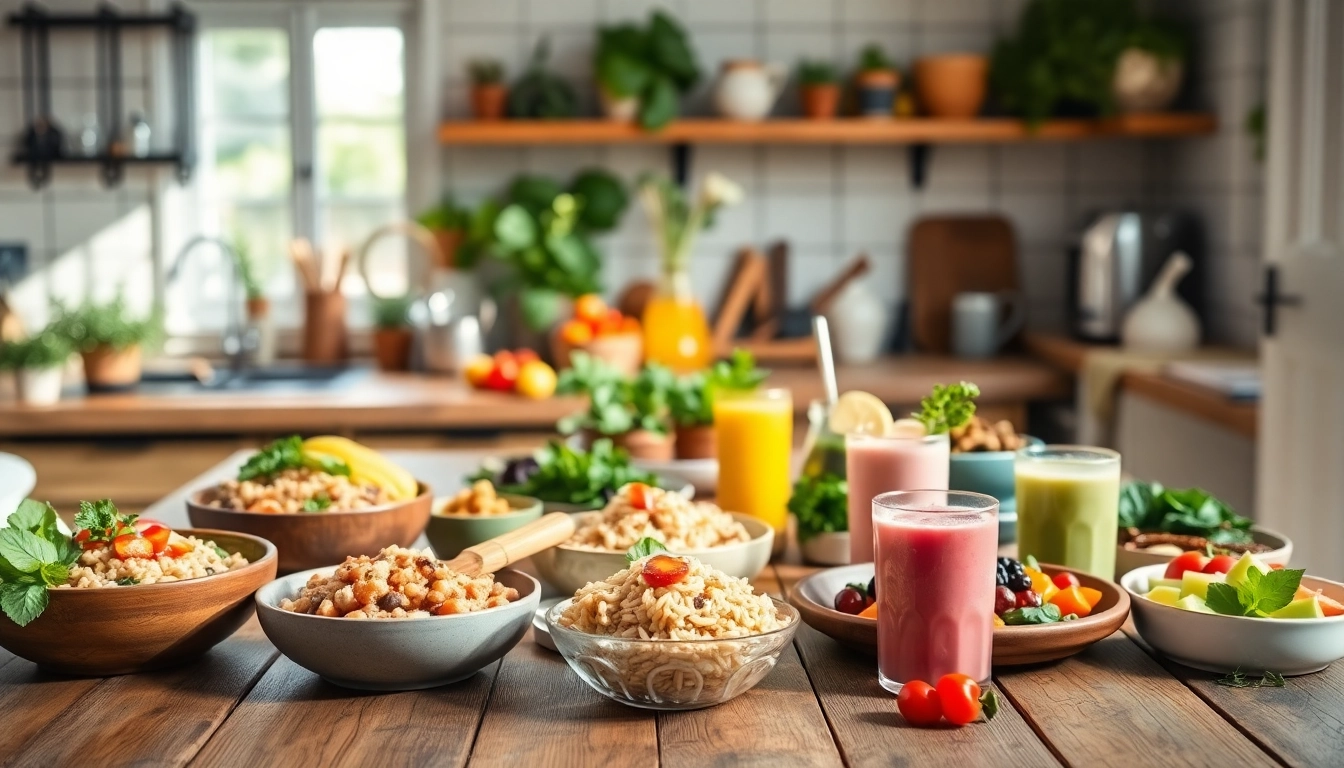
Essential Ingredients for Healthy Recipes
Creating healthy meals begins with understanding the key ingredients that can elevate your recipes. By knowing how to choose fresh produce, utilize whole grains, and include healthy protein sources, you can set the foundation for nutritious and delicious dishes. To explore an array of recipes that embody these principles, visit recipesalexarciab.com.
Choosing Fresh Produce
Fresh produce forms the backbone of healthy eating. When selecting fruits and vegetables, consider the following tips:
- Seasonal Selection: Choose fruits and vegetables that are in season. They are often fresher, more nutritious, and tastier.
- Local Sources: Whenever possible, buy from local farmers’ markets. Local produce travels less distance, making it fresher and supporting local agriculture.
- Visual Inspection: Look for vibrant colors and firm textures. Avoid produce with bruises or blemishes, as they may be signs of spoilage.
- Organic Options: While not always necessary, organic produce can reduce exposure to pesticides. Opt for organic versions of the "Dirty Dozen," which consists of produce typically high in pesticide residues.
Additionally, try to incorporate a variety of colors into your meals. This not only enhances aesthetic appeal but also ensures a wide range of vitamins and minerals.
Whole Grains and Their Benefits
Whole grains are essential for a balanced diet. They provide fiber, vitamins, and minerals while supporting digestive health and reducing the risk of chronic diseases. Consider these whole grains:
- Brown Rice: A staple grain that is rich in fiber and has a lower glycemic index than white rice, making it beneficial for blood sugar control.
- Quinoa: A complete protein containing all nine essential amino acids, making it an excellent choice for vegetarians.
- Oats: High in soluble fiber, oats can improve heart health and help maintain steady energy levels throughout the day.
- Barley: This grain is especially beneficial for weight control due to its high fiber content, promoting a feeling of fullness.
Incorporating whole grains into your meals can involve simple substitutions, such as replacing white pasta with whole grain options or adding cooked grains into salads and soups for extra texture and nutrition.
Healthy Protein Sources
Choosing the right protein sources is crucial for muscle repair and overall health. Here are some healthy options:
- Lean Meats: Skinless chicken breast, turkey, and certain cuts of beef can provide high protein without excessive fat.
- Fish: Rich in omega-3 fatty acids, salmon and sardines contribute to heart health while being excellent sources of protein.
- Legumes: Beans, lentils, and chickpeas are plant-based protein sources high in fiber, making them beneficial for digestive health.
- Nuts and Seeds: Almonds, chia seeds, and flaxseeds provide healthy fats along with protein, making them great additions to meals and snacks.
For achieving a balanced diet, it’s essential to vary your protein sources. This not only enhances flavor and texture in your meals but also ensures a complete nutritional profile.
Quick and Easy Recipes for Busy Nights
In our fast-paced world, healthy eating can sometimes take a backseat to convenience. However, it’s possible to create delicious meals quickly without sacrificing nutritional value. Here are a few simple ideas to streamline your cooking process.
One-Pan Dinners
One-pan dinners are the epitome of convenience. These meals typically involve placing all ingredients on a single baking sheet or in a casserole dish and cooking them together. Here are a couple of ideas:
- Sheet Pan Chicken and Vegetables: Marinate chicken breasts with herbs and spices, surround them with seasonal vegetables like bell peppers and zucchini, and roast for 30-40 minutes.
- Quinoa and Mixed Vegetables: Cook quinoa according to package instructions, add chopped vegetables of your choice, such as spinach and carrots, and sauté with garlic for flavor.
These meals not only minimize cleanup time but also maximize flavor as all the ingredients share the same cooking environment.
Meal Prep Ideas
Meal prepping is a fantastic way to ensure you have healthy options readily available, especially during busy days. Here are some meal prep strategies:
- Batch Cooking: Prepare larger portions of meals that can easily be stored and reheated, such as stews, soups, and casseroles. Divide these into containers for easy grab-and-go options.
- Mix and Match Ingredients: Cook a variety of grains, proteins, and vegetables at the beginning of the week. This allows you to create different meals from the same base ingredients.
- Utilizing Freezer-Friendly Recipes: Make dishes that can be frozen, such as veggie burgers or healthy lasagnas. Label them with cooking instructions and dates for convenience.
With a little planning, meal prep can save you time, reduce food waste, and make healthy eating more attainable.
Snack Ideas for Busy Schedules
Snacking can often lead to unhealthy choices, but with some planning, you can prepare nutritious snacks that satisfy cravings without derailing your diet. Some ideas include:
- Greek Yogurt with Berries: A high-protein snack that provides antioxidants from the berries.
- Hummus and Veggies: Carrot sticks, cucumber slices, and bell peppers paired with hummus make for a crunchy and satisfying choice.
- Nuts and Dried Fruit: A small handful can provide a quick energy boost, packed with healthy fats and natural sweetness.
By preparing these snacks beforehand, you can easily avoid the temptation of less healthy options when you’re in a hurry.
Nutritional Benefits of Simple Ingredients
Understanding the nutritional benefits of ingredients can help you make better choices in the kitchen. By focusing on simple, wholesome ingredients, you can enhance your health and well-being.
Understanding Nutritional Labels
Reading nutritional labels is essential for making informed choices. Here’s what to look for:
- Serving Size: Always check the serving size to accurately gauge how many calories and nutrients you're consuming.
- Ingredients List: Ingredients are listed in descending order by quantity. Aim for products with whole foods listed as the main components.
- Added Sugars and Sodium: Watch for added sugars and high sodium levels. Aim to select items with lower values for a healthier option.
Being mindful of what’s in your food can empower you to make better choices aligned with your health goals.
How Ingredients Affect Health
Every ingredient has its unique set of health effects. Here are some insights:
- Fiber-Rich Foods: Foods high in fiber, such as legumes and whole grains, can aid in digestion and weight management.
- Antioxidant-Rich Ingredients: Berries, nuts, and leafy greens contain antioxidants that combat oxidative stress and reduce inflammation.
- Healthy Fats: Incorporating sources of healthy fats, such as avocados and olive oil, can support heart health and brain function.
Being aware of how ingredients impact health can enhance your cooking choices, leading to more nutritious meals.
Incorporating Superfoods into Meals
Superfoods are nutrient-dense and offer significant health benefits. Here are some superfood options and how to incorporate them into meals:
- Chia Seeds: Add to smoothies or yogurt for a boost of omega-3 fatty acids.
- Sweet Potatoes: A versatile vegetable rich in vitamins A and C; roast them, mash them, or add to stews.
- Spinach: Use fresh spinach in salads, smoothies, or cooked dishes for a nutrient boost.
Incorporating these superfoods into your everyday cooking can enhance both flavor and nutrition.
Cooking Techniques to Maximize Flavor
Utilizing the right cooking techniques can bring out the best flavors in your ingredients, making your meals both delicious and healthy. Here are several effective strategies.
Techniques for Healthy Cooking
Healthy cooking techniques can preserve the nutrients and enhance the flavors of your meals. Consider the following methods:
- Steaming: A great way to cook vegetables without losing nutrients; try steaming broccoli, carrots, or green beans.
- Grilling: Grilling can impart a smoky flavor while requiring less oil, making it a healthier cooking choice.
- Sautéing: Using a small amount of healthy fat to sauté vegetables can enhance their flavors; use olive oil or coconut oil for added health benefits.
Experimenting with these techniques can also bring variety to your cooking routine.
Using Herbs and Spices Effectively
Herbs and spices can transform any meal with their flavors while providing health benefits. Here are tips for using them:
- Fresh vs. Dried: Fresh herbs are often more aromatic, while dried herbs are concentrated. Adjust your amounts accordingly.
- Experiment with Combinations: Combine herbs and spices to create unique flavor profiles. For instance, rosemary pairs well with garlic for a delicious chicken seasoning.
- Health Benefits: Many herbs and spices have anti-inflammatory properties and antioxidants; turmeric and ginger are prime examples.
Incorporating a variety of herbs and spices can create vibrant and flavorful meals while enhancing their health benefits.
Alternative Cooking Methods
Alternative cooking methods can enhance flavor and enjoyment in meals. These methods include:
- Slow Cooking: This method allows flavors to meld together beautifully over time; perfect for soups and stews.
- Pressure Cooking: This technique can significantly reduce cooking time while maintaining nutrients, especially in grains and legumes.
- Raw Food Preparation: Incorporating raw food dishes, such as salads and smoothies, can increase your intake of fresh vegetables and fruits.
Be adventurous in your cooking to discover new flavors while maintaining health.
Inspiring Recipes for Every Meal
Having a repertoire of go-to recipes can make healthy cooking enjoyable and easy for every meal of the day. Here’s a mix of ideas to inspire your cooking.
Breakfast Ideas to Start Your Day
A healthy breakfast can set the tone for the day. Here are some ideas:
- Overnight Oats: Combine oats with yogurt or milk and your choice of fruits, nuts, and seeds. Let it rest overnight for a quick breakfast.
- Veggie Omelet: Whip up an omelet filled with spinach, tomatoes, and feta cheese—a protein-packed breakfast that feels indulgent.
- Smoothie Bowl: Blend your favorite fruits with spinach and top with nuts and seeds for a nutritious morning kick.
These breakfast ideas are quick to prepare and packed with nutrients to fuel your day.
Lunch Options for On-the-Go
Lunch can be the most challenging meal to keep healthy while busy. Here are some portable options:
- Quinoa Salad: Mix cooked quinoa, chopped vegetables, and a light vinaigrette for a filling meal that travels well.
- Wraps: Use whole grain wraps filled with lean protein, hummus, and a variety of vegetables for a balanced meal.
- Soup Jar: Layer ingredients for a nutritious soup in a jar; when ready to eat, just add hot water and let it steep.
These lunches can be prepared ahead of time, making it easy to eat healthy even when you're in a rush.
Dinner Recipes for the Whole Family
End your day with satisfying dinners. Here are some family-friendly options:
- Stir-Fried Tofu and Vegetables: A mix of colorful vegetables and tofu, seasoned with soy sauce and sesame oil.
- Baked Salmon with Asparagus: Salmon fillets baked with lemon and herbs served alongside roasted asparagus for a nutritious meal.
- Vegetable Curry: A blend of spices, coconut milk, and assorted vegetables that caters to various palates.
These recipes not only cater to different tastes but also promote family bonding during meal times.