1. Overview of Manaslu Trekking
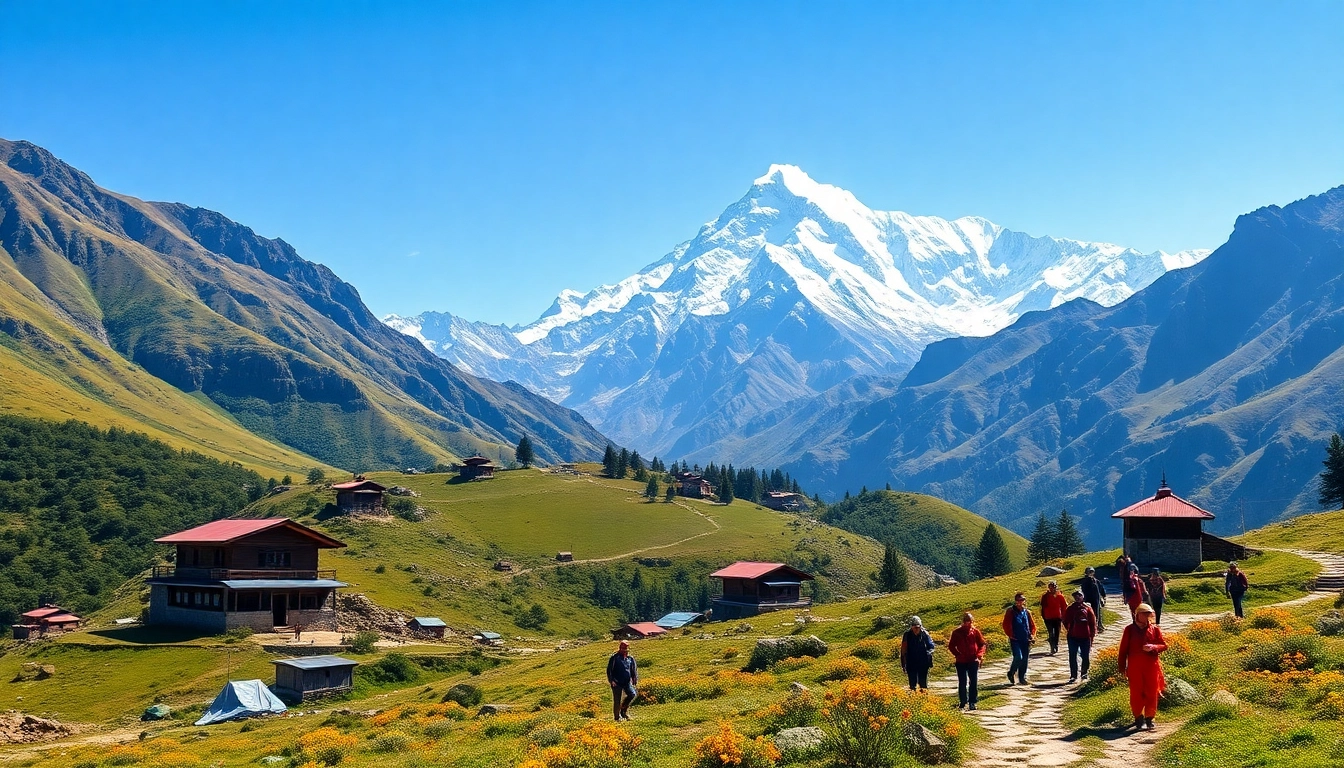
The Manaslu Circuit Trek presents an unforgettable journey through the stunning landscapes of Nepal. As the world's eighth-highest mountain, Mount Manaslu towers at 8,163 meters, offering trekkers a unique opportunity to explore the rich cultural tapestry of the surrounding communities while witnessing breathtaking panoramas. This trek is not just about reaching a destination; it is a cultural immersion and an adventure that challenges the spirit and body alike. When exploring options, manaslu trekking offers comprehensive insights into the beauty and challenges of this remarkable journey.
1.1 What is the Manaslu Circuit Trek?
The Manaslu Circuit Trek is a spectacular route that circumvents Mount Manaslu, taking trekkers through remote villages, lush forests, and rugged Himalayan terrain. This trek falls within the Manaslu Conservation Area and is known for its pristine beauty and fewer crowds compared to other popular treks in Nepal, such as the Annapurna Circuit. The trek typically lasts 15 days and is often considered a more adventurous and culturally enriching experience.
1.2 Key Highlights of the Trek
- Stunning views of Mount Manaslu and surrounding peaks such as Himlung, Cheo, and Kanguru.
- Experiencing the local cultures of Gurung and Tibetan communities.
- Crossing the Larkya La Pass at 5,160 meters, offering panoramic views.
- Exploring beautiful monasteries, including the Pungyen Gompa.
- Encountering rich biodiversity, from pine forests to alpine meadows.
1.3 Unique Challenges of Manaslu Trekking
While the Manaslu Circuit Trek is less crowded, it is not without its challenges. Trekkers must prepare for high altitudes, with the risk of Acute Mountain Sickness (AMS) becoming a concern as they ascend past 3,000 meters. The trails can be steep and rugged, demanding a good level of physical fitness and mental resilience. Furthermore, unpredictable weather conditions can add to the trek's challenges, with sudden changes in temperature and rainfall not unusual.
2. Preparing for the Manaslu Circuit
2.1 Essential Gear and Packing List
Preparation is key to enjoying the Manaslu Circuit Trek. Essential gear includes:
- Footwear: Sturdy, waterproof trekking boots for rocky terrain.
- Clothing: Layered clothing suitable for varying temperatures, including thermal base layers, insulated jackets, and windproof outer layers.
- Sleeping Gear: A sleeping bag rated for -15°C (5°F) is recommended for the colder nights at higher elevations.
- Hydration: A refillable water bottle and purification tablets or filters to ensure safe drinking water.
- First Aid Kit: Include altitude sickness medication and personal medications.
2.2 Physical Fitness Requirements for Manaslu Trekking
The Manaslu Circuit Trek demands a moderate to high level of fitness. Trekkers should engage in regular cardiovascular exercises such as running, cycling, or hiking weeks prior to departure. An essential part of preparation includes acclimatizing to higher altitudes, ensuring your body can adapt as you ascend.
2.3 Health Precautions and Travel Insurance
Trekkers must be cautious regarding their health, especially concerning altitude sickness. It is advisable to consult with a healthcare provider before the trek, particularly if you have pre-existing health conditions. In addition, comprehensive travel insurance that includes coverage for high-altitude trekking and medical evacuation is essential for safeguarding against unforeseen circumstances.
3. Itineraries and Mapping Your Trek
3.1 Sample 15-Day Itinerary for Manaslu Trek
A sample itinerary for the Manaslu Circuit Trek typically involves the following:
- Day 1: Arrival in Kathmandu and transfer to hotel.
- Day 2: Drive to Machha Khola via Soti Khola.
- Day 3: Trek from Machha Khola to Jagat.
- Day 4: Traverse from Jagat to Deng.
- Day 5: Reach Namrung from Deng.
- Day 6: Trek to Lho.
- Day 7: Arrive at Samagaon.
- Day 8: Acclimatization day at Samagaon.
- Day 9: Trek to Samdo.
- Day 10: Move to Dharmashala.
- Day 11: Cross Larkya La Pass to Bimthang.
- Day 12: Trek to Goa.
- Day 13: Reach Dharapani.
- Day 14: Drive back to Kathmandu.
- Day 15: Final transfer to the airport.
3.2 Understanding the Trekking Routes and Elevation
The trek covers a distance of approximately 177 kilometers (110 miles), with elevation gains and losses that can be taxing on the body. The highest point reached is the Larkya La Pass at an altitude of 5,160 meters. Maps detailing the elevation changes are crucial for planning your daily distances and ensuring proper acclimatization.
3.3 Tips for Adjusting Your Itinerary
Flexibility is key when planning your itinerary. Weather conditions may necessitate changes, and personal health should be prioritized over sticking rigidly to a schedule. Always allocate additional days for acclimatization and possible delays, particularly when traversing high-altitude passes.
4. Cultural Experiences Along the Trek
4.1 Engaging with Local Communities
The Manaslu Circuit Trek provides ample opportunity to connect with local communities. Visitors can engage in cultural exchanges, learn traditional crafts, and experience the warm hospitality of the Gurung and Tibetan peoples. Participating in local festivals or visiting schools can deepen this cultural experience.
4.2 Traditional Foods You Must Try
Trekking through the Manaslu region, you'll come across numerous food items that reflect the local culinary traditions:
- Daal Bhat: A staple meal of rice and lentil soup, usually served with vegetables and pickles.
- Momos: Delicious dumplings filled with meat or vegetables.
- Special Tibetan Bread: A fried bread that is often served with tea.
- Garlic Soup: Known for its benefits in helping with altitude sickness.
4.3 Spiritual Sites and Cultural Landmarks
Along the trek, trekkers will have the chance to visit significant religious sites, including various monasteries such as the Pungyen Gompa. The presence of prayer flags and stupas along the route enhances the spiritual ambiance of the journey, connecting trekkers to the area's deep-rooted Buddhist heritage.
5. Navigating Permits and Costs
5.1 Required Permits for Manaslu Trekking
To embark on the Manaslu Circuit Trek, trekkers must secure several permits, including:
- Manaslu Conservation Area Permit (MCAP)
- Manaslu Restricted Area Permit (MRAP)
- Trekkers Information Management System (TIMS) Permit
5.2 Breakdown of Costs and Budgeting for 2025
The cost of the Manaslu Circuit Trek varies based on factors such as group size, time of year, and the services included in the trekking package. Typically, trekkers can expect to pay between $1,500 to $2,500 for a 15-day trek, covering transportation, accommodation, meals, and permits. It's advisable to budget for additional expenses such as snacks, souvenirs, and any optional activities.
5.3 Travel Tips for Cost-Effective Manaslu Adventures
To manage costs efficiently during your Manaslu trek:
- Consider traveling in the off-peak seasons to enjoy lower prices.
- Join a group trek to share costs.
- Utilize local eateries for meals rather than more expensive lodges.
- Rent equipment in Kathmandu instead of purchasing new gear.