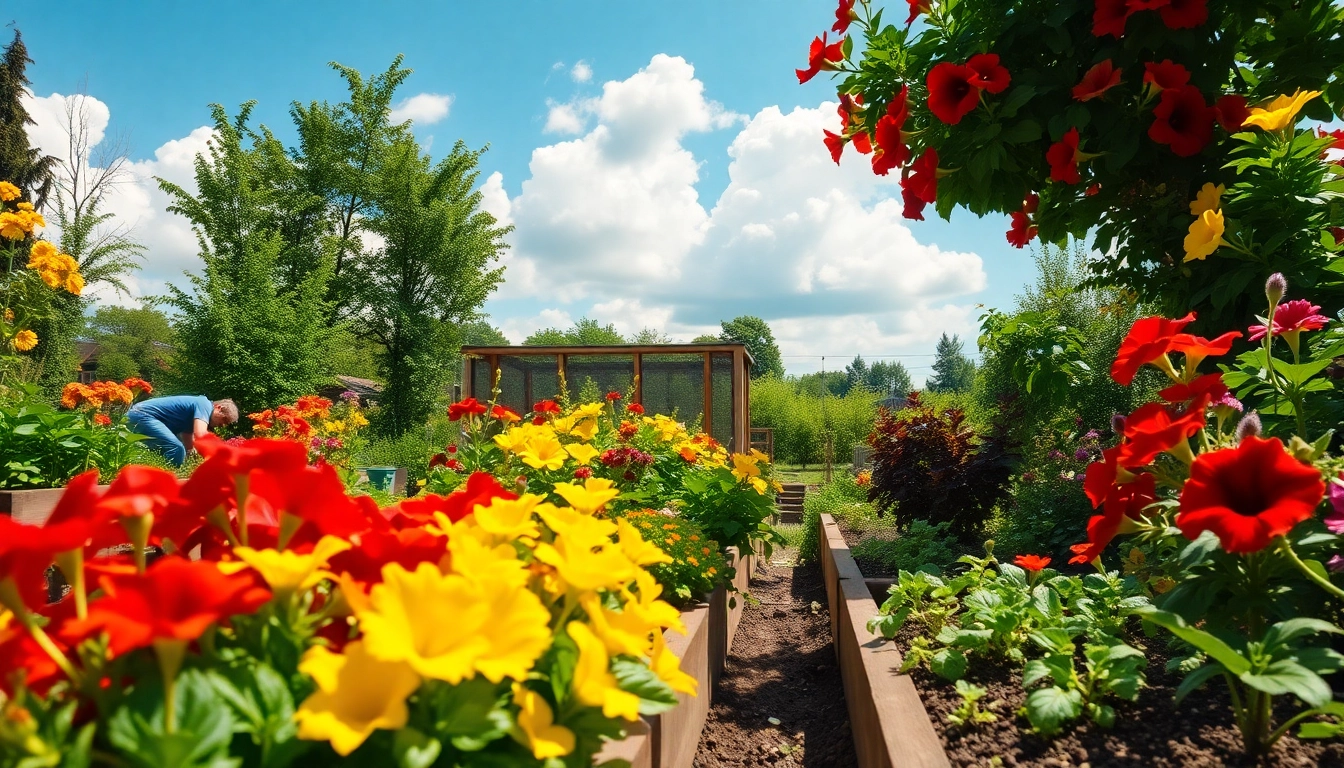
Getting Started with Gardening
Gardening can be a rewarding and fulfilling endeavor for anyone with a passion for nurturing plants and creating beauty in their environment. Whether you are a novice embarking on your first gardening project or a seasoned horticulturist, understanding the basics is essential for cultivating a healthy garden. By focusing on key aspects such as Gardening zones, tools, and planting techniques, you can ensure that your green space flourishes.
Understanding Your Gardening Zone
The first step in successful gardening is knowing your gardening zone, which is determined by your geographic location and its specific climate conditions. The USDA Plant Hardiness Zone Map is a vital tool for gardeners, as it divides the United States into different zones based on minimum annual temperatures. Understanding your zone allows you to select plants that can thrive in your environment, particularly with regard to temperature and seasonal changes.
For example, if you reside in a warmer zone, you may opt for heat-tolerant plants, while cooler zones may necessitate varieties that can withstand frost. Research and consider the following while determining your gardening zone:
- Annual average lows
- Frost dates
- Sunlight availability.
Choosing the Right Tools for Gardening
The right tools can make all the difference in maintaining your garden. As a beginner, you should invest in fundamental tools that cater to your gardening needs. Basic tools include:
- Hand trowel: Ideal for planting, weeding, and transplanting.
- Pruning shears: Essential for trimming and maintaining plant health.
- Spade: Useful for digging and transferring soil.
- Garden fork: Great for breaking up compacted soil.
- Watering can or hose: Vital for providing adequate moisture to your plants.
Don't overlook safety equipment such as gloves and knee pads to protect yourself from injury or strain during gardening activities.
Basic Planting Techniques in Gardening
Once you have your tools ready, the next step involves understanding basic planting techniques. Here are a few essential practices:
- Seed planting: Plant seeds according to the depth recommended on the packet. Keep the soil moist but not saturated.
- Transplanting seedlings: Gradually acclimate young plants to outdoor conditions to avoid shock. Transplant on an overcast day or in the late afternoon.
- Spacing: Follow spacing guidelines for each plant to ensure adequate airflow and room for growth.
Practicing these techniques will help ensure a successful start to your gardening journey.
Planning Your Garden Layout
Strategic planning is crucial for a productive garden. An effective plan maximizes your space and enhances the health of your plants.
Creating a Balanced Planting Design
A balanced planting design is about understanding the needs of each plant and arranging them in a way that optimizes their growth. Consider the height, spread, and light requirements of each plant when creating your layout. Taller plants should be positioned towards the back or center, while shorter plants can be placed at the edges. This allows every plant to receive adequate sunlight and air circulation.
Additionally, consider aesthetics; intersperse colors and textures for visual appeal throughout your garden.
Maximizing Space in Gardening
Whether you have a small balcony or a large yard, maximizing your garden space is essential. Here are some techniques to make the most out of your available area:
- Vertical gardening: Utilize vertical structures like trellises and planting towers to save ground space while growing climbing plants.
- Raised beds: Consider building raised beds to increase soil warmth and simplify maintenance.
- Container gardening: Use pots to grow herbs and flowers where ground space is limited; they can be moved to catch the sun as needed.
Companion Planting Strategies
Companion planting involves growing different plants in proximity for mutual benefit, which can improve pest control, pollination, and growth. Some popular companion planting combinations include:
- Tomatoes and basil for improved flavor and pest resistance.
- Carrots and onions to deter pests naturally.
- Cucumbers and beans, which climb together, maximizing vertical space.
By applying these strategies, you can enhance the productivity of your garden.
Soil Preparation Essentials
Healthy plants start with nutrient-rich soil. Proper preparation sets the foundation for a thriving garden.
Testing Soil Quality for Gardening
Before planting, conduct a soil test to analyze pH levels and nutrient content. Soil test kits are readily available, allowing you to understand your soil composition. This knowledge will guide you in deciding what amendments are necessary to optimize plant growth.
Typical soil quality tests check for:
- Nitrogen, phosphorus, and potassium levels
- Soil pH
- Organic matter content
Amending Soil for Nutrient-Rich Growth
Based on soil test results, amend your soil with the necessary nutrients. Common amendments include:
- Compost: Adds organic material and beneficial microorganisms to the soil.
- Peat moss: Retains moisture and improves soil aeration.
- Fertilizers: Use organic or synthetic options to elevate nutrient levels based on specific plant requirements.
Incorporate these amendments into the soil, ensuring they are well mixed throughout the garden bed.
Organic vs. Conventional Soil Practices
When considering soil practices, you can choose between organic and conventional methods. Organic gardening emphasizes natural amendments and avoids synthetic fertilizers, prioritizing sustainability and environmental health. Conventional gardening, while often more straightforward in terms of immediate results, can rely on chemical treatments.
Ultimately, your choice of gardening practice should align with your values, resources, and the time you’re willing to dedicate to maintaining your garden.
Watering and Maintenance in Gardening
Sufficient watering and regular maintenance are critical components of successful gardening. Proper hydration and consistent care keep plants healthy and productive.
Effective Irrigation Systems
Watering can be a time-consuming task, but employing an effective irrigation system can save you effort while ensuring that your plants receive adequate moisture. Some methods include:
- Drip irrigation: A highly efficient system that delivers water directly to the root zone.
- Soaker hoses: These hoses diffuse water along their length, promoting even moisture distribution.
- Sprinkler systems: Consider automatic timers to schedule regular watering sessions, especially during dry spells.
Adjust your watering practices based on seasonal weather patterns and specific plant hydration needs.
Common Gardening Pests and Solutions
Pest management is essential for maintaining a thriving garden ecosystem. Familiarize yourself with common pests such as aphids, spider mites, and cucumber beetles. Integrated pest management (IPM) strategies can help control pests organically:
- Physical barriers: Use row covers or nets to prevent pests from reaching plants.
- Natural predators: Introduce beneficial insects like ladybugs and lacewings to help combat pest populations.
- Companion planting again: As noted earlier, certain plants can deter specific pests when planted together.
Monitoring your plants regularly enables early detection of pest issues.
Seasonal Maintenance Tips for Gardening
Each season presents unique maintenance tasks to ensure ongoing garden health:
- Spring: Prepare your garden beds, start seeds indoors, and plan your spring planting.
- Summer: Regularly water, weed, and monitor for diseases; harvest ripe produce.
- Fall: Collect fallen leaves for compost; plan for next season by testing soil again.
- Winter: Mulch to protect roots from freezing temperatures; reflect on what worked well in your garden this year.
Harvesting and Enjoying Your Gardening Bounty
The culmination of your gardening efforts comes with the reward of harvesting. Knowing the appropriate time and techniques for harvesting ensures that you enjoy maximum flavor and quality.
Determining the Right Time to Harvest
Understanding when to harvest your crops can make a significant difference in flavor, texture, and nutritional value. Each crop has unique indicators for optimal harvest time:
- Fruits should be plump and colored appropriately.
- Vegetables should be harvested at the size recommended for their variety.
- Herbs should be cut before they flower for the best flavor.
Take time to learn the specific signs for each plant type; this knowledge will enhance your overall gardening experience.
Tips for Preserving Your Garden Produce
To enjoy your gardening bounty year-round, consider preservation techniques:
- Canning: Use this method for fruits and vegetables to store in a shelf-stable way.
- Freezing: This quick method retains the flavor and nutrients while keeping your produce fresh.
- Drying: Herbs and some vegetables can be air-dried or dehydrated for long-term storage.
- Fermentation: This traditional method provides flavorful results and health benefits.
Properly preserving your harvest allows you to savor the fruits of your labor even in the off-season.
Sharing Your Gardening Success with Others
Gardening is not only about personal satisfaction but can also foster community connections. Share your produce with friends and family, or participate in local farmers' markets to sell excess goods. Online gardening forums or social media groups are excellent platforms for sharing tips, experiences, and successes in gardening. Consider creating a gardening blog or starting a community garden to engage with fellow gardening enthusiasts. This not only motivates you but also helps build a community around sustainable practices.