1. Understanding Gardening Basics
1.1 What is Gardening?
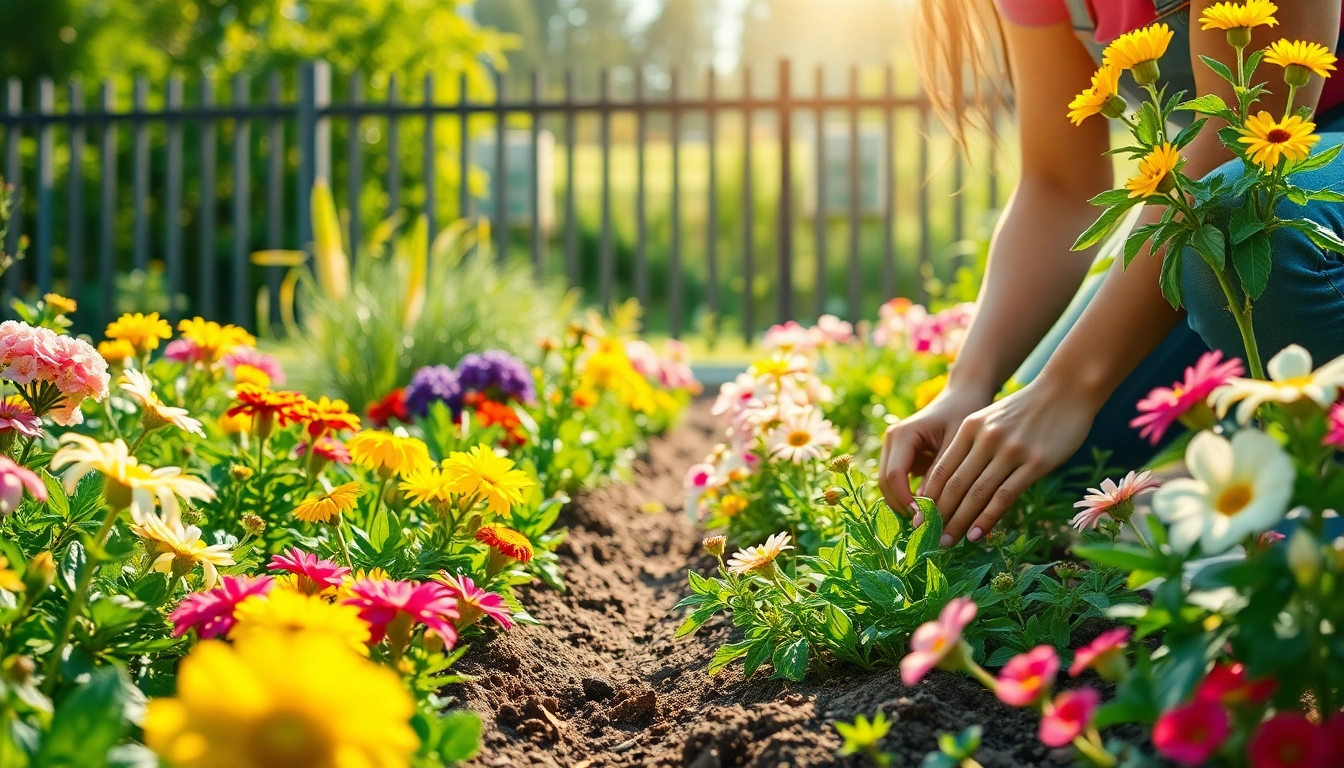
Gardening is a nurturing art and a rewarding practice that involves the cultivation of plants for food, beauty, or environmental enhancement. It encompasses various practices, including the growing of vegetables, fruits, flowers, and ornamental plants, and can be an enriching hobby that promotes well-being while providing fresh produce. By engaging in Gardening, individuals can connect with nature, learn about plant biology, and contribute to the ecosystem.
1.2 Essential Gardening Tools
To successfully manage a garden, having the right tools is essential. Some basic tools include:
- Hand Trowel: Useful for digging small holes and planting seeds.
- Garden Fork: Helps in loosening soil and turning compost.
- Pruning Shears: Vital for trimming plants and shaping trees.
- Watering Can: Facilitates controlled watering, particularly for delicate plants.
- Gloves: Protects hands from thorns and dirt while gardening.
Investing in quality tools can lead to improved efficiency and enjoyment in the gardening process.
1.3 Garden Types: Choosing What Suits You
There are many types of gardens, and choosing the right one depends on available space, climate, and personal preferences. Some common types include:
- Vegetable Garden: Focuses on growing fruits and vegetables for personal consumption.
- Flower Garden: Dedicated to ornamental plants to enhance beauty and attract pollinators.
- Herb Garden: Cultivating herbs for culinary and medicinal purposes.
- Container Garden: Ideal for limited spaces; involves growing plants in pots or containers.
- Raised Bed Garden: Consists of elevated beds filled with soil; great for managing soil quality and drainage.
Evaluating which type of garden aligns with your interests and lifestyle can lead to a more satisfying gardening experience.
2. Planning Your Garden Space
2.1 Site Selection for Optimal Growth
The right site for your garden can significantly impact plant growth. Consider the following factors when selecting a spot:
- Sunlight: Most plants require at least 6-8 hours of sunlight per day. Observe sunlight patterns throughout the day.
- Water Access: Ensure proximity to a water source for easy irrigation.
- Soil Quality: Test the soil for pH, nutrients, and drainage to select areas with well-drained soil.
- Wind Protection: Consider planting near structures or trees that can shield the garden from strong winds.
Analyzing these factors will help you create an environment conducive to plant health and productivity.
2.2 Soil Preparation: The Foundation of Gardening
Soil quality is crucial to successful gardening. Preparing the soil involves several key steps:
- Testing Soil: Conduct tests to evaluate pH and nutrient levels; amendments may be needed to improve soil quality.
- Amending Soil: Add organic matter like compost, manure, or peat moss to enhance soil structure and fertility.
- Tilling Soil: Loosen compacted soil using a shovel or tilling machine to improve aeration and drainage.
- Weeding: Remove any existing weeds to prevent competition for nutrients and space.
By investing time in soil preparation, you’re laying a solid foundation for thriving plants and a productive garden.
2.3 Designing a Functional Garden Layout
A well-thought-out layout contributes to efficient use of space and improved maintenance. Consider these design principles:
- Plan Rows: Arrange plants in rows or blocks for easy access and maintenance.
- Consider Plant Height: Place taller plants toward the back of beds and shorter ones in front for optimal sunlight exposure.
- Group by Type: Organize plants by type (e.g., vegetables, flowers) for better management and aesthetic appeal.
- Plan for Growth: Give plants enough space to grow without overcrowding; follow recommended spacing guidelines.
Taking the time to create a functional garden layout can streamline gardening tasks while maximizing productivity.
3. Planting Techniques for Success
3.1 Seed Selection and Sowing Basics
The choice of seeds can make or break your gardening efforts. When selecting seeds, consider:
- Climate Adaptation: Choose varieties suited to your local climate and growing conditions.
- Seed Quality: Look for high-quality seeds with a good germination rate; reputable sources are crucial.
- Timing: Pay attention to planting times; some seeds perform best when sown indoors before the last frost.
When sowing, follow depth guidelines provided on seed packets and ensure consistent moisture levels for optimal germination.
3.2 Transplanting Seedlings: Best Practices
Transplanting seedlings can promote healthy growth. Follow these best practices:
- Timing: Transplant seedlings after they have developed true leaves and when outdoor conditions are suitable.
- Harden Off: Gradually acclimate seedlings to outdoor conditions by exposing them to sunlight and wind over a week.
- Transplanting Technique: Handle seedlings by leaves, avoid disturbing roots, and plant at the same depth they grew indoors.
- Watering: Water thoroughly after transplanting and keep an eye on moisture levels to soothe transplant shock.
By following these protocols, you can minimize stress on the plants during the transplanting process, aiding in smoother establishment.
3.3 Companion Planting: Boosting Growth Naturally
Companion planting is a time-tested strategy that can enhance growth and deter pests. Consider these popular combinations:
- Tomatoes and Basil: Basil can repel pests and enhance the flavor of tomatoes.
- Carrots and Onions: These two can benefit each other by masking odors that attract pests.
- Marigolds with Vegetables: Marigolds deter nematodes and various garden pests.
Using companion planting can create a more vibrant ecosystem in your garden, promoting healthy plant interactions.
4. Caring for Your Garden
4.1 Watering Techniques: Efficient Methods
Watering is fundamental for plant health. To ensure efficient water delivery, consider these techniques:
- Drip Irrigation: This method delivers water directly to the plant roots, minimizing waste and evaporation.
- Soaker Hoses: Lay soaker hoses along planting rows for slow, even water release.
- Watering Schedule: Water early in the morning or late in the afternoon to reduce evaporation loss.
- Moisture Monitoring: Use soil moisture meters to accurately assess watering needs.
Implementing these practices will help maintain consistent moisture levels, fostering robust plant growth.
4.2 Pest Management Strategies
Managing pests is essential for maintaining plant health. Here are effective strategies:
- Preventive Measures: Rotate crops annually and maintain plant diversity to lessen pest risk.
- Natural Predators: Introduce beneficial insects like ladybugs and lacewings to control pest populations.
- Physical Barriers: Use row covers or insect netting to shield plants from pests.
- Organic Pesticides: If necessary, utilize organic options that target specific pests without harming beneficial insects.
By proactively managing pests, you can promote a healthier garden ecosystem and yield better results.
4.3 Fertilization: Nourishing Your Plants
Proper fertilization is crucial for plant health. Focus on the following:
- Understand Nutrient Needs: Different plants have varying nutrient requirements; conduct soil tests to identify deficiencies.
- Organic Options: Incorporate compost, well-rotted manure, and organic fertilizers to provide essential nutrients naturally.
- Application Timing: Fertilize during active growth periods in spring and early summer for optimal uptake.
- Don’t Overdo It: Excess fertilizer can harm plants and the environment; follow recommended application rates.
By fostering a balanced nutrient approach, you'll promote healthier plants and better yields.
5. Harvesting and Maintaining Your Garden
5.1 When to Harvest: Timing is Key
Knowing when to harvest is crucial for maximizing flavor and nutrition. Keep the following in mind:
- Visual Cues: Learn the specific signs of ripeness for each plant, such as color, size, and firmness.
- Touch Testing: Gently squeeze fruits and vegetables to assess if they are appropriately ripe.
- Regular Checks: Observe your garden frequently during the harvest season to catch ripe produce at the right time.
Taking the time to harvest at the right moment ensures that your hard work pays off in flavor and quality.
5.2 Common Gardening Challenges and Solutions
Gardening can pose challenges. Here are common issues and their respective solutions:
- Overwatering: Solution: Adjust irrigation schedules and use soil moisture meters to prevent root rot.
- Pests and Diseases: Solution: Implement integrated pest management strategies and remove affected plants promptly.
- Weeds: Solution: Regularly mulch and weed to reduce competition and reclaim plant vitality.
Identifying challenges early allows for proactive responses, ensuring your garden remains healthy and productive.
5.3 Seasonal Maintenance for Year-Round Gardening
To maintain a garden throughout the year, follow a seasonal maintenance schedule:
- Spring: Prepare soil, plant new seeds, and prune perennials.
- Summer: Regular watering, monitoring for pests, and mulching to conserve moisture.
- Autumn: Harvest produce, clean up dead plants, and prepare for winter.
- Winter: Protect perennials, plan for the next season, and maintain tools indoors.
Seasonal maintenance helps keep your garden thriving, allowing for continued enjoyment and productivity.