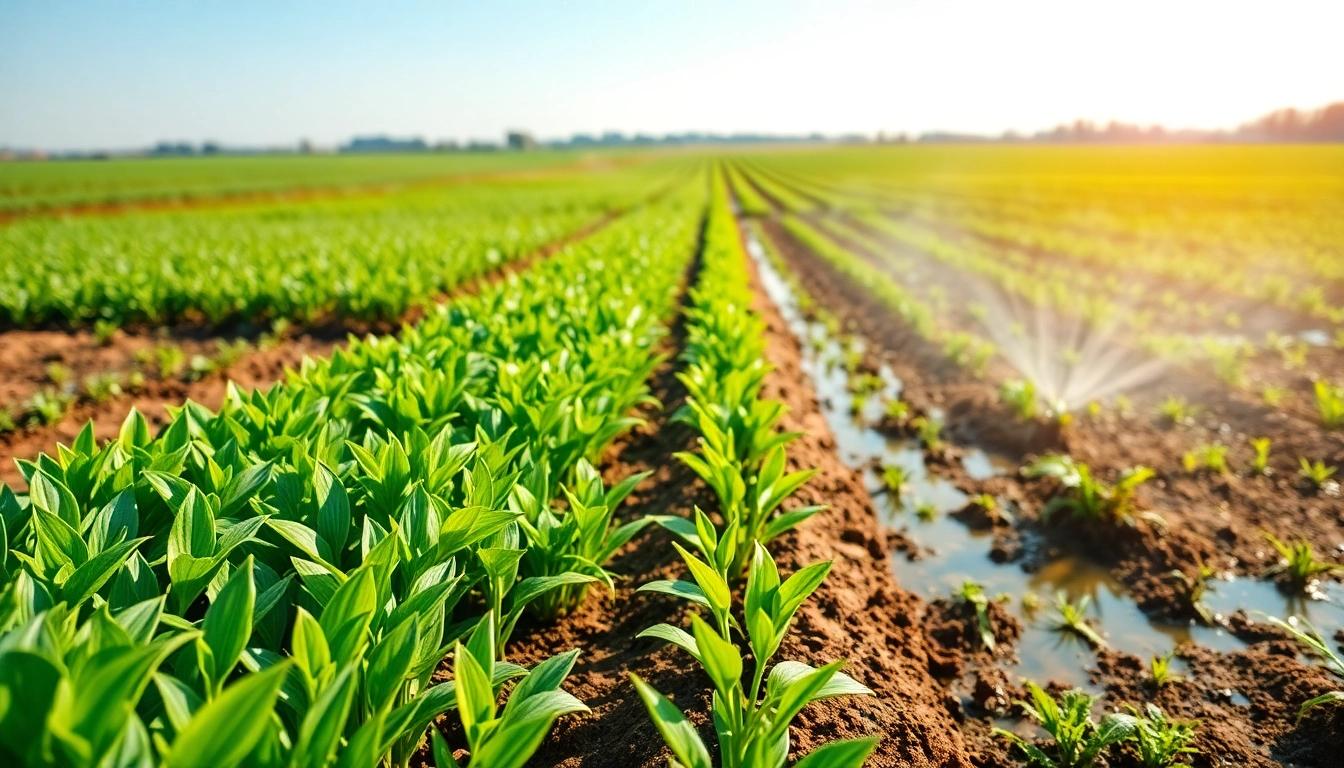
Understanding the Basics of Land Irrigation
What is Land Irrigation?
Land irrigation refers to the artificial application of water to soil or land to assist in the growing of crops and vegetation. This essential agricultural practice makes it possible to cultivate land in regions with insufficient rainfall, thereby increasing agricultural productivity and ensuring food security. It involves numerous techniques and systems, each designed to deliver water effectively and efficiently to crops. Various methods can be used, depending on the type of crop, soil conditions, and water availability.
Importance of Effective Irrigation
Effective irrigation plays a critical role in agricultural production. It not only maximizes crop yields but also optimizes water usage, which is vital in an era of increasing water scarcity. Proper irrigation management helps in reducing soil erosion, enhancing nutrient availability in the soil, and minimizing weed growth. Furthermore, it enables farmers to adapt to changing climatic conditions, ensuring sustainable agricultural practices and promoting long-term benefits to the ecosystem. As such, the significance of land irrigation extends beyond crop production, impacting the overall health of the environment and the economy.
Basic Methods of Irrigation
There are several methods of irrigation that farmers can implement, including surface irrigation, drip irrigation, and sprinkler systems. Each method comes with its own set of advantages and disadvantages depending on factors such as crop type, soil properties, and climate. Understanding these methods is essential for selecting the right irrigation technique that aligns with the specific agricultural needs.
Types of Land Irrigation Systems
Surface Irrigation Techniques
Surface irrigation involves the application of water over the soil surface and allows water to flow through channels created in the field. It can be subdivided into furrow, basin, and flood irrigation. Each type has its own application methods that vary based on land slope, soil type, and crop needs. For example, flood irrigation is often used in flat areas where water can cover a large field, while furrow irrigation is more efficient in sloped areas.
Drip Irrigation Advantages
Drip irrigation is one of the most efficient irrigation methods available, delivering water directly to the plant's root zone through a network of tubing and emitters. This method significantly minimizes water loss due to evaporation and runoff. It allows for precision watering, enabling crops to receive exactly what they need for optimum growth. Moreover, drip irrigation improves fertilizer efficiency by facilitating the application of nutrients directly to the roots, enhancing crop yields and reducing costs.
Sprinkler Systems Overview
Sprinkler systems simulate natural rainfall by distributing water through a network of pipes and sprinklers that spray water onto crops. This method is versatile, suitable for a variety of crops and terrains, and can be effectively used on uneven land and in areas with limited water supply. However, the efficiency of sprinkler systems is heavily influenced by weather conditions, such as wind and evaporation rates, making careful management essential.
Choosing the Right Land Irrigation Method
Factors to Consider in Selection
When selecting an irrigation method, several factors must be considered to ensure that the chosen approach meets the requirements of the crops effectively. These factors include water availability, the layout of the farm, and the specific crop water needs. Additionally, economic considerations, such as installation and maintenance costs, play a significant role in decision-making. Farmers should weigh these aspects to identify the most suitable irrigation system that ensures sustainable agricultural practices.
Regional Climate Influence
The regional climate significantly influences the selection of irrigation methods. In areas experiencing frequent dry spells or prolonged drought conditions, advanced irrigation systems like drip and sprinkler systems would be ideal due to their efficiency in water usage. Conversely, regions with abundant rainfall might suffice with basic surface irrigation methods. Understanding local climate patterns helps farmers to choose methods that not only conserve water but also optimize crop growth based on climatic conditions.
Soil Type and Water Availability
Soil type directly affects water retention and movement. Sandy soils, for example, have low water retention capabilities, making it crucial to adopt irrigation methods that supply water more frequently and in smaller amounts, such as drip irrigation. On the other hand, clay soils retain water longer, allowing for less frequent applications. Coupled with water availability, these factors must be evaluated carefully to sustain crop health and promote efficient water use.
Best Practices for Efficient Land Irrigation
Monitoring Water Usage
Continuous monitoring of water usage is vital for effective irrigation management. Employing tools like soil moisture sensors and irrigation scheduling software can provide real-time insights into soil conditions and plant water needs. By closely tracking these metrics, farmers can reduce water waste and optimize irrigation practices, effectively conserving this precious resource.
Seasonal Adjustments and Planning
Water needs of crops vary with the seasons, necessitating adjustments to irrigation practices. During periods of rapid plant growth, more frequent watering may be needed, while during cooler months, irrigation could be cut back. Planning for seasonal variability allows farmers to optimize water usage without jeopardizing crop productivity, thus ensuring better yields throughout the year.
Integrating Technology in Irrigation
The integration of technology in irrigation is revolutionizing agricultural practices. Automation systems, such as smart irrigation controllers and remote sensing technologies, allow for precise watering based on real-time data. These innovations help in optimizing water use, reducing labor costs, and increasing overall efficiency. Embracing technology in irrigation is becoming essential for modern farmers looking to enhance productivity while ensuring environmental sustainability.
Future Trends in Land Irrigation
Innovative Technologies Revolutionizing Irrigation
The future of land irrigation looks promising with the introduction of innovative technologies. Advancements such as AI-driven irrigation scheduling, soil moisture monitoring systems, and drone-assisted data collection are set to transform traditional practices. These technologies not only enhance efficiency and reduce water usage but also promote sustainability by enabling precision farming tactics that are responsive to real-time environmental conditions.
Environmental Impact and Sustainability
As global water resources become increasingly stressed, the focus on sustainable irrigation practices is paramount. Methods that reduce evaporation, runoff, and groundwater depletion are being prioritized. Sustainable practices not only conserve local ecosystems but also improve long-term agricultural productivity. Farmers are encouraged to adopt strategies that promote both high yields and environmental stewardship, ensuring that land remains fertile for future generations.
Government Policies Influencing Irrigation Practices
Government interventions and policies can significantly influence irrigation practices through regulations, subsidies, and incentives promoting the adoption of efficient technologies. By establishing frameworks that encourage sustainable practices, governments can support farmers in transitioning to more efficient irrigation systems. Understanding these policies is crucial for farmers to strategically implement practices that align with national goals for water sustainability and food security.
Frequently Asked Questions
What is the most efficient irrigation method?
Drip irrigation is often regarded as the most efficient method due to its ability to deliver water directly to the root zone, minimizing waste and evaporation.
How does irrigation affect crop growth?
Irrigation provides the necessary moisture for crops to thrive, thereby increasing yields and improving overall agricultural productivity.
Can irrigation systems be automated?
Yes, many modern irrigation systems can be automated using smart controllers and sensors, which optimize watering schedules based on environmental conditions.
What are the disadvantages of surface irrigation?
Surface irrigation can lead to water wastage due to evaporation and runoff, and it may not be suitable for all soil types, especially those that are sandy or steeply sloped.
Why is water monitoring important in irrigation?
Monitoring water usage helps prevent over-irrigation and conserve water resources, ensuring that crops receive the right amount of moisture for optimal growth.