Mastering the 3D Pergola Configurator for Stunning Outdoor Spaces in 2026
Understanding the Basics of 3D Pergola Configurators
In recent years, the use of 3D technology has transformed many aspects of design and planning, especially in the outdoor living space sector. Among the most innovative tools to emerge is the 3D pergola configurator, designed to simplify and enhance the pergola design process. This tool empowers homeowners, designers, and contractors to visualize their ideas, customize materials, and create stunning outdoor structures that complement their properties. In this article, we will explore the various elements of 3D pergola configurators, discuss their benefits, and navigate the complexities of creating the perfect pergola for any outdoor space.
What is a 3D Pergola Configurator?
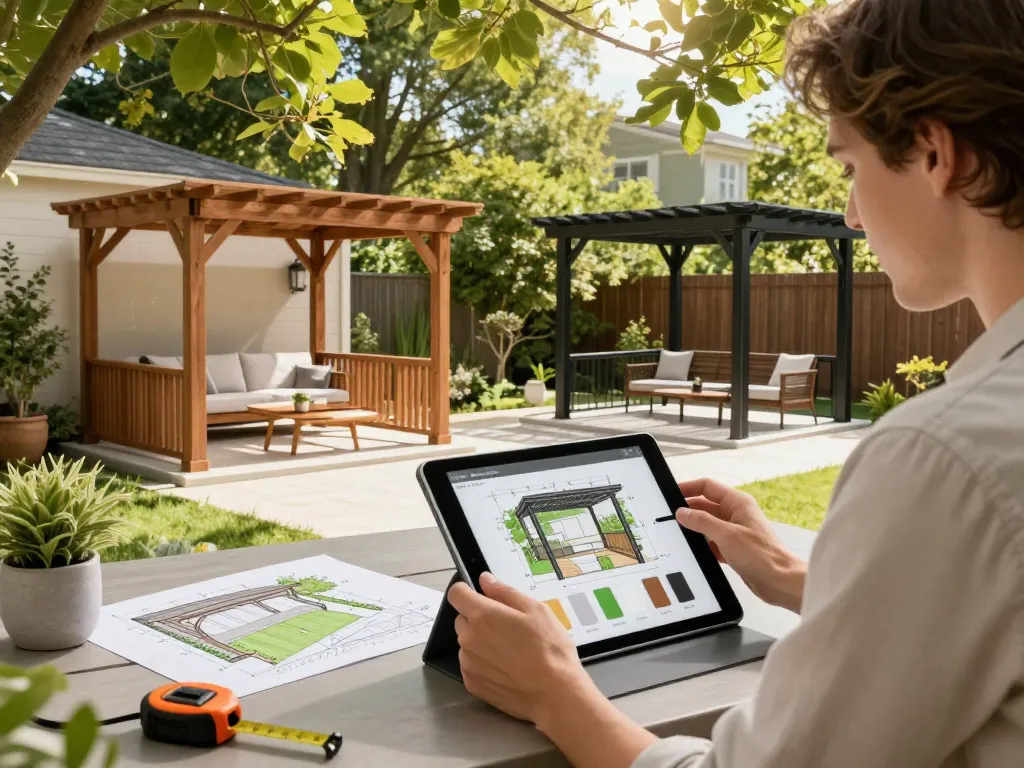
A 3D pergola configurator is an interactive digital tool that allows users to design and customize their pergola in real time. Users can modify parameters such as shape, size, color, and material to visualize how the pergola will look in their specific environment. This technology often includes features like drag-and-drop functionality, allowing users to move elements easily, and detailed rendering, providing a realistic view of the final structure.
Benefits of Using a 3D Configurator for Pergolas
The advantages of using a 3D pergola configurator are numerous:
- Enhanced Visualization: Users can see a realistic simulation of their designs, which helps in making informed decisions.
- Customization: The configurator allows for personalized designs, enabling users to choose from various styles, colors, and materials to match their aesthetic.
- Cost Estimation: Many configurators provide real-time pricing as changes are made, which helps in budgeting accurately.
- Quick Prototyping: Users can experiment with different configurations without the commitment, saving time and resources.
- Easy Sharing: Designs can often be saved and shared with others for feedback, making collaboration simpler.
How 3D Technology Enhances Design Experience
3D technology introduces a level of interactivity and engagement that traditional design methods lack. Instead of relying solely on 2D plans or physical models, users can manipulate their designs from various angles and perspectives. This immersive experience allows homeowners to appreciate dimensions, spacing, and how the pergola integrates with their landscape. Features like augmented reality (AR) can further enhance the experience, allowing users to visualize their design in their actual outdoor space through their smartphones or tablets.
Navigating Different Pergola Styles and Materials
Choosing the right style and material for a pergola is essential for both functionality and aesthetics. With the help of a 3D configurator, users can easily explore various options and find the perfect fit for their home and garden.
Popular Pergola Types: Wood, Aluminum, and More
When considering a pergola, different types come into play, each with its unique appeal:
- Wood Pergolas: Classic and versatile, wood pergolas offer a natural look and can be customized in various designs.
- Aluminum Pergolas: Known for their durability and low maintenance, aluminum options are becoming popular in modern designs.
- Vinyl and Composite Pergolas: These materials mimic the appearance of wood but resist weathering, making them a practical choice.
- Retractable Pergolas: Featuring adjustable roof systems, these are perfect for those who value versatility in how much sunlight or shade they want at any given time.
Choosing Materials Based on Climate and Aesthetics
It is vital to consider the local climate when selecting materials for a pergola. For instance, wood may be beautiful but can warp or decay in humid climates without proper treatment. Aluminum, on the other hand, withstands extreme weather conditions without deteriorating. The aesthetic appeal also factors in; homeowners should choose materials that complement their home’s architecture and their landscaping choices.
Integrating Pergolas into Your Landscape Design
Integrating a pergola into the existing landscape can elevate outdoor spaces. Users should think about factors like location, focal points, and how the pergola will work with plants and pathways. A well-placed pergola can serve as an outdoor living area, enhancing the usability of the garden while providing visual interest.
Step-by-Step Guide to Using a 3D Pergola Configurator
To get the best out of a 3D pergola configurator, following a systematic approach can help users navigate the design process more effectively.
Getting Started: Setting Up the Configurator
Begin by selecting the configurator tool from a reputable source. Most configurators will require selecting the type of pergola to design, be it freestanding or attached. Users should familiarize themselves with the interface and explore the available features.
Designing Your Pergola: Tips and Tricks
When designing, consider the function of your pergola. If it’s intended for entertaining, ensure that the size accommodates furniture. Users should also think about vertical elements like climbing plants or string lights to add to the ambiance. Utilize the configurator’s features to experiment with different materials and styles.
Finalizing Your Design: Reviewing and Modifying Options
Once a design is completed, take the time to review every aspect. Check dimensions, materials, and colors to ensure everything aligns with your vision. Many configurators allow modifications, so don’t hesitate to make adjustments if something doesn’t feel right. When satisfied, consider generating a final report or quote.
Common Challenges in Pergola Design and How to Overcome Them
While designing a pergola can be exciting, various challenges may arise. Understanding how to tackle these can make the process smoother.
Addressing Size and Space Limitations
Space constraints can pose a significant challenge when designing a pergola. Be sure to measure the outdoor area accurately, considering both height and width. Using a 3D configurator can help visualize how the structure will fit within the designated space.
Handling Budget Constraints Effectively
Designing within a budget is crucial for many homeowners. Set a clear expenditure limit before starting the configurator. Use the real-time pricing feature to keep track of costs as design elements are added or changed, ensuring that the project remains financially feasible.
Understanding Building Codes and Regulations
Before finalizing a design, it’s essential to understand any building codes or regulations that apply to your area. Some regions require permits for outdoor structures, and local regulations can dictate height, materials, and placement. Consulting with local authorities or a professional can provide clarity on these requirements.
Future Trends in Outdoor Living and Pergola Design
The outdoor living space is rapidly evolving, and staying ahead of trends can make a significant difference in design choices. Here are some future trends to watch for:
Emerging Technologies in 3D Configurators
As technology advances, expect more sophisticated features in 3D configurators, including better integration of AR and VR. These innovations will allow users to interact with their designs in real time, providing an even more immersive experience.
Sustainable Materials and Eco-Friendly Designs
With environmental concerns on the rise, sustainable design is becoming more important. Future pergolas may integrate recycled materials or sustainable wood, combining functionality with eco-friendliness.
Predictions for Outdoor Living Spaces in 2026
Looking ahead, outdoor living spaces will increasingly mirror indoor comforts. Expect features like smart technology integration for lighting and climate control, along with more multifunctional outdoor furniture. Pergolas will evolve to include integrated shade systems and outdoor kitchens, enriching the user’s outdoor experience.
What features should I look for in a 3D pergola configurator?
When choosing a configurator, look for user-friendly interfaces, comprehensive customization options, and real-time visualization features. A good configurator should also provide pricing estimates as you design, allowing for effective budgeting.
Can I visualize my design in real-time?
Most modern 3D configurators offer real-time visualization, enabling users to see changes as they occur. This feature enhances the decision-making process, ensuring that the final design meets expectations.
What are the best materials for building a pergola?
The best materials depend on personal preference and local climate. Wood is excellent for a classic look, while aluminum offers durability and minimal maintenance. Consider the aesthetic and functional needs of your outdoor space when making this choice.
How do I maintain my pergola after installation?
Regular maintenance is essential to prolong the life of a pergola. For wood structures, staining or sealing may be necessary to protect against rot and weathering. Aluminum options typically require less maintenance, but periodic cleaning can help maintain their appearance.
Are there any apps for mobile 3D pergola design?
Many configurators are now available as mobile applications, allowing users to design on the go. These apps often include similar features as their desktop counterparts, making designing convenient and accessible.