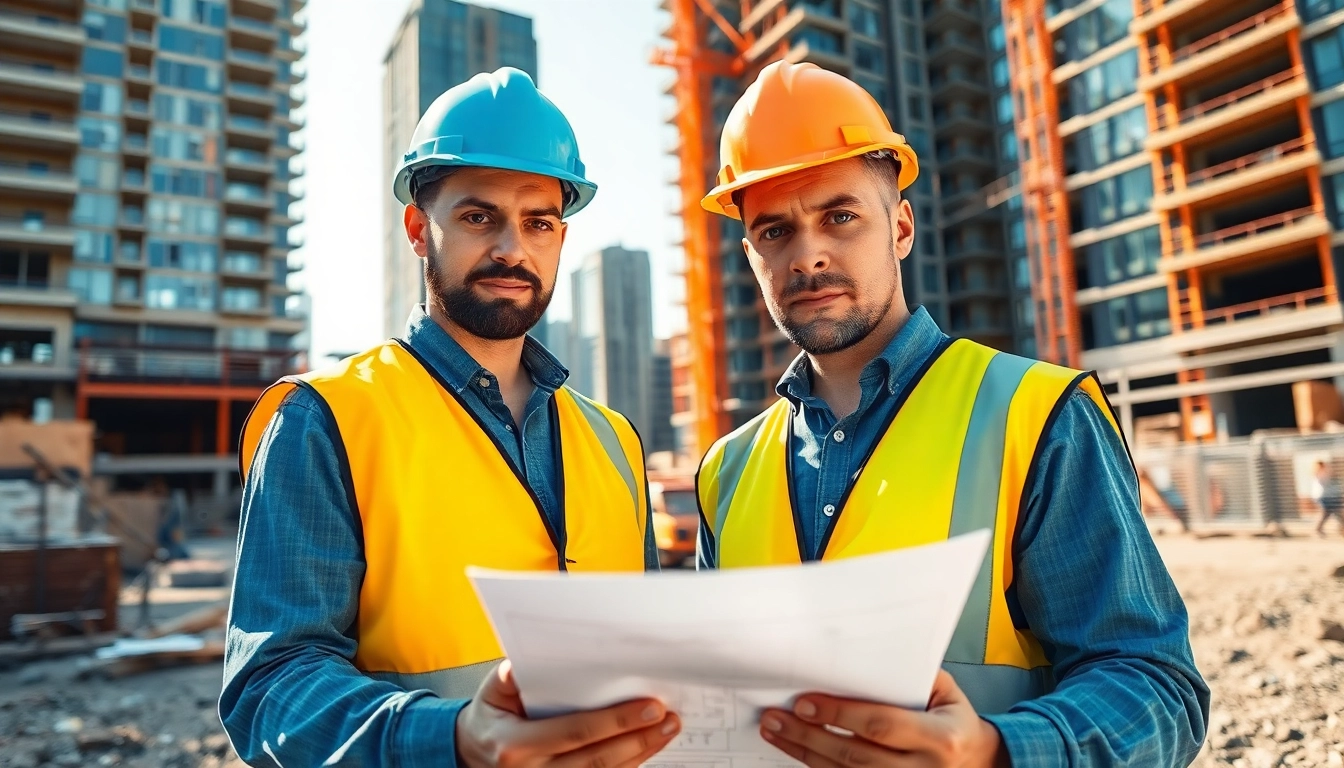
Understanding the Role of a Commercial Building Developer
In the world of real estate, the role of a commercial building developer is multifaceted and crucial for the successful execution of development projects. The responsibilities encompass various phases of property development, from the initial site selection to the final stages of sales or leasing. Understanding this role is vital for anyone interested in pursuing a career in commercial real estate.
Definition and Responsibilities of a Commercial Building Developer
A commercial building developer is an individual or company that undertakes the development of commercial properties such as office buildings, retail spaces, and mixed-use developments. This role involves overseeing numerous aspects including:
- Site Selection: Choosing an appropriate location based on zoning laws, market demand, and accessibility.
- Financing: Securing funds through investors, loans, or other financial avenues to support the construction and development process.
- Design and Planning: Collaborating with architects and planners to develop blueprints and project specifications that align with both aesthetic and functional goals.
- Construction Management: Supervising the construction phase to ensure compliance with local codes and regulations while maintaining budgetary constraints and timelines.
- Sales and Marketing: After completion, developers may engage in marketing the property to potential tenants or buyers to generate revenue.
The Importance of Project Management in Development
Project management is a critical aspect of the role of a commercial building developer. Effective project management involves:
- Resource Allocation: Ensuring that financial, human, and material resources are effectively utilized throughout the project lifecycle.
- Timeline Management: Keeping the project on schedule amidst potential delays and setbacks.
- Quality Control: Overseeing construction to ensure materials and workmanship meet quality standards.
Successful project management can significantly impact the profitability and viability of a development project, making it a focal point for developers.
Key Skills Required for Commercial Building Developers
To thrive as a commercial building developer, individuals should cultivate a range of skills, including:
- Analytical Skills: The ability to assess market trends, property values, and potential risks.
- Financial Acumen: A strong understanding of budgeting, capital allocation, and investment strategies.
- Networking: Developing connections with key stakeholders such as investors, contractors, and city planners.
- Leadership: Strong leadership skills are necessary to guide teams through the complexities of development projects and resolve conflicts efficiently.
- Project Management Proficiency: Familiarity with project management frameworks and tools to ensure timely and successful project delivery.
Steps to Become a Successful Commercial Building Developer
Embarking on a career as a commercial building developer requires a strategic approach and dedication. Below are essential steps on this journey.
Educational Pathways and Certifications
A solid educational foundation is crucial for aspiring developers. Most commercial building developers hold degrees in fields such as:
- Business Administration: Provides a broad understanding of business operations, finance, and management.
- Real Estate Development: Specific training focused on the various aspects of property development.
- Civil Engineering or Architecture: A background in these areas can enhance a developer’s understanding of design and construction processes.
Additionally, acquiring relevant certifications, such as those offered by the Urban Land Institute or the National Association of Realtors, can enhance your professional credibility and networking opportunities.
Gaining Experience in the Real Estate Industry
Experience is invaluable in the real estate sector. New developers should seek practical roles that align with their career goals, including:
- Internships: Participating in internships or apprenticeships with established development firms can provide hands-on experience.
- Entry-Level Positions: Starting in roles like project coordinator, real estate analyst, or property manager can serve as stepping stones to development roles.
- Mentorship: Connecting with seasoned professionals can offer insights and guidance on navigating the complexities of the industry.
Building a Professional Network for Development
A robust professional network is crucial for a successful career as a commercial building developer. Building connections can facilitate access to resources, investment opportunities, and partnerships. Consider the following approaches:
- Industry Events: Attend conferences, workshops, and networking events related to real estate and development.
- Utilizing Social Media: Platforms like LinkedIn can be effective for connecting with industry peers and sharing knowledge.
- Joining Professional Associations: Become a member of organizations that provide networking opportunities and educational resources.
Challenges Faced by Commercial Building Developers
The path to becoming a successful commercial building developer is fraught with challenges that can impact project outcome and sustainability.
Regulatory and Zoning Issues
Developers often encounter a range of regulatory and zoning challenges. Navigating these requirements is essential for ensuring lawful development. Common hurdles include:
- Zoning Compliance: Understanding local zoning laws is critical to avoid costly project changes or delays.
- Permitting Process: Securing necessary permits can be time-consuming, often requiring thorough documentation and processing times.
- Environmental Regulations: Compliance with environmental laws can impact project design and timelines — developers need to ensure ecological considerations are met.
Financial Risks and Funding Challenges
Financial risks are inherent in commercial building development. Developers must be prepared to address various funding challenges, including:
- Market Volatility: Changes in economic conditions can affect funding availability and project viability.
- Cost Overruns: Unanticipated expenses during construction can strain budgets, necessitating contingency planning.
- Investor Relations: Maintaining strong communication with investors is vital to uphold funding commitments and project trust.
Project Timeline Delays
Delays are common in commercial building projects and can emerge from various factors, such as:
- Weather Conditions: Adverse weather can halt construction progress, leading to extended timelines.
- Labor Shortages: Difficulty in obtaining skilled labor can lead to project slowdowns.
- Material Shortages: Supply chain disruptions may delay procurement, impacting the overall project schedule.
Best Practices in Commercial Building Development
Adopting best practices can enhance the effectiveness and success of commercial building projects. Developers can utilize the following strategies:
Creating an Effective Project Plan
A clear and comprehensive project plan serves as a roadmap for all stakeholders involved in the development. Key components include:
- Defining Scope: Clearly outline the project objectives, deliverables, and expectations.
- Budget Planning: Establish a detailed budget that identifies costs, required resources, and funding sources.
- Timeline Development: Set realistic milestones and deadlines to track progress and maintain accountability.
Collaborating with Architects and Contractors
Effective collaboration with architects and contractors can streamline the development process. Strategies for successful partnerships include:
- Regular Communication: Maintain open lines of communication to discuss progress and challenges in real-time.
- Defining Roles: Clearly outline responsibilities to ensure accountability and efficiency across teams.
- Incorporating Feedback: Regularly solicit and integrate feedback from key stakeholders to enhance project outcomes.
Implementing Sustainable Development Practices
With an increasing emphasis on environmental responsibility, incorporating sustainability into development projects is paramount. Developers should consider:
- Green Building Practices: Utilize materials and strategies that minimize environmental impact, such as energy-efficient systems and sustainable materials.
- Long-Term Viability: Design projects with durability and maintenance in mind, which can lead to lower lifecycle costs.
- Community Engagement: Engage with local communities to ensure developments meet their needs and foster goodwill.
Future Trends in Commercial Building Development
The landscape of commercial building development is continually evolving. Keeping an eye on emerging trends can position developers for success.
The Impact of Technology on Development Projects
Technology is profoundly shaping the development process through advancements such as:
- Building Information Modeling (BIM): Tools that improve project visualization and coordination among teams.
- Drones: Utilized for site surveying and monitoring construction progress from a new perspective.
- Smart Building Technologies: The integration of HVAC, lighting, and security systems enhances building efficiency and appeal to tenants.
Shifting Market Demands in Real Estate
Market demands are evolving, reflecting changes in consumer preferences and business needs. Developers should be aware of:
- Flexible Spaces: The demand for adaptable commercial spaces that can accommodate varying business needs is increasing.
- Remote Work Trends: As remote work becomes norm, developers need to rethink office design and functionality.
- Mixed-Use Developments: Integrating residential, retail, and office spaces is increasingly popular for creating vibrant, community-focused environments.
Opportunities for Growth in Emerging Markets
Emerging markets present new opportunities for commercial building developers. Key considerations include:
- Diverse Economic Growth: Identify regions where economic growth is robust and infrastructure is improving.
- Urbanization Trends: As populations shift toward urban centers, there will be increased demand for commercial developments in these areas.
- Public-Private Partnerships: Collaborating with governments can facilitate financial support and reduce project risks.
Frequently Asked Questions
What is the main role of a commercial building developer?
A commercial building developer directs the entire process of property development including site selection, financing, planning, construction, and leasing or selling the property upon completion.
What qualifications do I need to become a commercial building developer?
While diverse educational backgrounds are beneficial, most commercial building developers have degrees in business, real estate, civil engineering, or architecture, along with relevant certifications and experience in the field.
What are common challenges in commercial building development?
Common challenges include navigating regulatory requirements, dealing with financial risks, project delays, and managing stakeholder expectations throughout the development lifecycle.
How can I ensure project sustainability?
To ensure sustainability, developers should implement eco-friendly practices such as energy-efficient designs, sustainable materials, and community-focused planning to meet environmental and social needs.
What are emerging trends shaping the commercial building industry?
Emerging trends include increased use of technology such as BIM and smart systems, the demand for flexible office spaces, mixed-use developments, and growth in emerging markets attracted by urbanization.