
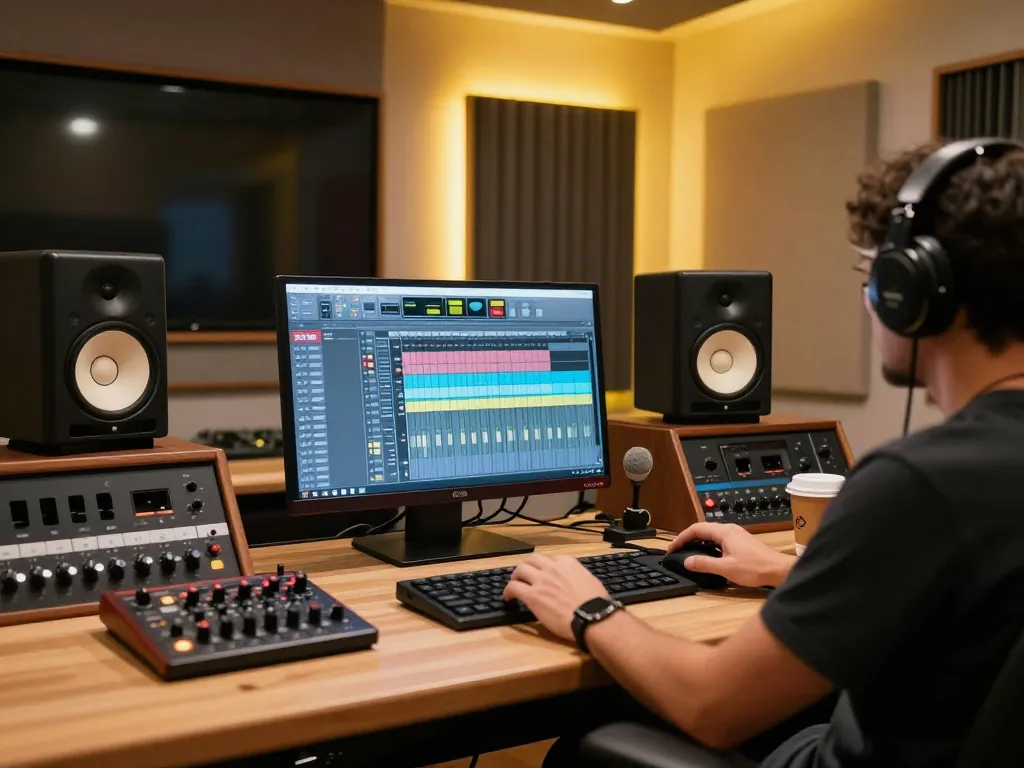
Understanding the SC88 Sound Module
The SC88, a renowned sound module developed by Roland, has established itself as a staple in the music production community since its release in 1994. This versatile unit not only serves as a reliable MIDI sound generator but also offers a unique blend of traditional and modern sound design capabilities, making it highly sought after by musicians, producers, and audio engineers alike. As we venture into 2026, the importance of understanding the SC88 in the context of contemporary music production cannot be overstated. When exploring options, SC88 provides comprehensive insights into its functionalities and applications.
What is the SC88?
The SC88 is a General MIDI sound module that plays a pivotal role in digital audio workstations (DAWs) and live performance settings. It operates as a multitimbral device, allowing for simultaneous playback of multiple sounds, which is crucial for layering tracks and producing rich audio textures. The device is equipped with 64 voices of polyphony and can hold vast libraries of sounds, offering users an expansive palette for music creation.
Key Features of the SC88
One of the standout features of the SC88 is its sound quality. It includes over 600 high-quality sounds and 24 drum kits, covering a wide range of musical genres. The SC88 also supports effects processing, with options for reverb, chorus, and other modulation effects, enhancing the overall quality of the output. This model is compatible with both MIDI and General MIDI System (GM/GS), making it a versatile choice for modern music producers.
- 64 Voices of Polyphony: Provides ample capacity for complex arrangements.
- Over 600 Built-in Sounds: A diverse library suitable for various musical styles.
- MIDI Compatibility: Works seamlessly with most DAWs and MIDI devices.
- Custom Sound Mapping: Allows for personalized sound design to fit creative needs.
How the SC88 Fits into Modern Music Production
As technology continues to evolve, the SC88 remains relevant in modern music production environments. Its ability to integrate with DAWs offers producers an efficient workflow that enhances creativity. Furthermore, the legacy of the SC88 is reflected in its continuing use in both studio recordings and live performances, where its reliable sound generation remains invaluable.
Setting Up Your SC88 for Optimal Performance
Installation and Configuration Steps
Setting up the SC88 requires a few straightforward steps. Begin by connecting the device to your computer or MIDI interface using MIDI cables. Ensure that the SC88 is powered on and configured to receive MIDI signals from your preferred DAW. Users should consult the manual for specific setup configurations to maximize the SC88's capabilities.
Integrating SC88 with Your DAW
When integrating the SC88 with a DAW, installing any necessary drivers is essential. Once configured, you can create a new MIDI track and select the SC88 as your output source. This allows you to harness the full range of sounds and effects from the module, enabling you to compose more intricate pieces with ease.
Essential MIDI Settings for the SC88
Proper MIDI settings are crucial for optimal performance. Adjusting the MIDI channel settings on the SC88 to match those in your DAW is a fundamental step. Additionally, understanding how to utilize Common MIDI Control Change messages will significantly enhance your music production experience, allowing for real-time sound adjustments during performance.
Exploring Creative Sound Design with the SC88
Using Presets Effectively
The SC88 comes loaded with numerous presets that can ignite your creativity. Experimenting with these presets is a great way to get a feel for the module's capabilities. By layering presets and tweaking parameters, you can create unique sounds tailored to your specific projects.
Designing Custom Sounds with the SC88
Beyond presets, the SC88 facilitates custom sound design. By utilizing the onboard sound editing features, users can manipulate waveforms, apply effects, and design sounds that fit their unique musical vision. This process often involves a combination of subtractive synthesis and sampled sounds, yielding distinctive results.
Layering Techniques for Enhanced Audio
Layering multiple sounds within the SC88 can lead to rich and complex soundscapes. By carefully selecting complementary sounds and adjusting their volumes and effects, musicians can create depth in their tracks. Techniques such as stacking strings with pads or creating rhythmic basslines with melodic leads can significantly enhance the audio experience.
Common Challenges with the SC88 and Solutions
Identifying Common Technical Issues
While the SC88 is a robust sound module, it is not without its challenges. Common issues include MIDI connectivity problems, sound output discrepancies, and software compatibility challenges. Understanding these potential pitfalls can help users resolve issues swiftly, ensuring a smooth production workflow.
Effective Troubleshooting Strategies
When faced with technical issues, a systematic troubleshooting approach is beneficial. Start by verifying physical connections, checking MIDI configurations, and ensuring that your DAW recognizes the SC88. Most problems can be solved by resetting the device or reviewing the settings in both the SC88 and your DAW.
Community Resources and Support for SC88 Users
The SC88 has a vibrant community of users and enthusiasts who share tips, patches, and troubleshooting advice. Online forums, social media groups, and dedicated websites provide invaluable resources for both novice and experienced users, creating a supportive ecosystem for sound design and production.
The Future of Music Production: Trends Involving the SC88
Technological Advancements and Their Impact
As we move further into 2026, advancements in technology will continue to shape the music production landscape. Integrating the SC88 with newer technologies such as virtual instruments and advanced MIDI controllers will open new avenues for creativity. Keeping abreast of these developments will be essential for music producers looking to remain competitive.
Emerging Sound Design Trends for 2026
Sound design trends are evolving, with an increasing focus on immersive audio experiences. Techniques like spatial audio and the use of generative sound algorithms are becoming more prevalent, and the SC88 can play a role in this shift by providing high-quality sounds that can be manipulated in innovative ways.
Predictions for the Next Generation of Sound Modules
Future sound modules will likely continue the trend of integration with software-based tools, offering enhanced editing capabilities and sound libraries. The SC88 serves as a foundational example of how hardware can complement software, a combination that will be central to the development of next-generation sound modules.
What are the Top Uses of the SC88?
- Studio Production: The SC88's sound quality makes it ideal for recording sessions.
- Live Performance: Its reliability and ease of use make it a favorite among performing artists.
- MIDI Composition: The SC88 excels in creating layered compositions with its extensive sound library.
How to Leverage SC88 for Live Performances?
To leverage the SC88 in live settings, musicians should practice using its functionalities in a performance context. Configuring the SC88 for easy access to sounds and effects can enhance live shows, allowing for spontaneous creativity during performances.
Best Practices for Recording with the SC88?
When recording with the SC88, using high-quality audio interfaces will improve sound fidelity. Additionally, keeping your software and SC88 firmware updated ensures optimal performance and compatibility, enabling a seamless workflow.