Understanding Structural Steel Fabrication
What is Structural Steel Fabrication?
Structural steel fabrication is the process of shaping and assembling steel structures to create a wide array of architectural and engineering designs. This critical process takes raw steel materials and transforms them into components that are ready to be incorporated into buildings, bridges, and various infrastructures. The art of structural steel fabrication is rooted in precision and accuracy, allowing for the production of various elements such as beams, columns, and trusses. To fully grasp the significance of structural steel fabrication, one should consider how steel has become a foundational material in modern construction. Known for its strength-to-weight ratio and durability, steel is an ideal choice for structures that require both versatility and robust performance. The fabrication processes that convert steel into usable components often involve cutting, bending, and welding, ensuring that each piece meets stringent engineering specifications. By opting for structural steel fabrication, builders and architects can leverage the material's intrinsic properties to deliver projects that withstand the test of time while providing aesthetic appeal.
Key Processes in Structural Steel Fabrication
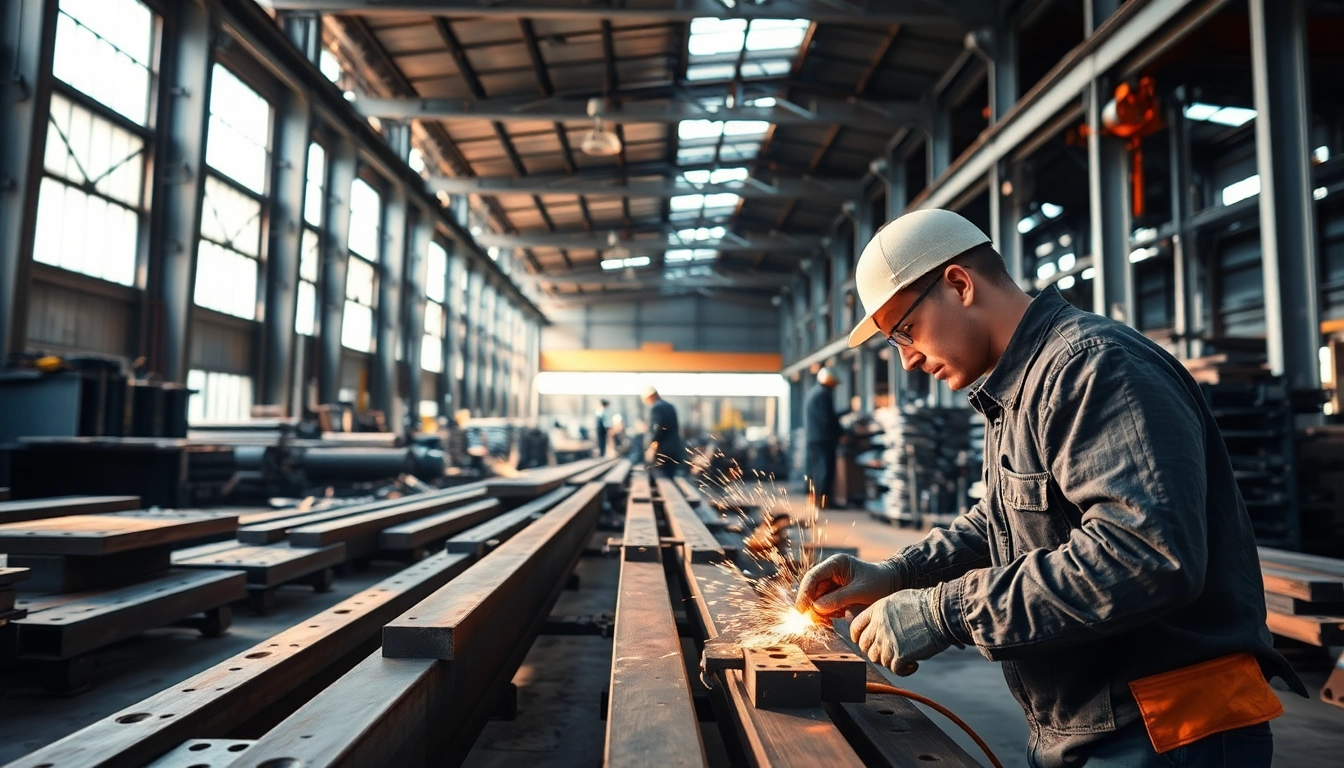
The journey of structural steel fabrication consists of several key processes, each playing a crucial role in the overall production quality and efficiency: 1. Cutting: Raw steel is initially cut into manageable sizes and shapes. This cutting can be performed using various methods, including plasma cutting, flame cutting, or saw cutting, depending on the type and thickness of the steel. 2. Bending: For certain designs, bending is required to achieve the desired shapes. Hydraulic or mechanical press brakes are often used to carefully bend steel sections to specific angles without compromising their integrity. 3. Welding: One of the most critical components of structural steel fabrication is joining different pieces together. Skilled welders employ diverse techniques—such as MIG, TIG, or arc welding—to ensure strong, lasting bonds. 4. Assembly: After individual pieces are fabricated, they are assembled into larger structural elements, like frames or modules. This step requires strict adherence to design specifications to ensure accuracy in dimensions and weight distribution. 5. Finishing: Finally, the surfaces are often treated or coated to enhance durability and resistance to corrosion. This can include galvanization or the application of protective paints, ensuring longevity in various environmental conditions.
Benefits of Structural Steel Fabrication
The advantages of structural steel fabrication are numerous and evident in various aspects of construction and engineering: - Strength and Durability: Steel is inherently strong and can withstand considerable weight and stress, making it an ideal choice for large-scale structures. - Design Flexibility: The adaptability of steel allows for a diverse range of architectural designs, facilitating creative expressions and structural innovations. - Speed of Construction: Fabricated steel components can be produced off-site and readily assembled on-site, significantly shortening construction timelines. - Sustainability: Steel can be recycled without losing its structural integrity, making it a more sustainable option compared to wood or concrete. - Cost-Effectiveness: Although the initial investment in structural steel fabrication may be higher than other materials, the long-term savings on maintenance and energy efficiency can offset these upfront costs.
Essential Tools and Equipment for Structural Steel Fabrication
Types of Tools Used
The right set of tools is essential for effective structural steel fabrication. Here are some fundamental tools commonly utilized: - Cutting Tools: Various technologies are used for cutting steel, such as plasma cutters, band saws, and oxy-fuel torches. Each tool offers unique advantages depending on the thickness and type of metal. - Bending Equipment: This includes hydraulic press brakes and roll benders, which are employed to shape steel pieces accurately. - Welding Equipment: Skilled welders use a variety of machines, including MIG and TIG welders, ensuring optimal joining of steel components. - Measuring and Layout Tools: Accurate measurement is critical in fabrication. Tools such as laser levels, tape measures, and calipers help ensure precision during the fabrication process. - Safety Equipment: Personal protective equipment (PPE) is crucial for worker safety, including helmets, gloves, and goggles to protect against hazards associated with welding and cutting.
Innovations in Fabrication Equipment
Innovation plays a pivotal role in enhancing the capabilities and efficiency of structural steel fabrication. Recent advancements include: - Automated Machinery: CNC (Computer Numerical Control) machines have revolutionized cutting and shaping processes through automated precision, reducing human error and increasing throughput. - 3D Printing: While still in its early stages for large-scale applications, 3D printing technology is being explored for creating smaller structural steel components with intricate designs. - Robotic Welding: Integrating robotics into welding processes enhances speed and consistency, enabling manufacturers to produce high-quality welds while minimizing labor costs. - Digital Fabrication: Software tools that assist with design, simulation, and production planning allow for better workflow and resource management throughout the fabrication process.
Maintenance and Safety Practices
The effective maintenance of tools and equipment is crucial for optimal performance in structural steel fabrication. Regular inspections should be carried out to assess wear and tear, ensuring that all pieces function correctly. Safety practices should include: - Routine Training: Implementing ongoing training for employees to keep them updated on the latest safety protocols and equipment handling. - Regular Inspections: Conducting checks on electrical systems, cutting, and welding equipment to ensure a safe working environment. - Personal Protective Equipment: Enforcing the use of PPE consistently to protect workers from workplace hazards.
Planning Your Structural Steel Fabrication Project
Identifying Project Requirements
Successful planning begins with identifying the specific requirements of the fabrication project. This includes understanding: - Project Scope: What is the scale and complexity of the project? Defining the scope will help guide the selection of the materials and processes needed. - End Use: Knowing how the fabricated steel will be used informs design specifications, load-bearing capacities, and financial considerations. - Regulatory Compliance: Familiarize yourself with local building codes and environmental regulations to ensure compliance throughout the project.
Budgeting for Fabrication Costs
When budgeting for structural steel fabrication, it's essential to consider the following factors: - Material Costs: Analyze current steel prices and expected fluctuations in the market, as this can significantly impact project costs. - Labor Costs: Skilled labor is essential for welding and assembly, so include estimates for labor based on the project's time and complexity. - Machinery and Equipment Costs: Account for both the acquisition and maintenance of fabrication equipment, factoring in any necessary technology upgrades. - Overhead Costs: Don't overlook indirect costs associated with the project, including utilities, rent, and administrative expenses.
Effective Scheduling Techniques
Efficient scheduling is critical to maintaining a smooth workflow in structural steel fabrication. Implement these strategies: - Project Timeline: Develop a clear timeline that outlines each phase of the fabrication process, from material acquisition to final assembly. - Resource Allocation: Ensure that the right resources, including skilled labor and equipment, are available when needed to avoid delays. - Regular Checkpoints: Establish regular progress reviews to monitor the project against the timeline, allowing for adjustments as necessary.
Quality Control in Structural Steel Fabrication
Importance of Quality Assurance
Quality assurance is paramount in structural steel fabrication, as the integrity of the final product directly impacts safety and performance. Implementing systematic quality control measures helps to ensure: - Consistency: Consistent quality during the fabrication process builds trust in the materials being used and the structures being built. - Regulatory Compliance: Quality assurance promotes adherence to safety and building regulations, preventing costly reworks or project delays. - Customer Satisfaction: Maintaining high quality cultivates a reputation for reliability, ultimately contributing to customer satisfaction and repeat business.
Inspection Techniques and Procedures
Quality control inspections should be implemented at various stages of the structural steel fabrication process, including: 1. Material Inspection: Verifying the quality of raw steel at the outset ensures that any defects are caught early in the production cycle. 2. Weld Inspections: Employing non-destructive testing methods, such as ultrasonic or radiographic testing, to assess weld quality and integrity. 3. Final Assembly Checks: Conducting inspections during final assembly to ensure that all components align with the design specifications and structural requirements.
Common Challenges in Quality Control
Structural steel fabrication often encounters challenges related to maintaining quality, including: - Inconsistent Material Quality: Variability in raw materials can affect the final product. It's crucial to source steel from reputable suppliers with documented quality assurance practices. - Operator Skill Level: Variability in worker skill can lead to inconsistencies in fabrication. Continuous training and certification programs can help standardize skills across the workforce. - Equipment Calibration: Regular maintenance and calibration of machinery are needed to ensure optimal performance and accuracy in production.
Future Trends in Structural Steel Fabrication
Technological Advancements in Fabrication
The future of structural steel fabrication is likely to be characterized by continued innovation, including: - Automation: The increasing adoption of automation will streamline processes and further reduce labor costs while enhancing accuracy. - AI and Machine Learning: Leveraging AI in the design phase can provide insights into optimized fabrication techniques, reducing waste and improving efficiency. - Data Analytics: Utilizing data analytics for performance monitoring can pinpoint inefficiencies in the fabrication process, providing opportunities for continuous improvement.
Sustainable Practices in Steel Fabrication
As environmental concerns grow, the steel fabrication industry is moving towards more sustainable practices: - Energy Efficiency: Exploring energy-efficient machinery and processes can significantly reduce the carbon footprint of fabrication operations. - Recycling Initiatives: Both during and after production, implementing robust recycling programs for scrap steel and other materials helps to minimize waste. - Eco-Friendly Finishes: Utilizing environmentally friendly coatings or finishes furthers the commitment to sustainability in structural steel fabrication projects.
Global Market Trends and Predictions
The structural steel fabrication market is expected to evolve based on several global trends: - Urbanization: As urban populations expand, the demand for innovative, cost-effective building solutions will drive forward the need for robust structural steel fabrication. - Emerging Markets: Growth in developing regions presents new opportunities for structural steel fabrication, driven by increasing infrastructure needs. - Focus on Resilience: Future projects will increasingly emphasize resilience against climate change and natural disasters, influencing design and fabrication processes.