
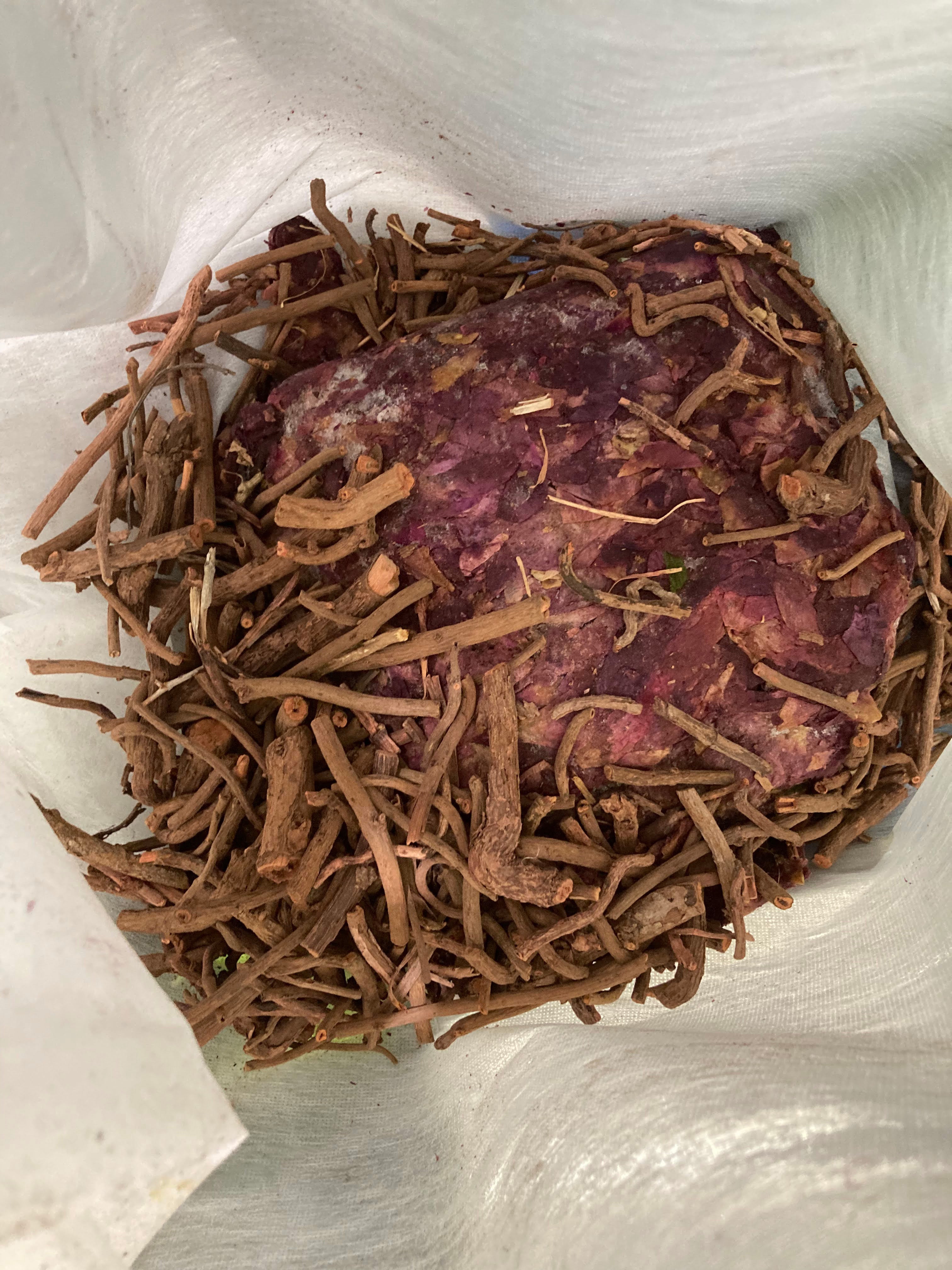
Working with plant-based colors is experiencing a revival, and few natural dye materials are as celebrated for their depth and richness as Mimosa hostilis root bark. Valued by artisans for its dependable results and vibrant tones, this botanical dye source offers both beauty and sustainability. Whether you’re new to natural dyeing or expanding your skills, learning to work with Mimosa hostilis root bark opens the door to a world of earthy purples, deep reds, and warm browns.
Choosing the Right Material
Selecting high-quality Mimosa hostilis root bark is the foundation of successful dyeing. Look for clean, finely shredded pieces with a strong natural aroma and a consistent reddish-brown color. Well-harvested Mimosa hostilis root bark contains dense tannins and pigments that create more concentrated dye baths, which means you need less material to achieve strong color.
Preparing the Fibers
Before you start dyeing, proper preparation ensures your fibers absorb color evenly. While you can dye many natural fibers, wool, silk, and cotton respond exceptionally well to Mimosa hostilis root bark. Begin by thoroughly washing your fabrics to remove oils and residues. Because Mimosa hostilis root bark is naturally high in tannins, plant fibers like cotton gain extra colorfastness without heavy pre-mordanting, though a mild alum treatment can improve results.
For protein fibers like wool and silk, a gentle mordant bath helps the dye attach even more vibrantly. Preparing your materials with care ensures the deep shades from Mimosa hostilis root bark bind properly and last.
Extracting the Color
To unlock the full pigment potential of Mimosa hostilis root bark, simmer it slowly in water for at least an hour. The bark releases a rich, ruby-to-burgundy hue that intensifies the longer it steeps. Some artisans prefer soaking Mimosa hostilis root bark overnight before heating, creating an even stronger dye bath.
After simmering, strain out all bark fibers to avoid uneven patches on your fabric. A smooth, well-filtered liquid helps ensure consistent, saturated color when you introduce your fibers. Many dyers reuse the same bath multiple times, as Mimosa hostilis root bark continues releasing pigments even after extended heating.
Dyeing Techniques for Rich Results
When your dye bath is ready, slowly lower pre-soaked fibers into the warm liquid. Keeping the temperature steady is essential—boiling can damage delicate fibers and alter the tone of Mimosa hostilis root bark dyes. Stir gently throughout the process to encourage even absorption.
Longer immersion times produce darker tones. Some artisans leave fibers in the Mimosa hostilis root bark bath for several hours or even overnight. Layering techniques, such as dipping your fabric multiple times, can create complex, multi-dimensional colors. Whether you’re working with yarn, fabric, or small textile samples, Mimosa hostilis root bark offers exceptional control over depth and intensity.
Achieving Deep, Vibrant Shades
If you want bold, dramatic colors, using a higher ratio of Mimosa hostilis root bark to fiber is key. Doubling the amount can produce near-black tones, especially on wool. For purples and reddish hues, adjust your mordant or experiment with iron modifiers after dyeing. The natural tannins in Mimosa hostilis root bark respond beautifully to these traditional adjustments, giving you a wide tonal range from a single source.
Test swatches are extremely helpful. Because Mimosa hostilis root bark interacts uniquely with each fiber type, small trials allow you to fine-tune shade, intensity, and finishing techniques.
Sustainable Benefits of Plant-Based Dyeing
One of the main reasons artisans choose Mimosa hostilis root bark is its eco-friendly profile. As a renewable plant material, it supports low-impact textile practices. The leftover dye bath can often be reused for lighter shades, and the exhausted liquid breaks down naturally. Choosing Mimosa hostilis root bark supports a circular, environmentally conscious approach to textile creation.
Additionally, the longevity of the dyes means fewer re-dyeing cycles, reducing water and energy usage over time. For crafters committed to greener methods, Mimosa hostilis root bark aligns beautifully with sustainable values.
Troubleshooting Common Issues
Sometimes results vary, especially when experimenting. If your color appears dull, ensure your material was washed thoroughly before dyeing and that your Mimosa hostilis root bark bath was strong enough. Uneven tones often come from overcrowded pots—give fabrics space to move freely.
If the shade is too light, return the fiber to a fresh Mimosa hostilis root bark bath or try extending the heating time. Because natural dyes are influenced by water quality, test your local water with small samples. Mineral-rich water can shift the hue slightly, but Mimosa hostilis root bark is forgiving and usually adapts well with minor adjustments.
Conclusion
Exploring natural dyeing with Mimosa hostilis root bark is not only creatively rewarding but also deeply connected to sustainable craft traditions. Its versatility, strong pigmentation, and eco-friendly qualities make Mimosa hostilis root bark an ideal choice for artisans looking to achieve vibrant and lasting colors. By understanding preparation, extraction, and application techniques, you can confidently create beautifully dyed textiles that reflect the richness of nature. Let Mimosa hostilis root bark inspire your next dye project and bring natural artistry into every fiber you color.