Understanding Office Furniture Types
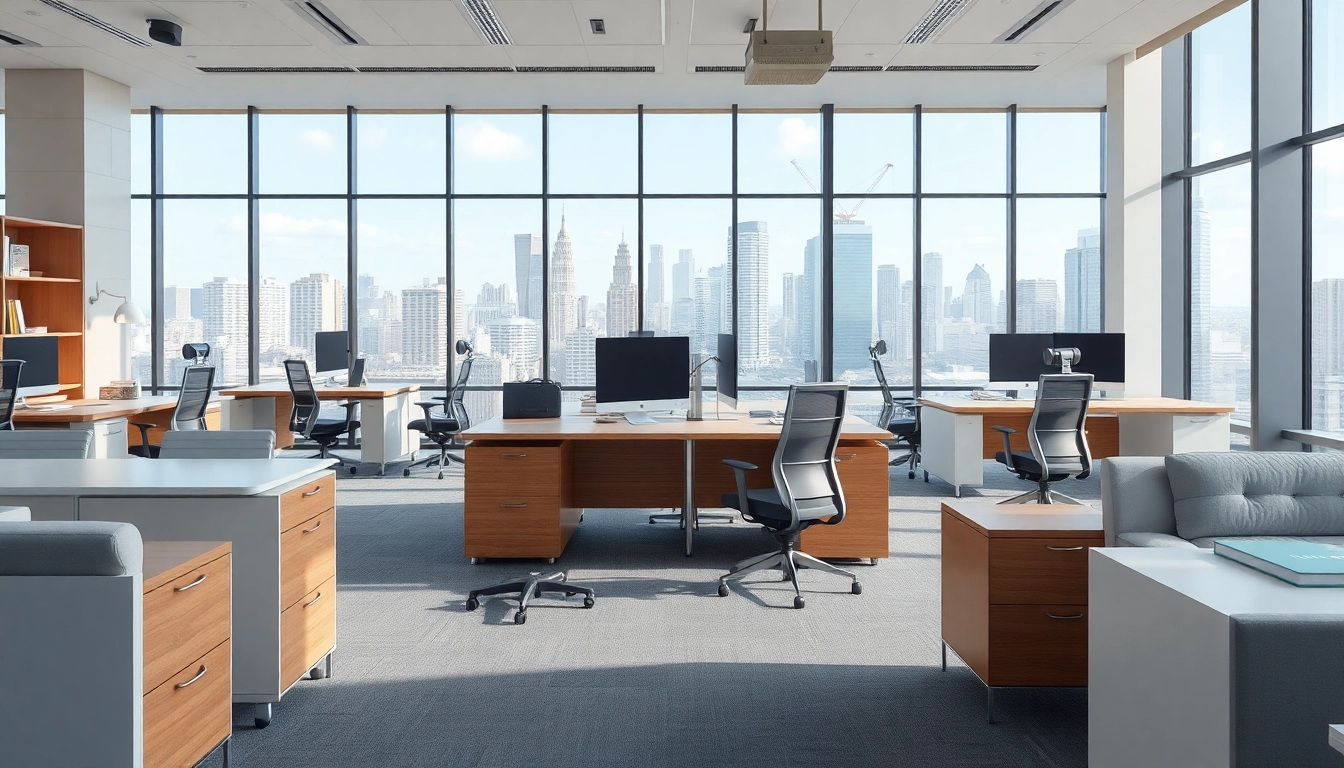
Creating an efficient and comfortable workspace begins with choosing the right office furniture. With a multitude of options available, it's essential to understand the different types of office furniture that serve diverse purposes within any working environment. This section explores the primary categories of office furniture, including seating, desks, and storage solutions, each designed to enhance productivity and comfort.
Chairs for Comfort and Support
The importance of a good chair cannot be overstated. Ergonomics is a vital consideration in office furniture design. Chairs that provide proper lumbar support, adjustable height, and comfortable materials can significantly impact employee wellness and productivity. When selecting chairs, consider types such as executive chairs, task chairs, and conference chairs:
- Executive Chairs: Typically large, cushioned, and often upholstered in leather, executive chairs are designed for maximum comfort, usually featuring high backs and added support.
- Task Chairs: These are more versatile and often found in collaborative workspaces. They are easily movable and often come with adjustable height and swivel capabilities.
- Conference Chairs: Designed for meeting rooms, these chairs offer a blend of style and comfort, allowing participants to sit for extended periods while engaging in discussions.
When investing in chairs, ensure they are adjustable to fit various user preferences and body types, which enhances comfort and reduces the risk of chronic pain caused by prolonged sitting.
Desks and Workstations
Desks are arguably the centerpiece of any office environment, playing a critical role in how effectively one can work. The choice of desk can influence workflow and organization:
- Executive Desks: Often large and imposing, these desks provide ample workspace and storage options, suitable for leadership roles.
- Standing Desks: Gaining popularity in recent years, standing desks offer the flexibility to alternate between sitting and standing, which can improve energy levels and overall health.
- Collaborative Desks: Designed to foster teamwork, these desks are often arranged in clusters to encourage communication and collaboration among team members.
When selecting desks, factors such as size, shape, and additional features (like cable management systems) should be considered to ensure they meet the functional needs of the workspace and the employees using them.
Storage Solutions for Organization
Effective storage solutions are crucial for maintaining an organized workspace, preventing clutter, and facilitating easy access to essential documents and tools. Various types of storage solutions include:
- Filing Cabinets: These are essential for organizing paperwork and documents, available in various styles, including lateral, vertical, and mobile units.
- Shelves and Bookcases: Providing additional vertical storage, these can be utilized to display books, awards, or decorative items while also keeping important materials within easy reach.
- Desk Organizers: Small but effective, desk organizers help keep commonly used items like pens, notepads, and electronic devices tidy and at hand.
Investing in the right storage solutions not only helps maintain a tidy workspace but also enhances overall productivity by minimizing time spent searching for materials.
Choosing the Right Office Furniture
Selecting the appropriate office furniture involves a thoughtful assessment of various factors that contribute to the efficiency and comfort of the workspace. The following sections address some key considerations when embarking on this important task.
Assessing Space and Layout
Before purchasing office furniture, understanding the layout and available space is crucial. It is essential to evaluate how much room is available and how you intend to utilize it. Steps to assessing space include:
- Measure Your Space: Use a tape measure to determine the dimensions of the available area, making note of locations for windows, doors, and electrical outlets.
- Plan Your Layout: Consider the flow of movement within the workspace. Use software solutions or paper sketches to visualize the placement of desks, chairs, and storage.
- Prioritize Flexibility: In dynamic office environments, furniture that can be easily rearranged provides the flexibility needed to adapt to changing work styles.
A well-planned layout not only creates a visually appealing workspace but also enhances efficiency by increasing accessibility to essential areas.
Key Features to Consider
When evaluating office furniture, specific features can greatly enhance functionality and user experience:
- Ergonomics: Look for pieces that promote good posture and reduce strain on the body, as these will provide comfort during long working hours.
- Durability: The materials and build quality are critical; furniture should withstand wear and tear while retaining its aesthetic appeal.
- Style: A consistent design theme that reflects the company’s branding can improve the overall ambiance and promote a positive work culture.
By prioritizing key features, businesses can ensure that their office furniture not only serves its practical purpose but also contributes to a conducive work environment.
Budgeting for Quality and Value
Establishing a budget for office furniture is necessary to avoid overspending while ensuring quality selections. Organizations should consider the following aspects:
- Assessing Value versus Cost: While cheaper options may seem attractive, investing in quality furniture often leads to better long-term value through durability and comfort.
- Cost of Ergonomics: Upfront costs for ergonomic furniture may be higher, but their positive impact on employee health can reduce healthcare costs over time.
- Ongoing Maintenance: Budgeting should also account for the maintenance of office furniture, ensuring longevity and sustained performance.
Cultivating a budget that balances quality, functionality, and aesthetics will lead to informed decisions and promote sustainability within the workspace.
Designing Your Ideal Office Environment
A well-designed office environment plays a crucial role in improving employee morale and productivity. This section discusses how to create an office that intelligently merges practicality with aesthetics, making it a delightful place to work.
Incorporating Style and Branding
The aesthetics of an office are pivotal in creating the right atmosphere. Designs should reflect the company’s values while promoting comfort. Key considerations include:
- Color Schemes: Colors can influence mood and energy levels. Warmer tones can create a cozy environment, while cooler tones can inspire creativity and focus.
- Brand Representation: Furniture and decor that reflect the company’s branding strengthen corporate identity and enhance client relationships.
- Artwork and Accessories: Incorporate elements such as art and plants to create an inviting space that employees enjoy, fostering creativity and community.
By harmoniously merging functional needs with design, companies can cultivate a positive, brand-consistent workspace that employees are proud to be a part of.
Creating a Functional Layout
A functional office layout maximizes productivity while minimizing distractions. Strategies to consider when creating a functional layout include:
- Zones: Define specific areas for collaboration, focused work, and relaxation. This allows employees to choose suitable environments for various tasks.
- Traffic Flow: Ensure careful consideration of how employees move through the workspace, avoiding cluttered pathways that might impede productivity.
- Flexible Spaces: Incorporate modular furniture that easily adapts to individual needs and changing project requirements.
A functional layout enhances collaboration, accessibility, and overall satisfaction within the office environment, leading to improved performance.
Enhancing Ambiance with Accessories
Accessories are the finishing touches that can transform a plain office into an inspiring workspace. Key accessories to enhance ambiance include:
- Lighting: Invest in appropriate lighting solutions to create a warm environment. Natural light is preferable, supplemented by task and ambient lighting for utility.
- Acoustic Panels: Reduce noise and increase privacy with acoustic panels that improve overall workplace ambiance, particularly in open-plan offices.
- Personal Touches: Encouraging employees to personalize their workspaces with photographs, plants, or personal items can boost morale and workplace satisfaction.
Thoughtfully selected accessories complement the overall design and functionality, creating an environment that enhances employee satisfaction and productivity.
Best Practices for Office Furniture Maintenance
Cleaning and Care Guidelines
Regular cleaning and appropriate care extend the lifespan of office furniture. Here are some essential cleaning and care practices:
- Regular Dusting: Use microfiber cloths for dusting off surfaces to avoid scratches. Address spills immediately to maintain the integrity of materials.
- Appropriate Cleaning Products: Select cleaning products designed for specific materials; for example, avoid harsh chemicals on wooden surfaces.
- Professional Cleaning Services: Consider hiring professionals for deep cleaning upholstery and carpets periodically to maintain aesthetic appeal.
Establishing a routine for cleaning and care will promote a healthy workplace and prolong the usability of office furniture.
Preventive Measures for Longevity
Preventive maintenance can help ward off wear and tear on office furniture. Consider the following strategies:
- Regular Inspections: Schedule periodic checks to ensure that furniture remains sturdy, functional, and visually appealing.
- Load Limit Awareness: Be cautious not to overload cabinets and shelves beyond their intended capacity to avoid damaging them.
- Usage Policies: Establish clear guidelines for the use of office furniture to ensure proper and respectful handling by employees.
By taking preventive measures, businesses can reduce the likelihood of damage and extend the life of their office furniture.
Updating and Replacing Furniture
Eventually, all office furniture will require updates or replacements. Understanding when and how to do this is essential:
- Assessing Wear and Tear: Regularly monitor furniture for signs of damage, such as loose joints or fabric wear. Early detection can help in planning replacements.
- Changing Needs: As businesses evolve, employee needs may change. Updating furniture to accommodate new workflows or technologies may be necessary.
- Sustainability Considerations: When updating, consider eco-friendly products or recycling old furniture, ensuring responsible disposal of materials.
Updating and replacing office furniture thoughtfully ensures a modern and functional workspace, supporting the evolving needs of the business and its employees.
Future Trends in Office Furniture
As workplaces continue to evolve, so too do the trends in office furniture. Emerging innovations reflect changing work styles, employee preferences, and a growing emphasis on sustainability. This section explores the future trends influencing office furniture design and selection.
Eco-Friendly Options and Sustainability
With rising awareness of environmental issues, eco-friendly office furniture options are becoming increasingly popular. Considerations for sustainable office furniture include:
- Sustainable Materials: Look for furniture made from recycled or sustainably sourced materials, ensuring a lower carbon footprint.
- Manufacturing Processes: Select brands that prioritize environmentally friendly practices throughout the manufacturing process, minimizing waste and emissions.
- End-of-Life Solutions: Consider furniture designed for durability and recyclability to promote a circular economy.
Choosing eco-friendly options not only supports sustainability but also resonates positively with employees who value corporate responsibility.
Smart Furniture Technologies
To meet the demands of modern workplaces, smart furniture technologies are emerging. These include desks and seating that integrate technology to enhance functionality:
- Adjustable Desks: Desks with motorized height adjustment mechanisms promote ergonomics and flexibility for users who prefer sitting or standing.
- Integrated Technology: A rise in desks that include built-in charging stations, cable management systems, and connectivity features that support a seamless technological experience.
- Monitoring Systems: Some office furniture incorporates sensors that track usage patterns, providing insights to optimize workspace efficiency.
As smart technologies continue to advance, they will play a vital role in enhancing the functionality and adaptability of office furniture.
The Rise of Remote-Friendly Designs
The shift toward remote work has transformed how office furniture is conceived. Future trends lean towards designs that are versatile and suitable for both home offices and corporate environments:
- Multi-Functional Pieces: Furniture that serves various purposes, such as desks that double as dining tables or chairs that provide storage.
- Easy-to-Transport Options: Lightweight and portable furniture that employees can easily set up and transport between home and office.
- Personalization: Providing employees with options to customize their home office setups can enhance comfort and productivity.
As remote work continues to grow, office furniture designs will focus on adaptability and comfort, creating spaces that work for individuals regardless of their location.