Introduction to Loofah Care
Loofahs are a popular bathing accessory, appreciated for their ability to exfoliate the skin and enhance the bathing experience. However, while most people enjoy the benefits of a loofah, they often overlook the crucial aspect of keeping them clean. Regular cleaning is essential not only to maintain the loofah's effectiveness but also to prevent the growth of bacteria and mold. Understanding how to clean a loofah properly can help ensure your bathing routine remains both pleasant and hygienic.
Understanding the Importance of Cleaning a Loofah
The importance of cleaning a loofah cannot be overstated. Over time, loofahs can accumulate dead skin cells, soap residue, and moisture, creating an ideal environment for bacteria and mold to thrive. If left uncleaned, using a dirty loofah can lead to skin irritations, infections, and other health risks. Regular cleaning not only prolongs the life of your loofah but also contributes to better skin health. By adopting a routine cleaning method, you can ensure your loofah remains a beneficial part of your hygiene regimen.
Common Misconceptions About Loofahs
Many people hold misconceptions about loofah care, which can lead to poor hygiene practices. One common myth is that hot water alone is enough to sanitize a loofah. While hot water can help, it doesn't eliminate all bacteria effectively. Another myth is that loofahs don't need to be cleaned frequently due to their exfoliating nature. This belief overlooks the fact that all bath accessories should be cleaned regularly to ensure they are safe to use. Understanding these misconceptions is key to better loofah maintenance.
When to Clean Your Loofah
Cleaning frequency can depend on how often you use your loofah. As a general rule, it is advisable to clean your loofah at least once a week. If you notice any changes in smell, texture, or appearance, it’s best to clean it sooner. Proper timing for cleaning not only helps in maintaining hygiene but also ensures that your loofah continues to provide optimal exfoliation.
How to Clean a Loofah Using Natural Ingredients
Cleaning with Vinegar: Step-by-Step
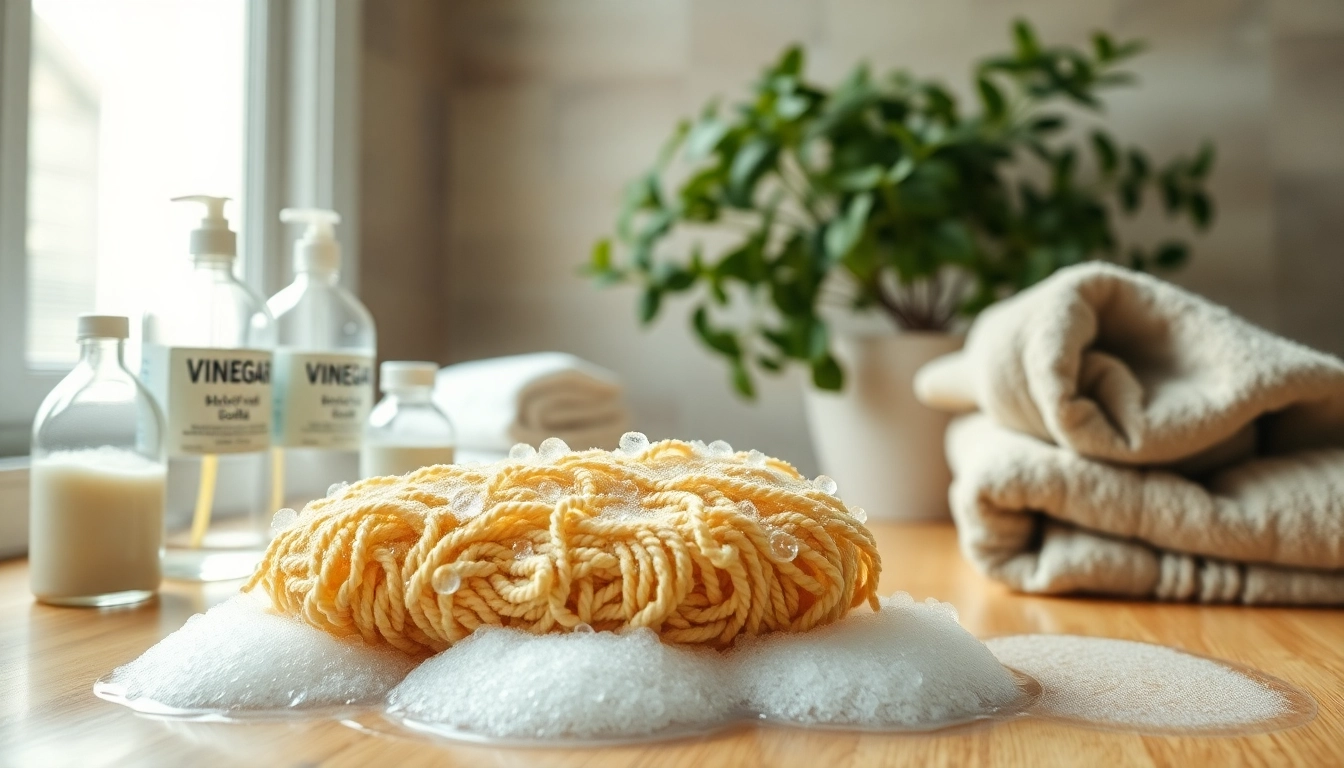
Vinegar is an excellent natural disinfectant that is effective in cleaning loofahs. Here’s a step-by-step guide on how to use it:
- Prepare the Solution: Mix one part of white vinegar with four parts of water in a bowl or basin.
- Soak the Loofah: Submerge your loofah in the vinegar solution and let it soak for about 10-15 minutes to disinfect.
- Rinse Thoroughly: After soaking, rinse the loofah under warm running water to remove the vinegar and any dislodged debris.
- Dry Completely: Allow the loofah to dry in a well-ventilated area before storing it.
Using vinegar not only cleanses but also helps in neutralizing odors.
Using Baking Soda for Deep Cleaning
Baking soda is another natural ingredient that effectively cleans loofahs and removes stubborn odors. Here's how to deep clean with baking soda:
- Make the Paste: Combine equal parts of baking soda and water to create a thick paste.
- Apply the Paste: Rub the paste onto the loofah, focusing on areas with heavy buildup.
- Let it Sit: Allow the paste to sit for about 10 minutes before rinsing.
- Rinse and Dry: Rinse the loofah thoroughly under warm water and hang it to dry.
This method is excellent for a deep clean that revitalizes your loofah.
Alternative Natural Cleaning Solutions
Besides vinegar and baking soda, other natural cleaning solutions can also be effective. For instance, lemon juice has antibacterial properties and leaves a fresh scent. Simply mix it with water, soak your loofah, and then rinse. Additionally, tea tree oil can be mixed with warm water for its antifungal benefits. Just a few drops in a solution can enhance the cleansing process and promote better hygiene. Experimenting with these alternatives can help you find the best method for your needs.
Maintenance Tips for Longevity
How to Store Your Loofah Properly
Proper storage is crucial for maintaining your loofah's hygiene and durability. Always ensure that your loofah is rinsed thoroughly after each use to eliminate any soap residue. Store the loofah in a dry, airy place where it can fully dry out. Avoid enclosed spaces like baskets or cabinets, as these can trap moisture and encourage bacterial growth. Ideally, hang your loofah in the shower or on a hook, allowing it to dry out completely every day.
Best Practices for Drying and Disinfecting
In addition to rinsing your loofah after use, consider incorporating a drying routine into your maintenance practices. After cleaning your loofah, ensure it is spread out and dried either in the sun or a well-ventilated area. Sunlight has natural disinfecting properties that can aid in killing residual germs. If you notice your loofah is still damp after a washing cycle, placing it near a heater or using a fan can help, but avoid wet environments where mold can grow.
Avoiding Common Mistakes
Certain mistakes can greatly reduce your loofah's lifespan and hygiene. One common error is neglecting to clean the loofah frequently. Ensure that you incorporate cleaning into your weekly routine. Moreover, avoid using harsh chemicals, like bleach, as they can damage the fibers and be harmful to your skin. Lastly, never let your loofah sit in water or become overly wet, as this promotes bacterial growth.
Signs It's Time to Replace Your Loofah
Identifying Wear and Tear
Recognizing when to replace your loofah is as important as cleaning it. Inspect your loofah regularly for signs of wear and tear, such as fraying edges or thinning fibers. If it appears flattened or lacks its original texture, it may be time for a new one. Furthermore, an unusual odor that persists even after cleaning indicates that the loofah has reached its limits and should be replaced.
Health Risks of a Dirty Loofah
Using a dirty loofah can pose serious health risks, as they can harbor bacteria, mold, and even fungi, leading to skin conditions like rashes or infections. If you have sensitive skin or are prone to allergies, this risk becomes even more concerning. Therefore, it's essential to remain vigilant about cleanliness and replace your loofah if it's been compromised.
Choosing the Right Replacement
When selecting a new loofah, consider opting for natural fiber options over synthetic materials. Natural loofahs are biodegradable and generally free from harmful chemicals. Look for loofahs that feel firm but not abrasive; they should provide a good level of exfoliation without causing irritation. Additionally, consider your bathing needs — whether you need a softer one for sensitive skin or a more rigid one for a thorough scrub.
FAQs About Loofah Cleaning
How often should I clean my loofah?
It's recommended to clean your loofah at least once a week to prevent bacteria build-up.
Can I put my loofah in the washing machine?
Avoid machine washing; instead, use gentle hand cleaning methods to preserve its integrity.
Is it safe to clean a loofah with bleach?
Using bleach is not recommended, as it can damage the natural fibers of the loofah.
What alternative cleaning methods can be used?
Besides vinegar and baking soda, you can use lemon juice and tea tree oil for freshness.
How do I know if my loofah is still good to use?
Look for signs of wear, odor, or discoloration; if any are present, it’s time to replace it.