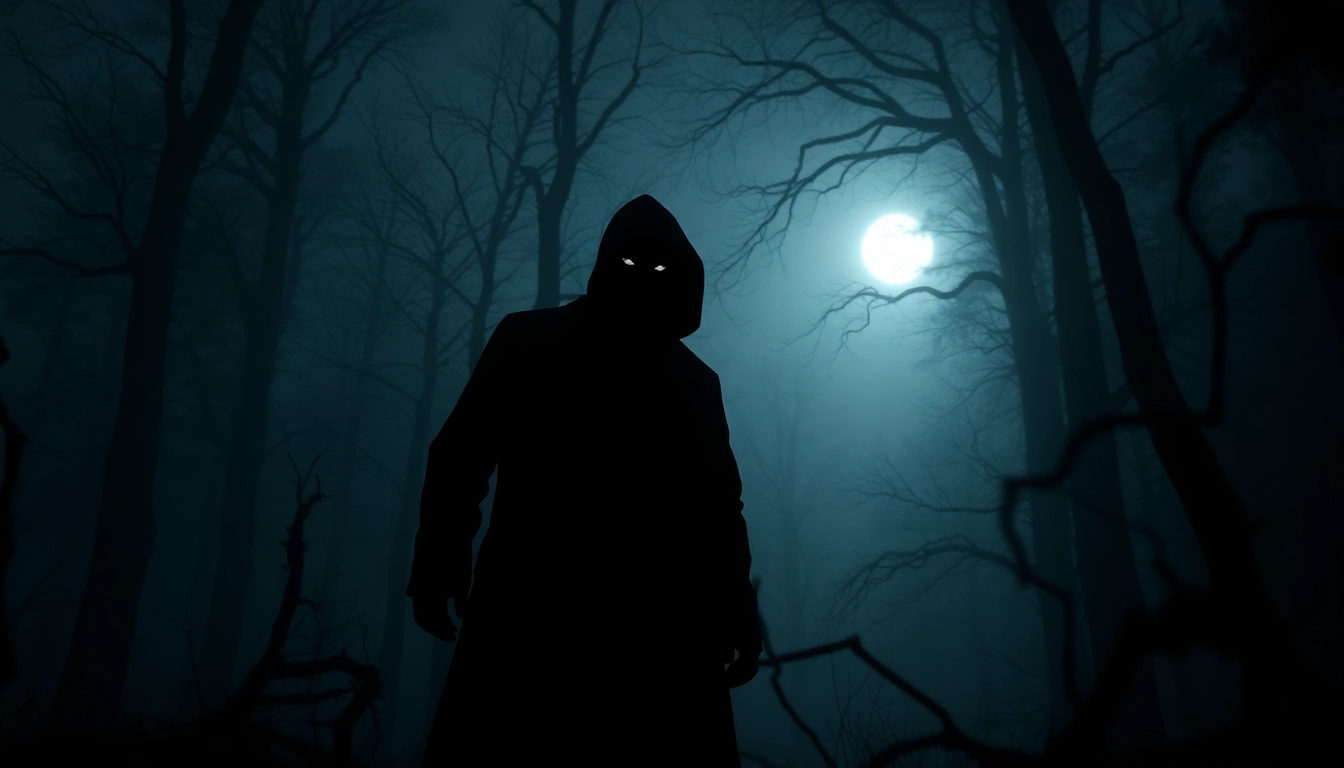
Understanding the Essence of Thriller
Definition and Key Elements of Thriller
The term "Thriller" is often synonymous with suspense and tension, evoking a sense of urgency that keeps audiences on the edge of their seats. In literature and film, thrillers are defined by a narrative structure that emphasizes excitement, peril, and unpredictability. The primary elements of a thriller can be distilled into several key components: a gripping plot, well-developed characters, an intense conflict, and a climactic resolution that often includes unexpected twists. The thrill arises from the protagonist's journey through danger, creating emotional highs and lows that resonate deeply with viewers and readers alike.
Historical Evolution of Thriller Genre
The thriller genre has roots that can be traced back to early literature, with Gothic novels in the 18th and 19th centuries laying the groundwork for contemporary thrillers. Authors like Edgar Allan Poe and Mary Shelley explored themes of suspense and horror, crafting narratives that captured readers' imaginations. In the 20th century, films such as Alfred Hitchcock's masterpieces blurred the lines between suspense and psychological horror, influencing a variety of modern thriller forms. The genre continued to evolve through the years, incorporating elements from various styles including crime, adventure, and psychological drama, culminating in a rich tapestry of suspense-laden storytelling that persists today in both literature and cinema.
Psychological Impact of Thrillers on Audiences
Thrillers have a unique ability to evoke intense emotions, including fear, anxiety, and excitement. The psychological impact extends beyond mere entertainment; thrillers often provoke a visceral response that can engage audiences in deep contemplation about human nature, morality, and the unpredictability of life. Researchers have found that the adrenaline rush associated with thrillers can be exhilarating, offering a safe space for viewers to confront fears and anxieties from the comfort of their homes or cinemas. This explains the enduring popularity of the genre, as it allows individuals to explore the darker aspects of existence while simultaneously offering hope through the triumph of good over evil.
Thrilling Storytelling Techniques
Building Suspense and Tension in Thrillers
Creating suspense is at the heart of any thriller, requiring a careful balance between revealing information and withholding it. Effective techniques include pacing, foreshadowing, and the strategic use of cliffhangers. Pacing refers to the rhythm of the narrative; a slower build may heighten tension, while sudden bursts of action can shock the audience. Foreshadowing, when used skillfully, plants seeds of anticipation that keep the audience engaged. Cliffhangers, often seen at the end of chapters or scenes, leave readers and viewers eagerly awaiting resolution, ensuring they remain glued to the experience.
Character Development in Thriller Narratives
The characters in thrillers are often complex and multifaceted, with their motivations and backgrounds adding depth to the story. Protagonists typically possess relatable traits or flaws, making them vulnerable yet resilient. In contrast, antagonists are often portrayed as enigmatic figures whose intentions remain obscured throughout the narrative, creating additional layers of suspense. By delving into the psychological profiles of characters, writers can craft more engaging and relatable arcs that elevate the stakes of the tale.
Effective Plot Twists for Maximum Impact
Plot twists are pivotal in thrillers, transforming expectations and rewriting the narrative path. A well-executed twist should feel both surprising and inevitable in hindsight, prompting audiences to rethink earlier events and character decisions. Withhold crucial information until the appropriate moment, then reveal it in a way that reshapes the audience's understanding of the story. This technique not only heightens excitement but also encourages repeat viewings and re-readings as audiences dissect the clues that led to the twist.
The Role of Setting in Creating a Thriller Atmosphere
Utilization of Urban vs. Rural Settings
The setting significantly influences the thrill in a narrative, whether it's an urban landscape brimming with anonymity and danger or a rural backdrop that exudes isolation and vulnerability. Urban settings often allow for a sense of anonymity where characters can seamlessly blend into the crowd, enhancing the feeling of unpredictability. Conversely, rural locations can amplify tension through isolation, creating an environment where escape feels impossible and every shadow could conceal a threat. Selecting the right setting is a critical aspect of establishing mood and enhancing narrative tension.
Creating an Atmospheric Backdrop
An atmospheric backdrop can transport audiences into a story, filling them with a sense of dread or anticipation. Techniques to enhance setting include vivid, sensory descriptions and the thoughtful inclusion of weather and time of day, which can influence the emotional tone. Darkness, fog, rain, or looming structures can all serve as foreboding elements that augment the storyline's tension. Furthermore, the incorporation of local lore or history can lend an additional layer of intrigue, compelling audiences to engage more deeply with the narrative context.
Importance of Sound Design in Thrillers
Sound design is a vital, often overlooked, element in the creation of thrillers, particularly in film. The use of music, silence, and ambient sounds can intensify emotional responses, signaling danger or heightening suspense. The effective blend of sound cues — such as ominous scores or sudden crescendos — can manipulate audience emotions, guiding them through moments of fear and relief. Savvy creators leverage sound not just as a background element but as an integral part of storytelling that punctuates pivotal moments and amplifies the overall experience of dread and anticipation.
Thrillers in Film: A Visual Masterclass
Iconic Examples from Film History
Thrillers have evolved through film history to include a range of iconic films that have left a significant mark on audiences. Alfred Hitchcock's "Psycho" remains a watershed moment in the genre, introducing techniques that have become staples, such as the shocking twist and psychological complexity. Likewise, modern films like "Gone Girl" and "Se7en" showcase the genre's continued evolution, using intricate narratives and morally ambiguous characters to keep viewers engaged. These films provide a blueprint for how visual storytelling combines with narrative structure to maximize suspense and emotional impact.
Directing Styles that Enhance the Thriller Experience
Directing styles play a pivotal role in shaping a thriller's tone and intensity, with some styles favoring more subtle, psychological approaches and others utilizing bold, dramatic visuals. Directors such as David Fincher and Quentin Tarantino often employ unique narrative structures and sharp dialogues to create tension. Their ability to manipulate pacing, camera angles, and shot composition requires a deep understanding of how visual storytelling impacts audience emotional responses. A skilled director recognizes that every frame should serve a purpose, weaving tension into the fabric of each shot to enhance the overall thriller experience.
Cinematic Techniques for Fostering Suspense
Cinematic techniques include various strategies designed to build suspense effectively. These techniques may involve cross-cutting between parallel storylines, maintaining viewer anxiety through editing, or using slow-motion sequences to highlight critical moments. Camera movements—such as gradual zoom-ins or unexpected cuts—can also be employed to create disorientation, drawing viewers deeper into the protagonist’s experience. Additionally, incorporating unexpected visual elements, such as sudden close-ups of the antagonist's chilling expressions, can elicit strong emotional reactions and reinforce the story's intensity.
The Future of Thriller in Digital Media
Thrillers in Streaming Services
As viewing habits shift and streaming services redefine how content is consumed, thrillers are experiencing a renaissance. With platforms offering an extensive array of thrillers from around the globe, audiences are exposed to diverse narratives and distinct cultural perspectives on suspense. This democratization of content allows lesser-known creators to enter the space, bringing innovative storytelling that challenges traditional frameworks within the genre. Writers and filmmakers are now able to harness the power of digital media to reach wider audiences, transforming the thriller landscape.
Interactive Thrillers and Audience Engagement
The rise of digital media has also introduced interactive experiences within the thriller genre, where audience participation directly influences outcomes. These narrative forms engage viewers more actively, creating personalized experiences that heighten suspense. Video games, online storytelling platforms, and interactive films harness technology to create immersive environments, allowing the audience to make choices that affect plot direction. This engagement fosters deeper emotional connections with characters, transforming passive viewers into active participants in their thrilling journey.
Predictions for the Upcoming Trends in Thriller Genre
As we look to the future, the thriller genre is bound to continue evolving, intersecting with advancements in technology, storytelling, and audience preferences. One significant trend is the shift towards more diverse storytelling, as creators explore themes of identity and social issues through the thriller lens. Additionally, advancements in virtual reality and augmented reality will likely pave the way for new forms of immersive thriller experiences, pushing the boundaries of traditional narratives. Contemporary audiences seek innovative content, and the thriller genre must adapt to meet these expectations, balancing the demands for freshness while retaining its core elements of suspense and intrigue.