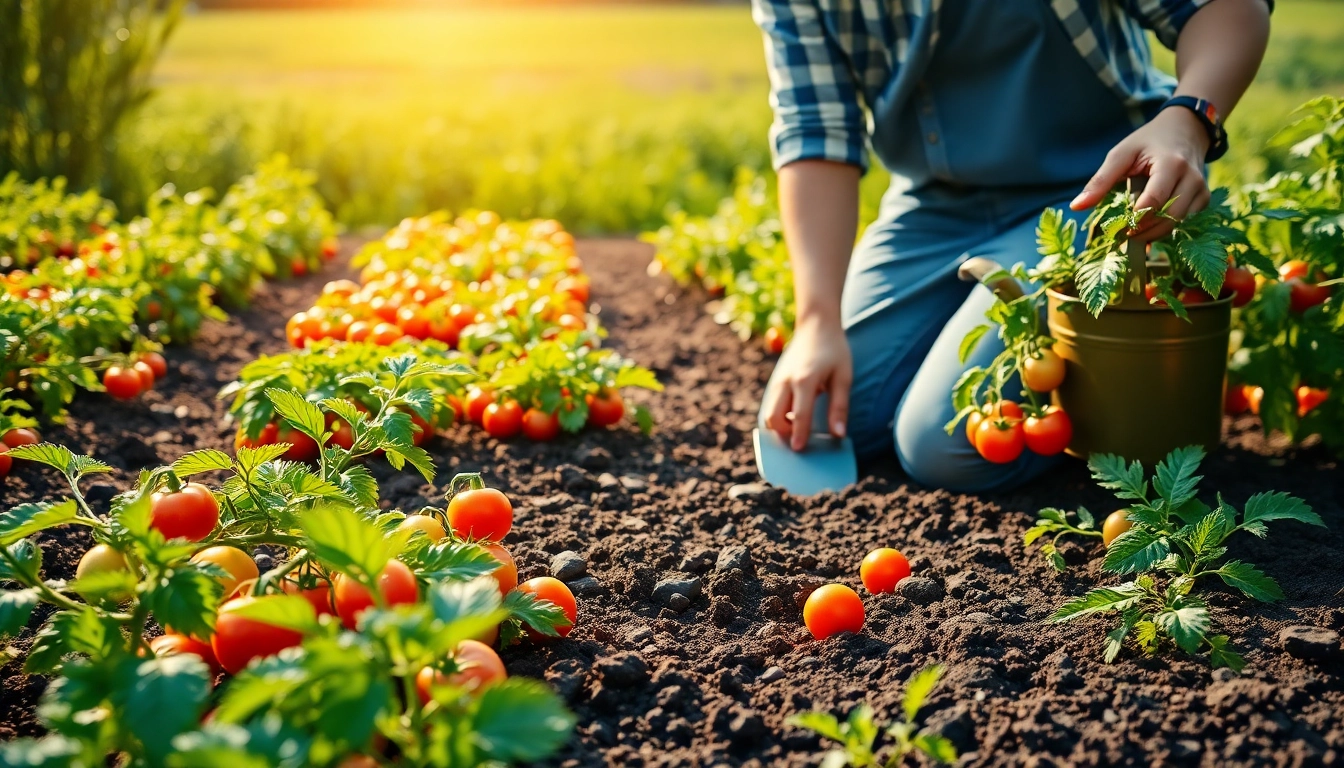
Understanding the Basics of Gardening
What is Gardening?
Gardening is the practice of cultivating plants, which can include anything from vegetables and fruits to flowers and ornamental plants. It encompasses various activities such as planting, watering, weeding, and harvesting. The engaging aspect of gardening lies in its blend of artistry and science, where gardeners can express their creativity through design while applying principles of botany, ecology, and environmental sustainability. Whether it's a backyard plot, a balcony container garden, or an indoor herb garden, gardening allows individuals to connect with nature and engage in a fulfilling hobby. For those curious to explore more about this enriching practice, Gardening offers a wonderful entry point into understanding its nuances.
The Importance of Soil Quality in Gardening
The cornerstone of successful gardening is soil quality. Healthy soil is rich in organic matter, making it fertile and capable of retaining moisture while allowing excess water to drain. Understanding soil composition, pH levels, and nutrient availability is crucial. Soil testing kits are available for gardeners to analyze their soil, informing them of necessary amendments such as compost or fertilizers.
Soil quality impacts plant growth in multiple ways:
- Nutrient Supply: Plants require essential nutrients like nitrogen, phosphorus, and potassium, which ought to be present in adequate amounts in the soil.
- Water Retention: Well-structured soil retains moisture, allowing plants to absorb water without suffocating their roots.
- Microbial Activity: Quality soil harbors beneficial microbes that promote disease resistance and help break down organic matter, making nutrients available to plants.
Essential Gardening Tools for Beginners
Starting a garden requires a selection of basic tools to ensure efficient work. Some essential gardening tools include:
- Hand trowel: Perfect for digging small holes for planting.
- Pruning shears: Used to trim plants, which encourages growth and prevents pest infestation.
- Garden fork: Useful for aerating soil and turning compost.
- Watering can or hose: Essential for plant hydration.
- Gloves: Protects hands while handling dirt and tools.
As gardeners progress, they may find the need for additional specialized tools, but starting with the basics will sufficiently prepare beginners for introductory tasks.
Choosing the Right Plants for Your Garden
Plant Selection Based on Climate
Geographical location plays a vital role in determining which plants will thrive in a garden. Understanding your hardiness zone—the USDA Plant Hardiness Zone Map is a great resource—helps identify plants that can withstand local temperatures and climates. Factors to consider include:
- Sunlight: Different plants require varying amounts of sunlight (full sun, partial shade, full shade).
- Humidity: Moisture levels within the air can affect plant health and growth rates.
- Seasonal Rains: The timing and amount of rainfall vary by region, influencing irrigation strategies.
Annual vs. Perennial Plants in Gardening
Understanding the difference between annuals and perennials is crucial for garden planning. Annual plants complete their lifecycle within one growing season, requiring replanting each year, while perennials return year after year, often requiring less upkeep. Here’s a comparison:
- Annuals: Examples include marigolds and petunias; they provide vibrant color and seasonal blooms.
- Perennials: Examples include echinacea and peonies; they tend to develop deeper root systems and bloom multiple seasons.
Smart gardeners often blend both types for a vibrant and dynamic garden layout that provides continuous interest throughout the growing seasons.
Native Plants and Their Benefits in Gardening
Incorporating native plants into your garden not only supports local wildlife but also promotes sustainability. Native plants are well-adapted to local conditions and typically require less water and fewer resources. Additionally, they provide food and habitat for native species, such as birds and insects. Choosing native plants can also lead to a lower-maintenance garden, as these plants have evolved to thrive in the specific climate and soil conditions of the region.
Garden Design and Layout Strategies
Creating a Raised Bed Garden
Raised bed gardening is an effective method to cultivate a variety of plants while minimizing issues related to soil drainage and pest damage. Raised beds can be built using various materials such as wood, stone, or even concrete blocks. They offer several advantages:
- Improved Soil Quality: Gardeners can fill raised beds with the ideal soil mix to optimize plant health.
- Easier Maintenance: Raised beds reduce bending and strain on the back, providing easier access to plants.
- Extended Growing Seasons: The soil in raised beds warms up faster in spring, leading to earlier planting.
Companion Planting Techniques for Better Yields
Companion planting involves strategically placing different plants in proximity to enhance growth and deter pests. Certain plant combinations can create an ecosystem optimally benefiting all involved. For example:
- Tomatoes and Basil: Basil can enhance tomato flavor while repelling pests.
- Marigolds and Vegetables: Marigolds can deter nematodes and other damaging pests.
This technique promotes biodiversity and can lead to increased yields by effectively utilizing space and resources.
Harmonizing Colors and Shapes in Gardening
A visually appealing garden combines the art of color and shape. When designing a garden layout, consider the color wheel to select plant colors that complement each other. Employing the following tips can lead to a stunning garden:
- Contrast: Dark and light colors create depth.
- Layering: Arranging plants in taller varieties at the back and shorter ones at the front establishes a pleasing silhouette.
- Seasonal Variety: Choosing plants that bloom at different times extends visual appeal throughout the season.
Advanced Gardening Practices
Permaculture Principles for Sustainable Gardening
Permaculture is a design philosophy focusing on sustainable land use and agricultural systems. Its practices emphasize working with nature rather than against it. This method promotes biodiversity, soil health, and efficient resource use. Core principles include:
- Observe and Interact: Understanding the local ecosystem informs the best gardening practices.
- Catch and Store Energy: Utilize natural resources like sunlight and rain in sustainable ways.
- Apply Self-Regulation and Accept Feedback: Monitor the system's health and make necessary adjustments.
Organic Gardening Techniques and Benefits
Organic gardening emphasizes natural growth processes and the use of organic materials for plant nourishment and pest control. This method avoids synthetic herbicides and pesticides, promoting a healthier ecosystem. Some popular techniques include:
- Composting: Utilizing kitchen scraps and garden waste to enrich soil.
- Crop Rotation: Changing the types of crops grown in specific areas each season to prevent soil depletion and deter pests.
- Natural Pest Control: Using beneficial insects and plants (e.g., ladybugs, basil) to deter harmful pests.
Pest Management Strategies for Healthy Gardens
Pest management in gardening ensures plant health and productivity. Integrated Pest Management (IPM) reduces reliance on chemical solutions through a holistic approach focusing on the ecosystem. Strategies include:
- Monitoring: Regularly inspecting plants for signs of pest-related damage.
- Physical Controls: Handpicking pests or using insect barriers.
- Cultural Controls: Practices such as maintaining plant diversity and rotating crops to deter pest establishment.
Maintaining Your Garden Year-Round
Seasonal Gardening Tasks and Reminders
Garden maintenance is critical to ensuring the health and aesthetics of the garden year-round. Seasonal tasks may vary, but some fundamental duties include:
- Spring: Preparing soil, planting seeds, and pruning.
- Summer: Regular weeding and watering, as well as harvesting ripe produce.
- Fall: Collecting seeds, mulching, and preparing beds for winter.
- Winter: Planning for spring, maintaining tools, and trimming perennials.
Watering Techniques for Optimal Plant Growth
Efficient watering techniques are critical for the overall health of a garden. Watering should be tailored to the specific needs of the plants:
- Deep Watering: Encouraging deep root growth by watering thoroughly and less frequently.
- Misting: Using a spray to help maintain humidity levels for plants that thrive in moist environments.
- Drip Irrigation: A targeted approach that delivers water directly to the plant roots, conserving both water and time.
Composting and Its Role in Gardening Health
Composting is a natural process that transforms organic waste into nutrient-rich soil amendment, promoting a healthy garden ecosystem. Composting can recycle kitchen scraps, yard waste, and even paper products. The benefits of composting in gardening include:
- Nutrient Supply: Compost provides essential nutrients to plants, reducing fertilizer needs.
- Soil Structure Improvement: Enhances soil aeration and drainage, fostering healthier root systems.
- Waste Reduction: Composting organic waste significantly reduces landfill contributions.