
Top Quality Jiu Jitsu Rash Guards for Optimal Performance and Comfort
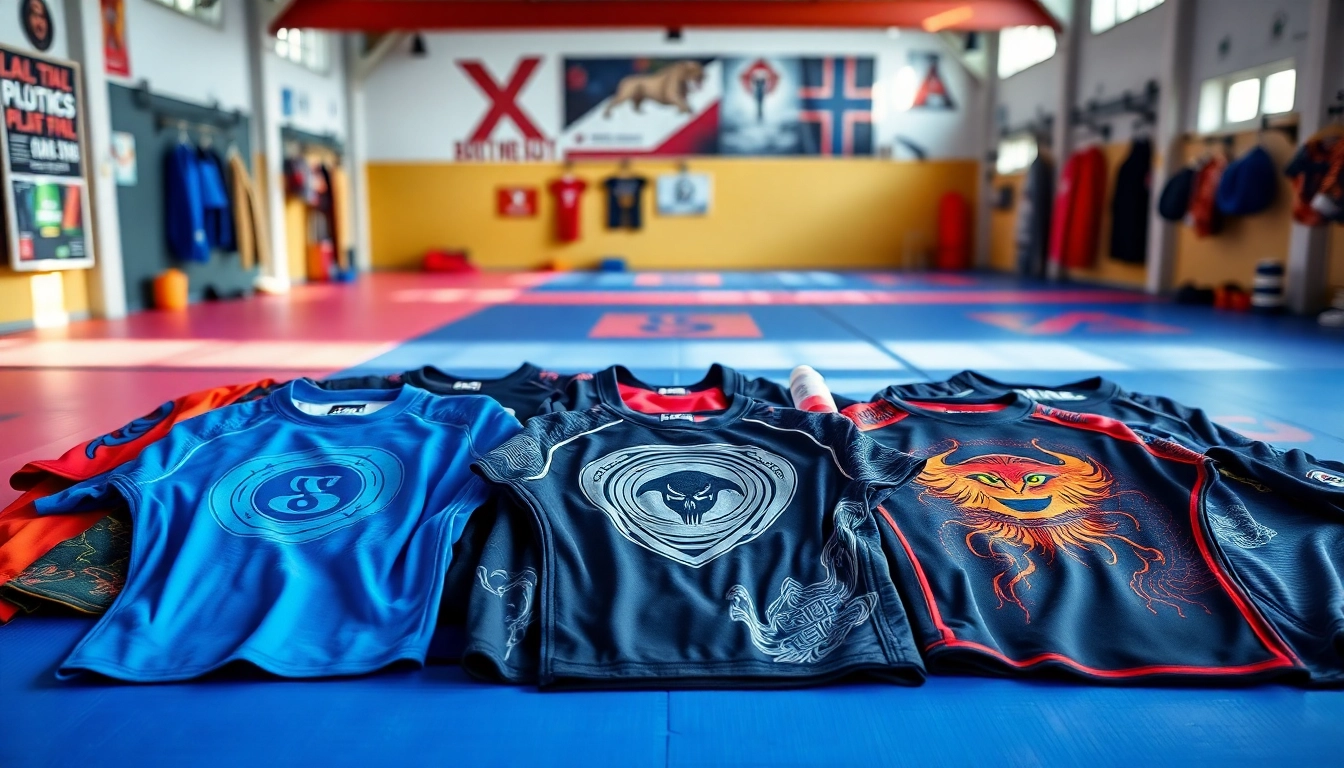
The Importance of Jiu Jitsu Rash Guards in Training
In the world of Brazilian Jiu Jitsu (BJJ), gear quality and comfort can significantly influence a practitioner’s performance during training and competition. Among the essential pieces of equipment, Jiu Jitsu Rash Guards stand out as critical items designed for durability, protection, and comfort. This article delves into the significance of wearing these specialized garments, guiding you towards making informed choices about your training needs.
1. What Are Jiu Jitsu Rash Guards?
Jiu Jitsu rash guards are form-fitting athletic tops made primarily from polyester, spandex, or nylon blends. They are designed to be worn during grappling sports like BJJ to provide both physical protection and performance-enhancing characteristics. These garments typically feature long or short sleeves and may vary in thickness. Modern rash guards are often stylish, incorporating various graphics and colors that allow practitioners to express their individuality on the mats.
2. Benefits of Wearing Jiu Jitsu Rash Guards
Wearing Jiu Jitsu rash guards offers a multitude of benefits including:
- Skin Protection: They guard against mat burns, cuts, and abrasions, providing a layer of defense against the friction of grappling.
- Moisture Control: Rash guards wick sweat away from the skin, keeping you dry and comfortable during intense training sessions by promoting evaporative cooling.
- Reduced Bacteria Transfer: They can act as a barrier, minimizing the transfer of bacteria and skin infections from one practitioner to another.
- Improved Performance: The snug fit of rash guards aids in body awareness and muscle compression, which can enhance performance outcomes during grappling.
3. Choosing the Right Fit for Your Jiu Jitsu Rash Guard
Finding the proper fit for your rash guard is crucial for maximizing its benefits. Here are some key points to consider:
- Size: Rash guards should fit snugly without restricting movement. Use size charts provided by manufacturers as a guideline.
- Length: The shirt should cover your torso adequately without riding up during practice. Look for styles that are longer in the body.
- Comfort: Choose a rash guard with flatlock seams to reduce chafing and irritation, allowing for a more enjoyable training experience.
Materials Used in Jiu Jitsu Rash Guards
1. Common Fabrics for Jiu Jitsu Rash Guards
The construction of rash guards involves specialized materials that improve their performance features. Typical fabrics include:
- Polyester: Known for its durability and moisture-wicking capability, this fabric keeps you dry while resisting wear and tear.
- Spandex: Offers excellent elasticity, ensuring a snug fit that allows freedom of movement during grappling.
- Nylon: Often featured for its strength and lightweight properties, nylon adds to the overall comfort.
2. Moisture-Wicking Properties Explained
Moisture-wicking fabric technology is critical for athlete comfort. It works by moving sweat away from the skin to the garment’s outer layer, where it can evaporate efficiently. This action reduces the clammy feeling that comes from excess moisture on the skin, which can lead to chill during rest periods. Additionally, moisture-wicking properties help to maintain a balanced body temperature, particularly useful during intense training sessions.
3. Durability and Maintenance of Jiu Jitsu Rash Guards
To ensure longevity, it’s vital to follow care instructions for rash guards. Key aspects include:
- Washing: Cold wash is recommended with gentle detergent to avoid degradation of fabric technology.
- Drying: Air drying is ideal; avoid tumble drying as it can cause fabric shrinkage and damage.
- Storage: Store in a cool, dry place to prevent the growth of mold or mildew on damp clothing.
Styles and Features of Jiu Jitsu Rash Guards
1. Popular Designs and Graphics
Rash guards today come in an array of styles and designs. Popular options include:
- Solid Colors: These provide a classic look and are often preferred for competitions where simplicity is required.
- Graphic Prints: Many practitioners prefer eye-catching designs that showcase personal style or represent their academy.
- Customizable Options: Some brands allow personalized graphics or texts, enabling athletes to create unique gear.
2. Long Sleeve vs. Short Sleeve Jiu Jitsu Rash Guards
The choice between long sleeve and short sleeve rash guards depends on several factors such as training environment and personal preference:
- Long Sleeve: Offers additional protection from mat burns and sun exposure, making them ideal for outdoor training.
- Short Sleeve: Provides cooler airflow and can be preferred in warmer climates or during high-intensity training sessions.
3. Additional Features to Consider
When selecting a rash guard, consider these added features:
- Reinforced Stitching: Enhances durability and reduces the likelihood of rips during intense workouts.
- Anti-Odor Properties: Some rash guards come treated with materials to minimize odors caused by sweat and bacteria.
- Flatlock Seams: Designed for comfort, these seams prevent chafing, making wearing the rash guard more pleasant.
How to Care for Your Jiu Jitsu Rash Guards
1. Washing and Drying Tips
Caring for your Jiu Jitsu rash guard plays a crucial role in maintaining its functionality and appearance. Here are practical tips for washing and drying:
- Wash in cold water with mild detergent.
- Avoid bleach, which can damage fabric integrity.
- Air dry to retain moisture-wicking capabilities and shape.
2. Storing Your Jiu Jitsu Rash Guards Properly
Proper storage ensures that your rash guards remain in top condition. Follow these guidelines:
- Keep in a cool, dry place to prevent moisture accumulation.
- Avoid folding to prevent creases; hang them when possible.
3. Signs It’s Time to Replace Your Jiu Jitsu Rash Guard
Regularly inspect your rash guard for the following signs indicating it may be time for a replacement:
- Fading colors which may suggest wear and an inability to wick moisture efficiently.
- Thin spots that may suggest a failure of the material’s integrity.
- Loss of elasticity that impacts fit and snugness.
Frequently Asked Questions About Jiu Jitsu Rash Guards
1. Can I wear a Jiu Jitsu rash guard for other sports?
Yes, Jiu Jitsu rash guards are versatile and can be worn for various sports, including surfing, wrestling, and weightlifting due to their moisture-wicking and protective attributes.
2. Do Jiu Jitsu rash guards protect against mat burn?
Indeed, these garments provide a layer of protection against mat burns, abrasions, and cuts during grappling, enhancing comfort and safety on the mats.
3. Are Jiu Jitsu rash guards suitable for all body types?
Certainly! Rash guards are designed to fit various body types, available in multiple sizes that accommodate a diverse range of practitioners.
4. How do I select the right size for my Jiu Jitsu rash guard?
To determine the right size, consult the brand’s size chart. Generally, rash guards should fit snugly yet comfortably without being constricting or loose.
5. What’s the price range for quality Jiu Jitsu rash guards?
The price range for quality Jiu Jitsu rash guards typically varies from $30 to $70, depending on material, design, and brand reputation. Cheap options may lack durability.