Understanding the Intricacies of Car Hacking: Securing Your Vehicle in a Connected World
Introduction to Car Hacking and Its Implications
What is Car Hacking?
Car hacking is the unauthorized access to a vehicle's electronic systems, primarily through digital interfaces intended for legitimate use, such as infotainment systems and vehicle communication networks. This type of cyber intrusion allows hackers to manipulate hardware and software within the vehicle, potentially leading to dangerous outcomes, such as unwanted acceleration or loss of steering control. The alarming aspect of car hacking is its capability to not only invade a vehicle's privacy but also compromise the safety of its occupants and others on the road.
The Rise of Connected Vehicles
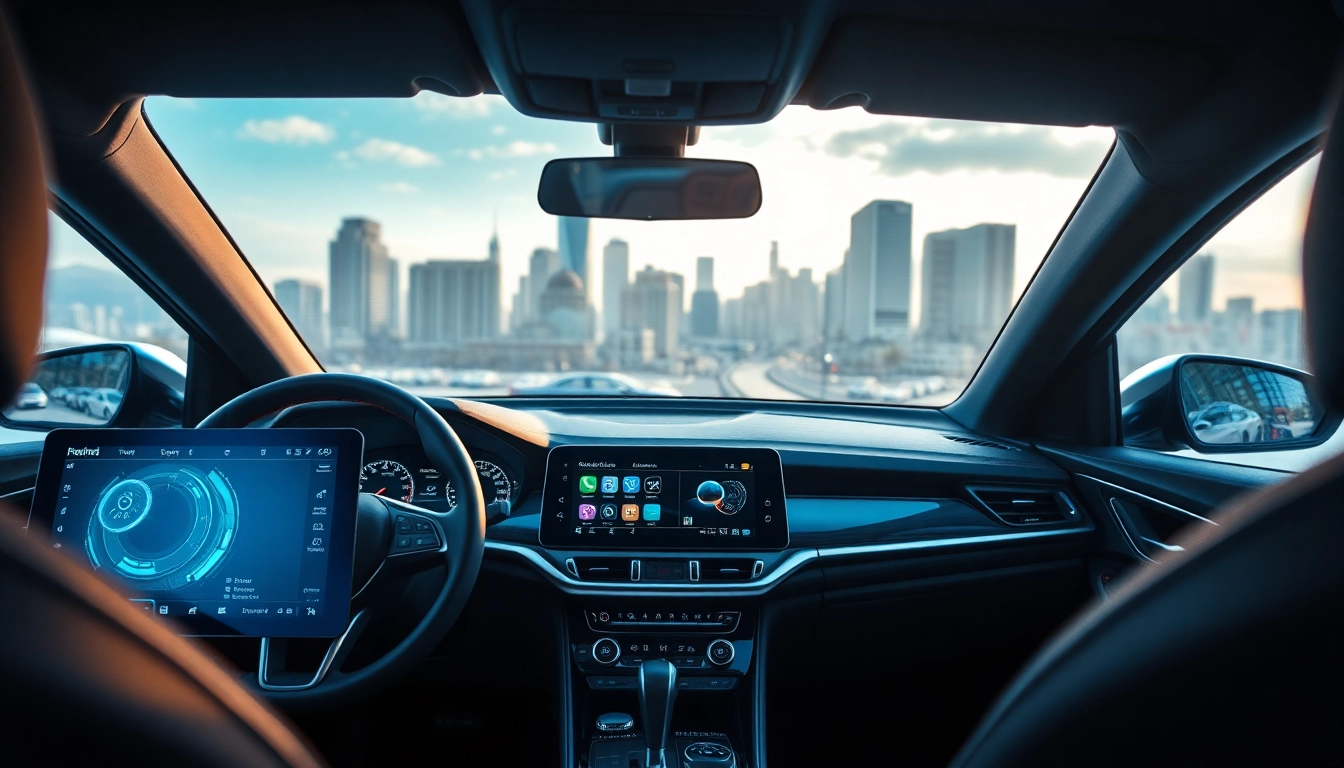
As vehicles become increasingly embedded with advanced technology and connectivity systems, the door to potential hacking becomes wider. Many modern cars feature internet access, GPS systems, and sophisticated onboard computers which can communicate with external networks. While this technology enhances user experience through features like real-time traffic updates and remote diagnostics, it also introduces vulnerabilities. The ability to remotely access vehicle systems necessitates robust security measures and awareness.
Why Understanding Car Hacking is Essential
Understanding car hacking is crucial for multiple reasons. With the rising number of connected vehicles on the roads, the potential for exploitation increases significantly. Awareness allows vehicle owners to take proactive security measures. Furthermore, as car manufacturers explore autonomous and semi-autonomous driving technologies, the stakes are higher. Any failure or exploitation of these technologies can have catastrophic results. Comprehensive knowledge of car hacking not only helps in protecting personal vehicles but also contributes to a safer road environment for everyone. Resources and discussions regarding this topic can often be found at https://car-hack-world.com.
The Techniques Behind Car Hacking
Common Vulnerabilities in Modern Vehicles
Modern vehicles often share numerous common vulnerabilities, primarily due to their reliance on integrated technology. These vulnerabilities can include:
- Insecure wireless communications: Many vehicles utilize Wi-Fi or Bluetooth technology for connectivity. If these protocols lack robust encryption, they become susceptible to interception.
- Weak authentication protocols: Insufficient authentication procedures for accessing vehicle APIs can allow unauthorized users to interact with the vehicle's systems.
- Outdated software: Just like computers, vehicles require periodic updates to their software. Failing to address these updates can leave systems open to exploitation.
- Physical access vulnerabilities: A physically compromised vehicle, whether through a keyless entry exploit or direct access to the onboard diagnostic port, can lead to significant threats.
Methods Used by Car Hackers
Hackers employ a variety of methods to exploit these vulnerabilities, some of which include:
- Remote access: Utilizing tools to connect through wireless signals, hackers can gain control over a vehicle without ever needing physical access.
- Malware installations: Through USB drives or compromised mobile applications, hackers can craft malware specifically designed to target vehicle systems.
- Social engineering: This method hinges on exploiting human psychology rather than technical vulnerabilities. For example, tricking a vehicle owner into providing sensitive information.
- Pentest methodologies: Security experts often conduct penetration tests to find vulnerabilities. Unfortunately, malicious actors can use similar methods to breach systems.
The Role of Software in Vehicle Security
Software plays a pivotal role in the security of modern vehicles. As more functions become digitalized, software errors or vulnerabilities can lead to severe risks. Vehicle manufacturers implement various software-defined security measures, including:
- Encryption: Protecting data transmissions with strong encryption algorithms makes it difficult for unauthorized users to access sensitive data.
- Anomaly detection systems: These systems monitor regular vehicle behavior and can raise alerts when anomalous activities are detected.
- Regular updates: Vehicle manufacturers are increasingly providing over-the-air (OTA) updates to address identified vulnerabilities and improve software resilience.
How to Protect Yourself Against Car Hacking
Best Practices for Vehicle Security
To safeguard against potential hacking threats, vehicle owners can adopt various best practices:
- Secure your vehicle key fob: Consider utilizing a faraday pouch to protect against relay attacks on keyless entry systems.
- Monitor software updates: Regularly check for updates from your vehicle manufacturer and install them as soon as they're available.
- Limit connectivity: Disable unnecessary Bluetooth and Wi-Fi connections to reduce exposure to vulnerabilities.
- Use strong authentication: If your vehicle offers it, use multi-factor authentication for apps linked to your vehicle’s systems.
Tools and Technologies for Enhanced Protection
Numerous tools and technologies can enhance vehicle security:
- Security software: Some third-party solutions offer additional security layers tailored for connected devices, including vehicles.
- Vulnerability scanners: These tools can detect potential vulnerabilities within vehicle networks and systems, aiding in proactive security measures.
- Intrusion detection systems: Specialized systems designed to monitor network traffic and identify uncommon patterns indicative of hacking attempts.
What to Do if You Suspect Hacking
If you suspect your vehicle has been hacked, take immediate action:
- Document the symptoms: Record any unusual behavior your vehicle exhibits, such as unauthorized actions or warning lights.
- Consult a professional: Reach out to your vehicle's manufacturer or a certified automotive cybersecurity expert for assistance.
- Change access codes: For connected vehicles, change all passwords associated with vehicle accounts immediately.
The Future of Automotive Cybersecurity
Evolving Threat Landscapes for Connected Cars
As technology further integrates into driving and manufacturing processes, the threat landscape continues to evolve. Future hackers may target vehicle-to-vehicle (V2V) communication systems, self-driving functionalities, and shared transportation services. A dynamic approach to security will be essential in addressing these emerging threats.
Innovations in Automotive Security Technologies
The automotive industry is investing in various innovations to enhance security, including:
- Blockchain technology: Leveraging blockchain can provide a highly secure method for vehicle data management and transactions, minimizing the risk of tampering.
- Machine learning: Advanced machine learning algorithms can detect and respond to atypical usage patterns to prevent breaches proactively.
- Enhanced hardware security: Developing hardware components with built-in security features can provide more robust defenses against hacking attempts.
Future Trends in Car Hacking Prevention
As the landscape of car hacking evolves, future trends may include:
- Proactive rather than reactive measures: The shift towards predictive maintenance and threat awareness will redefine security protocols.
- Increased regulatory scrutiny: Governments may impose stricter cybersecurity regulations for automotive manufacturers, emphasizing robust security to protect consumers.
- Community engagement: Engaging with communities and fostering discussions around cybersecurity awareness will bolster defenses against potential attacks.
Conclusion and Call to Action
Summarizing the Importance of Security Awareness
Car hacking poses significant risks that are becoming increasingly relevant in today’s technological landscape. Recognizing these threats and understanding how to safeguard your vehicle not only protects you but contributes to the overall safety of our communities. Awareness and proactive engagement are essential in combating these risks.
Engaging with the Community at https://car-hack-world.com
Joining conversations and platforms dedicated to automotive cybersecurity can enhance your knowledge and increase awareness around car hacking.
Final Thoughts on Safeguarding Your Vehicle
Staying informed, employing security best practices, and continually engaging with new developments in automotive technology are vital steps for vehicle owners today. Cybersecurity is no longer an afterthought but a necessary component of modern vehicle ownership.