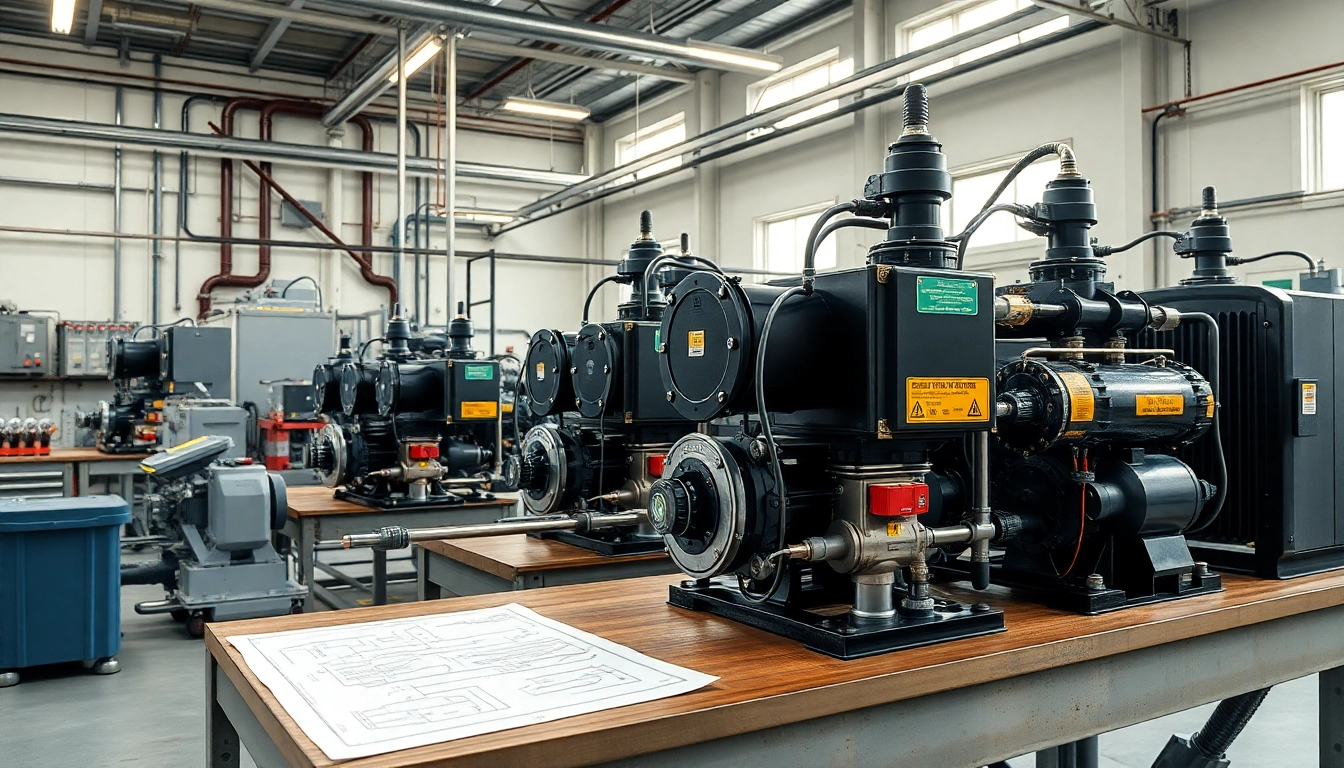
1. Introduction to Fluid Power Systems
What are Fluid Power Systems?
Fluid power systems utilize fluids—typically hydraulic oils or pneumatic gases—to transmit power and perform various tasks in industrial applications. By applying fluid dynamics principles, these systems convert pressure energy into mechanical force, enabling efficient operation of machinery such as lifts, presses, and robots. The versatility and efficiency of fluid power systems make them integral to modern engineering and manufacturing sectors.
Key Applications of Fluid Power Systems
Fluid power systems are ubiquitous across numerous industries. Key applications include:
- Construction: Hydraulic cranes and excavators use fluid power to lift heavy loads and accomplish tasks requiring extraordinary force.
- Aerospace: Aircraft control systems leverage hydraulic actuators for precise movements.
- Manufacturing: Robotic arms and automated machinery rely on fluid power for dexterous assembly and fabricating processes.
- Automotive: Automotive production involves hydraulic presses for shaping and assembling components.
Benefits of Fluid Power Systems in Industry
Fluid power systems offer several advantages that enhance operational efficiency:
- Power-to-Weight Ratio: They provide high power outputs even at lower weights compared to electrical systems.
- Precision Control: These systems allow for fine control over movements, enhancing the quality of outputs.
- Flexibility: Fluid power systems can drive various types of machinery with different force needs.
- Reliability: Systems are robust, often requiring less maintenance than mechanical alternatives.
2. Key Components of Fluid Power Systems
Hydraulic Pumps: Types and Functions
At the heart of any hydraulic circuit is the pump, which converts mechanical energy into hydraulic energy. The primary types of hydraulic pumps include:
- Gear Pumps: Known for their simplicity and efficiency, these pumps offer a constant flow rate and are suitable for high-pressure applications.
- Piston Pumps: These pumps can produce high pressures and flow rates, making them ideal for demanding tasks.
- Vane Pumps: These offer a good compromise between cost and performance, often used in moderate-pressure applications.
Valves and Actuators in Fluid Power Systems
Valves are critical for controlling and directing fluid flow within hydraulic systems. Two major types include:
- Control Valves: These regulate the flow and pressure of the fluid, allowing for precise movement of actuators.
- Directional Valves: Responsible for directing fluid to the appropriate actuator, enabling multiple operational functions.
Actuators convert hydraulic energy back into mechanical motion, and they can be classified into:
- Hydraulic Cylinders: Provide linear motion and are commonly used in presses and lifts.
- Hydraulic Motors: Deliver rotary motion, essential for applications such as conveyor systems.
Fluid Power System Components: A Breakdown
A comprehensive fluid power system often comprises various interconnected components, including:
- Reservoirs: Store hydraulic fluid, ensuring the system operates continuously without interruption.
- Filters: Remove contaminants from hydraulic fluid to protect sensitive components.
- Hoses and Fittings: Transport hydraulic fluid efficiently between components while maintaining pressure.
3. Operating Principles of Fluid Power Systems
How Fluid Power Systems Generate Force
Fluid power systems generate force based on Pascal's principle, which states that pressure applied to a confined fluid transmits undiminished throughout the fluid. This principle enables these systems to multiply force effectively, which is particularly advantageous when lifting heavy loads with minimal effort.
Understanding Fluid Dynamics in Systems
An understanding of fluid dynamics is essential for achieving optimal system performance. Key concepts include:
- Flow Rate: The volume of fluid that passes through a system per unit of time, typically measured in liters per minute (L/min).
- Pressure: The force exerted by the fluid per unit area, influencing the selection of components and overall system design.
Control Mechanisms in Fluid Power Technology
Control mechanisms within fluid power systems ensure precise operation. These can include electronic controls integrated with hydraulic systems, allowing for automation and enhanced functionality, such as real-time adjustments based on system feedback.
4. Maintenance Best Practices for Fluid Power Systems
Preventive Maintenance Strategies
To maximize efficiency and longevity, implementing a rigorous preventive maintenance program is crucial. Key strategies include regular inspections, fluid level checks, and timely replacement of worn components. Keeping a maintenance log detailing the performance and repair history helps identify trends and potential issues before they become significant problems.
Common Issues and Troubleshooting Techniques
Common issues in fluid power systems such as fluid leaks, pressure drops, or unresponsive actuators can often be traced to specific components. Troubleshooting involves:
- Inspecting Connections: Look for signs of wear or damage in hoses and fittings.
- Fluid Quality Checks: Assessing the fluid for contamination or degradation.
- Component Testing: Using pressure gauges and flow meters to diagnose the source of issues.
Optimizing Efficiency in Fluid Power Systems
To enhance system efficiency, consider implementing variable speed drives, selecting the right pump size, and minimizing pressure losses in the lines. Additionally, using advanced fluid power solutions such as accumulators can store excess energy for improved performance during peak demand periods.
5. Future Trends in Fluid Power Systems
Innovations in Fluid Power Technology
Ongoing innovations in fluid power technology include the development of more efficient hydraulic fluids, advanced sensor technologies for better performance monitoring, and smart actuators that can adapt to varying loads and demands. These advances significantly enhance the functionality and reliability of fluid power systems.
Impact of Automation on Fluid Power Systems
The rise of automation is fundamentally transforming the landscape of fluid power systems. Automated control systems, combined with real-time data analytics, allow for quick adaptations to changing operational conditions, improving efficiency and safety across various applications.
Eco-Friendly Solutions in Fluid Power
As industries move towards sustainability, eco-friendly solutions in fluid power systems are becoming critical. Innovations include bio-based hydraulic fluids that are less harmful to the environment and systems designed for energy recovery, which convert wasted hydraulic energy into usable power.
Frequently Asked Questions
What are the main advantages of fluid power systems?
Fluid power systems offer high power-to-weight ratios, precise control, flexibility for various applications, and enhanced reliability compared to mechanical systems.
What industries commonly use fluid power systems?
Industries such as construction, aerospace, manufacturing, and automotive heavily utilize fluid power systems for their machinery and operations.
How do hydraulic pumps work?
Hydraulic pumps convert mechanical energy into hydraulic energy by drawing fluid from a reservoir and pressurizing it through various mechanisms, such as gears or pistons.
What are common maintenance practices for fluid power systems?
Preventive maintenance practices include regular inspections, fluid level checks, replacing worn components, and keeping detailed maintenance logs.
What is the future of fluid power systems?
The future includes innovations in efficiency, increased automation, and the adoption of eco-friendly solutions to meet sustainability goals in various industries.