Introduction to Nepal Prayer Flags
Nepal prayer flags are not merely colorful pieces of cloth; they embody profound spiritual meanings and rich traditions rooted in Buddhist and Hindu practices. These flags, often seen fluttering in the wind at sacred sites, mountain passes, and households across Nepal, serve as a means to promote peace, compassion, and wisdom. Intriguingly, the flags come in various colors and designs, each intricately linked to specific beliefs and hopes for the community. This article delves deep into the essence of Nepal prayer flags, exploring their history, symbolism, proper usage, environmental considerations, and the spiritual connection they foster.
Understanding the significance of nepal prayer flags goes beyond aesthetics; it is about connecting with a broader cultural and spiritual heritage. By examining the historical background and the thoughtful craftsmanship behind these flags, we can appreciate their importance in Nepalese culture and beyond.
Historical Background of Nepal Prayer Flags
The origins of Nepal prayer flags date back over a thousand years, primarily linked to Tibetan Buddhism, which significantly influences Nepal's spiritual landscape. Traditional prayer flags, known as "Lung-ta" or "Wind Horse," symbolize the speed of the wind carrying prayers and mantras to the four corners of the world. Historically, these flags were used in various rituals and ceremonies, often blessing the surrounding environment.
Initially, prayer flags were made from wool or silk and hand-painted with symbols and mantras by skilled artisans. As Buddhism spread, the practices of creating and hanging prayer flags transformed, absorbing local customs and influences. Today, cotton material is more commonly used, making the flags accessible for widespread use. The evolution reflects the adaptive nature of spiritual practice in Nepal and its reverence for traditional beliefs.
Materials and Design Features
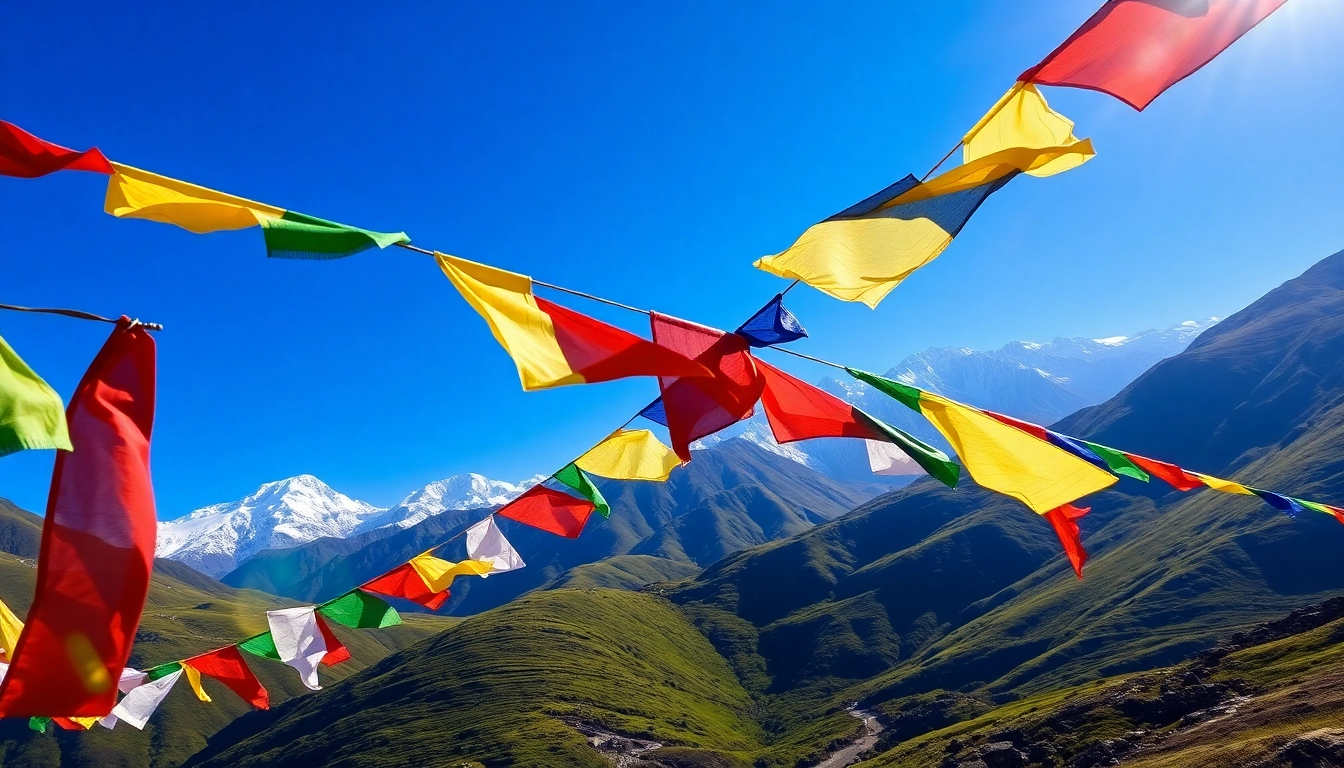
Nepal prayer flags are traditionally crafted from natural materials such as cotton, silk, and sometimes hemp, embodying the essence of the natural world in their design. The most common flags are rectangular pieces of cloth that come in sets of five, each color representing one of the five elements and their associated qualities.
- Blue: Represents the sky and promotes peace.
- White: Symbolizes air and purity.
- Red: Stands for fire and the energy of life.
- Green: Denotes water and balance.
- Yellow: Symbolizes earth and grounding.
The careful printing of mantras and images on each flag is not merely decorative; it is a spiritual practice. The Tibetan script adorns the flags with prayers, invoking blessings for health, happiness, and prosperity. The vibrant colors, their arrangement, and the harmonious blend of mantras collectively create a visual representation of the hopes of the community.
Placement and Usage of Nepal Prayer Flags
The placement of Nepal prayer flags is imbued with significance, as their location influences the blessings they bestow. Displaying these flags at strategic locations allows them to harness the wind's energy, which is believed to carry the prayers and messages contained within them.
Traditional Locations for Hanging Flags
Traditionally, Nepal prayer flags are hung in several key locations. Some of the most common places include:
- Near temples or monasteries
- On mountain tops, symbolizing the connection between the earth and the heavens
- In homes to bless the living space with health and happiness
- Along trekking routes, inviting good fortune for travelers
These locations reflect a historical understanding of the natural world and the desire to connect with higher energies, making the flags not just decorative objects but conduits for spiritual practice.
Seasonal and Ritual Timing for Display
There are specific times and seasons when the display of Nepal prayer flags is particularly meaningful. For example, during religious festivals such as Buddha Jayanti or the New Year, hanging new flags is a common practice to invite fresh blessings. Other than festivals, flags are often replaced at the beginning of the monsoon season, as the heavy rainfall can weather the fabric, causing it to deteriorate. This cyclical replacement ensures that prayers remain active in the community.
In addition, certain rituals involving the suspension of the flags are aimed at enhancing spiritual energy in preparation for significant events like weddings, births, or community gatherings, emphasizing the communal aspect of these sacred items.
Community Customs Surrounding Nepal Prayer Flags
Communities in Nepal exhibit rich customs surrounding prayer flags that bind them together in shared beliefs and practices. It is common for families to come together to raise prayer flags after important life events, reinforcing connections with both ancestry and modern spirituality.
In some regions, there are collective ceremonies held when a new set of flags is installed. This practice emphasizes community involvement and the shared intention behind the prayer flags, elevating their purpose beyond personal use to a communal benefit. Different ethnic groups may also have unique practices that accompany the use of these flags, adding layers of diversity to their use and meaning.
Crafting Your Own Nepal Prayer Flags
Creating your Nepal prayer flags can be a rewarding way to connect with the tradition and personalize your expressions of intention and spirituality. By following some guidelines, you can create meaningful flags that resonate with your personal wishes or community goals.
Choosing the Right Materials
The first step in crafting your Nepal prayer flags is selecting the appropriate materials. Natural fabrics like cotton or hemp are ideal, as they not only align with traditional practices but also support sustainability. Choosing fabric with a weight that allows it to flutter gracefully in the wind will enhance the aesthetic and pragmatic aspect of your flags.
In addition to fabric, you will need dyes or paints suited for outdoor use. Non-toxic, eco-friendly options are preferable, reflecting a commitment not just to individual care but to community responsibility as well.
Design Tips for Personalization
When it comes to designing your prayer flags, there are several creative approaches you can take. Consider incorporating personal symbols or mantras that resonate with you or your community. These can range from universal symbols of love and peace to personalized images that reflect your unique aspirations.
- Mantras: Choose short, powerful mantras that mean something to you, like "Om Mani Padme Hum," a popular Tibetan Buddhist mantra.
- Symbols: Incorporate natural elements like lotus flowers,representing purity, or the wheel of dharma, symbolizing the path of enlightenment.
- Color Schemes: Use the aforementioned color meanings to create flags that harmoniously represent the energies you wish to invoke.
Personalization transcends aesthetics; it connects you to the spiritual significance of the flags, allowing this ritual to resonate on a deeper level.
Cultural Practices in DIY Projects
Crafting Nepal prayer flags at home can be a communal activity that fosters connection and creativity. Consider inviting friends or family to join in a flag-making workshop, where you can share ideas and intentions. Hosting such an event embraces cultural practices and strengthens social ties, as flag creation has traditionally served as a marker of community generosity and goodwill.
Incorporating storytelling or discussions about the significance of the flags during the creation process enriches the experience. This can serve as both a learning opportunity and a means to deepen your spiritual engagement, ensuring that both artistry and cultural values inspire your work.
Environmental Impact and Sustainability
A growing awareness of sustainable practices calls for a thoughtful approach to crafting and using Nepal prayer flags. As spiritual symbols, it's crucial to respect the environmental aspects of their production and lifecycle.
Choosing Eco-Friendly Materials
When creating or purchasing Nepal prayer flags, it is essential to opt for eco-friendly materials. The shift towards organic cotton and hemp reflects a commitment to sustainably sourced materials that minimize harm to the environment. Look for local artisans who prioritize sustainable practices, as this supports not only eco-consciousness but also the local economy.
Using natural dyes and avoiding synthetic alternatives further reduces the environmental impact and ensures that your flags are biodegradable, aligning with the intention of promoting harmony in nature.
Impact of Weather on Nepal Prayer Flags
Exposure to the elements can take a toll on Nepal prayer flags over time. Sunlight can fade colors, while rain and wind can cause wear and tear. Regular maintenance, such as removing and washing flags, can prolong their lifespan, but ethically conscious disposal when they no longer serve their purpose is crucial.
Moreover, some communities have developed rituals around the recycling of flags, turning this necessity into an opportunity for spiritual renewal. Embracing such practices can enhance community awareness around sustainability while maintaining respect for the flags' significance.
Disposing of Damaged Flags Respectfully
When Nepal prayer flags become damaged beyond repair, disposing of them respectfully is a crucial aspect of the cultural practice. Traditional customs dictate that the proper way to dispose of worn-out flags includes burning them in a sacred space, thus returning their spiritual essence to the universe.
Alternatively, some communities may choose to bury the flags in a meaningful location. Offering a small prayer or blessing during this process enhances closure and reinforces the belief that the flags served their purpose of disseminating good wishes and prayers.
Connecting with Spiritual Practices through Nepal Prayer Flags
Nepal prayer flags serve as powerful tools for connecting with spiritual practices, often enhancing meditation and blessing rituals. Through their vibrant colors and potent symbolism, these flags can inspire mindfulness and intention setting.
The Role of Flags in Meditation and Blessings
Incorporating Nepal prayer flags into your meditation practices can deepen your spiritual experience. Placing flags at your meditation space can create an atmosphere rich with intention, and the subtle flutter of the flags in the breeze can serve as a grounding practice, bringing awareness to the present moment.
As you meditate, visualize the prayers and intentions written on the flags manifesting in your life and the lives of others. This practice allows for a tangible connection with the intentions, creating a reciprocal flow of energy between you and the flags themselves.
Guided Rituals Using Prayer Flags
Engaging in guided rituals with Nepal prayer flags can amplify their spiritual presence. One effective ritual is the "Prayer Flag Ceremony," where participants gather around newly hung flags and recite prayers or mantras aloud. This collective action not only strengthens the community bond but also invokes a shared intention of peace and prosperity.
Another method includes writing personal wishes on pieces of paper and tying them to the prayer flags, transforming them into personal prayer offerings. Rituals like these can enhance your connection with the truest spirit of the flags, facilitating personal growth and collective blessings.
Personal Stories of Faith and Expression
Stories surrounding Nepal prayer flags often emphasize personal faith journeys and expressions of spirituality. Many individuals recount how the act of hanging prayer flags has marked important life transitions or served as a reminder of the values they wish to embody.
These personal narratives demonstrate the flags' power as tools for reflection, motivation, and a sense of continuity within cultural practices, offering insights into the diverse experiences and interpretations tied to the love and prayers embodied in the flags. Sharing these stories not only honors the tradition but can inspire others to forge their spiritual connections through similar practices.
Conclusion
Nepal prayer flags are far more than mere decorations; they represent a rich cultural heritage steeped in spirituality and community values. By understanding their history, symbolism, and proper usage, we can engage with these vibrant artifacts more meaningfully. Whether you choose to craft your own flags or participate in communal customs, the intention behind each flag carries the potential to promote peace and goodwill, both within ourselves and in the larger world. Through this exploration, we honor the living tradition of Nepal prayer flags, continually connecting with their essence in our lives.