What is Structural Steel Fabrication?
Definition and Importance
Structural steel fabrication is the process of cutting, shaping, and assembling steel to create structures that support buildings, bridges, and other infrastructures. This vital process involves taking raw steel and transforming it into usable components that meet specific engineering and architectural requirements. The importance of structural steel fabrication lies in its critical role in construction, providing the backbone for many modern structures due to its unmatched strength, durability, and versatility.
As a key element in construction, structural steel fabrication contributes not only to the physical integrity of structures but also to their aesthetic appeal. The ability to employ innovative designs and complex geometries has made structural steel a favorite among architects and engineers. Additionally, the structural steel fabrication industry is constantly evolving, focusing on improving efficiency and sustainability practices to meet both current and future demands.
Applications in Construction
Structural steel fabrication is used in various applications across the construction industry. It serves as a foundation for skyscrapers, factories, warehouses, bridges, and even residential buildings. The unique properties of steel, such as high tensile strength and corrosion resistance, make it an ideal choice for both permanent and temporary structures. Examples of applications include:
- Commercial Buildings: High-rises and office complexes often utilize steel frames for enhanced load-bearing capacity.
- Industrial Structures: Factories and warehouses benefit from the strength and flexibility of steel, allowing for large spans and open floor plans.
- Architectural Features: Steel is often used in unique architectural designs, such as intricate facades and roofing systems.
- Infrastructure Projects: Bridges, overpasses, and parking garages rely on structural steel for durability and longevity.
Key Materials Used
The main materials used in structural steel fabrication include various grades of steel, each providing unique properties that cater to specific structural needs. The most common materials are:
- Carbon Steel: The most widely used material in construction, available in various grades suited for different applications.
- Alloy Steel: Contains additional elements that improve specific properties, such as strength, toughness, and corrosion resistance.
- Stainless Steel: Known for its corrosion resistance, making it ideal for structures exposed to harsh environments.
- Reinforced Steel: Often combined with concrete to improve structural integrity in buildings and bridges.
The Process of Structural Steel Fabrication
Initial Design Considerations
The fabrication process begins with a comprehensive design phase, where architects and engineers collaborate to outline the project's specifications. Initial considerations include load requirements, environmental impact, aesthetic aspects, and regulatory compliance. Using advanced software tools like Building Information Modeling (BIM), professionals can visualize and optimize designs before fabrication begins, ensuring that all structural elements interact seamlessly.
Fabrication Techniques Explained
Once designs are finalized, the fabrication process can proceed, which typically involves several key techniques:
- Cutting: Steel sections are cut to specified lengths and shapes using methods such as plasma cutting, laser cutting, or traditional saws.
- Bending: Steel components are shaped to form angles and curves using hydraulic or mechanical bending machines.
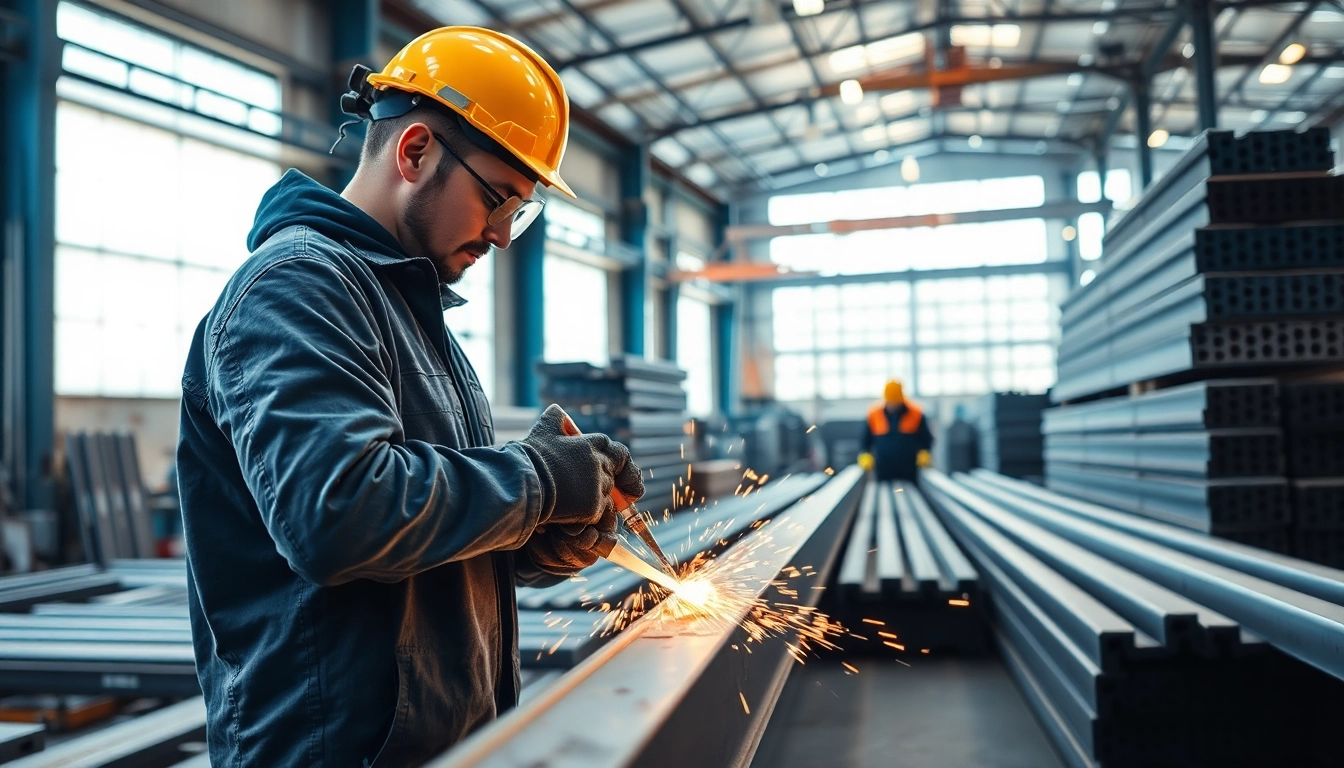
- Welding: Joints are formed by melting the base metal and adding filler material, producing strong, permanent connections.
- Coating: Steel is often coated with protective finishes to enhance corrosion resistance and aesthetic appearance.
Quality Control Measures
Quality control is an essential aspect of structural steel fabrication, ensuring that all components meet the necessary safety and performance standards. Various measures may include:
- Material Testing: Tests such as tensile strength, hardness, and impact resistance are conducted on raw materials.
- Welding Inspections: Non-destructive testing methods, such as ultrasonic and radiographic testing, check for flaws in weld joints.
- Dimensional Verification: Physical measurements are taken to confirm that components match design specifications.
Best Practices in Structural Steel Fabrication
Sustainability Considerations
The fabrication industry is progressively adopting sustainable practices to minimize its environmental impact. Key sustainability considerations include:
- Recycling: Steel is one of the most recycled materials globally, with vast quantities reused in new projects, reducing the demand for raw materials.
- Energy Efficiency: Optimizing fabrication processes to reduce energy consumption enhances overall sustainability.
- Material Optimization: Using advanced software can minimize waste by maximizing material usage and reducing scrap during fabrication.
Safety Protocols in the Workshop
Safety is paramount in structural steel fabrication workshops, where workers are exposed to heavy machinery and hazardous materials. Effective safety protocols include:
- Personal Protective Equipment (PPE): Mandatory use of helmets, gloves, goggles, and steel-toed boots to protect workers from injuries.
- Machinery Training: Ensuring all employees are adequately trained to operate equipment safely.
- Emergency Procedures: Developing and regularly updating emergency response plans to prepare for accidents or injuries.
Utilizing Technology for Efficiency
Technology plays a crucial role in enhancing the efficiency of structural steel fabrication. Some key advancements include:
- Automation: Automated cutting and welding machines streamline production, reduce labor costs, and improve precision.
- 3D Printing: Emerging methods like 3D printing are being utilized for creating prototypes and custom components.
- Project Management Software: Tools that facilitate project tracking, scheduling, and communication among team members.
Common Challenges in Structural Steel Fabrication
Material Sourcing Issues
One of the significant challenges faced in structural steel fabrication is sourcing materials. Fluctuations in raw material prices and supply chain disruptions can affect production schedules. To mitigate these issues, manufacturers can:
- Establish relationships with multiple suppliers to ensure a steady material supply.
- Implement inventory management systems that provide real-time updates on stock levels.
Workforce Skills and Training
The lack of skilled workers is another pressing challenge within the sector. As the industry evolves with new technologies and methods, ongoing training is essential. Companies can address this challenge by:
- Investing in apprenticeship programs to develop the skills of new entrants to the workforce.
- Providing continuous education and training opportunities for existing staff to keep up with industry advancements.
Project Management Obstacles
Coordinating a steel fabrication project can be complex, with numerous parties involved, including suppliers, contractors, and design teams. Challenges may arise from miscommunication or delays. Effective strategies to manage these obstacles include:
- Utilizing project management software to maintain clear timelines and shared information among stakeholders.
- Conducting regular meetings to address concerns and adjust plans as issues arise.
Future Trends in Structural Steel Fabrication
Advancements in Materials
As the construction industry evolves, so does the focus on innovative materials. Future advancements may include:
- High-Performance Alloys: Developing new steel alloys that offer enhanced strength, reduced weight, and improved resistance to environmental factors.
- Smart Steel: Integrating sensors into steel components to monitor structural integrity in real-time.
Automation and Robotics
The increase in automation and robotics within fabrication processes promises substantial improvements in efficiency and quality. The benefits include:
- Reduction in human error and variability in production.
- Faster production times and the ability to handle repetitive tasks with precision.
Emerging Markets and Demand
As urbanization continues worldwide, there will be a growing demand for high-quality steel fabrication. Emerging markets, particularly in Asia and Africa, are set to drive the demand as they develop their infrastructure. Companies that adapt to these trends by scaling their operations and diversifying their offerings are likely to benefit the most.