What Are Wildfire Events?
Definition and Overview
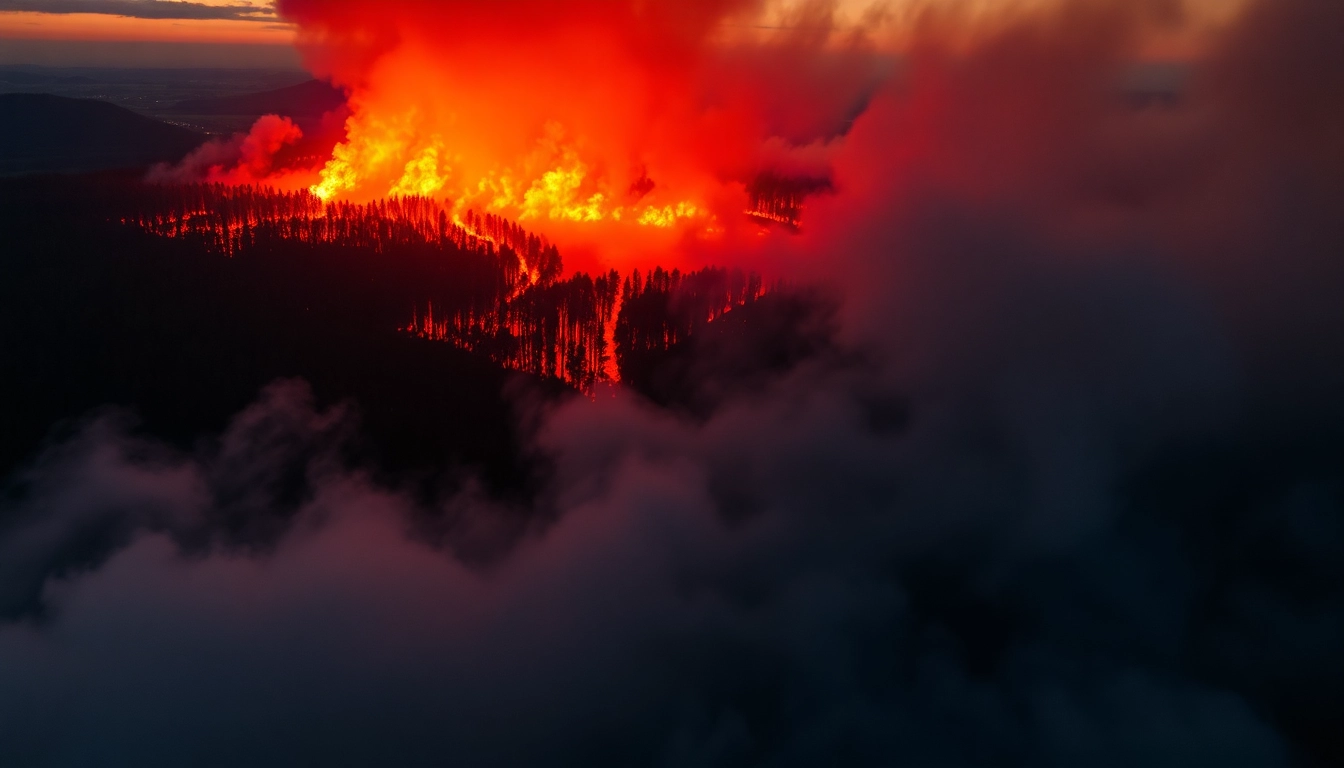
Wildfire events are uncontrolled fires that occur predominantly in wildland areas. These fires can destroy ecosystems, threaten wildlife, and significantly impact human life and property. They typically arise from natural causes like lightning strikes or human activities such as discarded cigarettes and unattended campfires. Wildfire events can also include prescribed burns intended to manage forest health but can become uncontrolled under certain conditions.
They are a subject of increasing concern due to climate change, which has altered weather patterns, resulting in longer fire seasons and more intense fire behavior. Understanding Wildfire events is crucial for developing effective fire management strategies and community preparedness plans.
Common Causes of Wildfire Events
Wildfire events can be initiated by various factors. Here are some of the most common causes:
- Natural Causes: Lightning strikes are the most common natural cause of wildfires. These can ignite trees, brush, and grasses during thunderstorms.
- Human Activities: Arson, unattended campfires, discarded cigarettes, and sparks from machinery can all ignite wildfires.
- Electrical Equipment: Power lines can spark wildfires, especially during windy conditions when branches come into contact with the lines.
- Climate Conditions: Drought, excessive heat, and low humidity can create optimal conditions for wildfires to start and spread rapidly.
Environmental Conditions for Wildfire Events
Certain environmental conditions significantly contribute to the occurrence and intensity of wildfire events. Here’s an overview of these conditions:
- Vegetation: Forests, grasslands, and shrublands that are dense and dry serve as ample fuel for wildfires.
- Weather: High temperatures, strong winds, and low humidity create an environment conducive to wildfires. Wind can further spread flames rapidly across vast areas.
- Topography: Steep slopes can lead fires to spread more quickly, as flames can move to higher elevations where dry vegetation is present.
- Soil Moisture: Drier soils, often resulting from prolonged drought, can lead to increased wildfire risks as vegetation becomes dryer and more flammable.
Historical Wildfire Events and Their Consequences
Case Studies of Notable Wildfire Events
Throughout history, several wildfire events have had devastating impacts on ecosystems and human communities. Here are a few notable case studies:
- Peshtigo Fire (1871): The deadliest wildfire in recorded history, it occurred in Wisconsin, claiming over 1,500 lives and destroying the town of Peshtigo.
- Great Chicago Fire (1871): While primarily known for urban destruction, this fire, which started amid a period of drought, had far-reaching implications on fire regulation policies.
- Black Saturday Bushfires (2009): In Australia, these fires resulted in 173 fatalities, with significant damage to infrastructure, prompting a reevaluation of fire management practices.
Impact on Ecosystems and Biodiversity
Wildfires can have both destructive and rejuvenating effects on the environment:
- Destruction: Loss of animal habitats and plant species can lead to decreased biodiversity, affecting entire ecosystems.
- Rejuvenation: Some fire-adapted species rely on wildfires to germinate their seeds, while fires can also clear out old vegetation, allowing new growth.
Community Responses to Historical Wildfire Events
Communities have responded to significant wildfire events with varied approaches, including:
- Policy Changes: Following large-scale disasters, regulations surrounding land use, firefighting resources, and forest management are typically reassessed.
- Community Readiness Programs: Initiatives that enhance community engagement in wildfire preparedness and prevention.
- Reconstruction Efforts: Post-wildfire recovery often involves rebuilding infrastructure, restoring landscapes, and assisting affected populations.
The Role of Climate Change in Wildfire Events
How Climate Change Influences Wildfire Frequency
Climate change has emerged as a critical factor increasing wildfire frequency and intensity. Here are key points to consider:
- Temperature Increases: Rising global temperatures contribute to longer and more intense fire seasons.
- Drought Conditions: Enhanced drought conditions lead to drier woodlands, making them susceptible to ignitions.
Relationship Between Weather Patterns and Wildfire Events
Weather patterns driven by climate change impact the dynamics of wildfire events:
- Extreme Weather: Sudden storms followed by dry spells can create conditions ripe for wildfires.
- Wind Patterns: Changes in wind patterns can exacerbate fire spread, complicating suppression efforts.
Predictions for Future Wildfire Events
Future wildfire events are anticipated to become increasingly frequent and severe. Predictions suggest:
- More Frequent Wildfires: Research indicates potential for increased instances of major wildfires in previously unaffected areas.
- Longer Fire Seasons: Extended dry seasons may lead to longer periods of fire vulnerability, requiring enhanced readiness from communities.
Prevention and Preparedness Strategies for Wildfire Events
Effective Fire Management Techniques
Adopting fire management techniques can significantly mitigate the risk of wildfire events:
- Controlled Burns: Managing vegetation through prescribed burns helps prevent larger, uncontrollable wildfires.
- Creating Defensible Spaces: Clear zones around properties and structures can inhibit fire spread.
Community Engagement in Wildfire Prevention
Communities play a critical role in wildfire prevention through:
- Education Programs: Informational campaigns about safe outdoor practices help reduce human-caused ignitions.
- Neighborhood Preparedness Plans: Collaborating on local fire plans fosters resilience and encourages community involvement.
Resources for Awareness and Training
Numerous resources are available to enhance wildfire awareness and training:
- Government Agencies: Local fire departments and forestry divisions provide guidance on fire safety and prevention.
- Online Resources: Websites and modules offer courses on wildfire preparedness for communities.
Recovery and Restoration After Wildfire Events
Steps to Rebuild Affected Communities
The recovery process post-wildfire involves several key steps:
- Assessment of Damaged Areas: Conducting surveys to determine the extent of damage is crucial for effective planning.
- Community Support Initiatives: Providing assistance to displaced families fosters psychological and economic recovery.
Ecological Restoration Following Wildfire Events
Restoration of ecosystems is essential for returning landscapes to their natural state:
- Reforestation Efforts: Planting native species supports biodiversity recovery after fires.
- Habitat Restoration: Strategies aimed at rehabilitating wildlife habitats can help restore the ecosystem balance.
Long-term Recovery Strategies for Affected Areas
Long-term recovery from wildfire events includes developing comprehensive plans for:
- Risk Assessment: Regular evaluations of fire risks can help inform future land management practices.
- Infrastructure Development: Investing in fire-resistant structures and community resources enhances resilience to future fires.
FAQs about Wildfire Events
What causes a wildfire?
Wildfires can be caused by natural events like lightning or human activities such as campfires, arson, and discarded cigarettes.
How do climate change affect wildfires?
Climate change leads to rising temperatures and prolonged droughts, creating optimal conditions for more frequent and intense wildfires.
What is the usual response after a wildfire?
Post-wildfire responses typically include damage assessments, community support initiatives, and ecological restoration efforts.
Why is biodiversity important after a wildfire?
Biodiversity is crucial for ecosystem resilience. It supports ecological balance and helps the area recover sustainably after disturbances.
How can communities prepare for wildfires?
Communities can prepare by creating defensible spaces, educating residents on fire safety, and developing neighborhood fire plans.