Understanding Automatic Cat Feeders
What is an Automatic Cat Feeder?
Automatic cat feeders are innovative devices designed to dispense food for your cat at scheduled times. They provide a convenient solution for busy pet owners who struggle to maintain a consistent feeding schedule for their furry friends. These feeders come in various forms, including gravity feeders, timed programmable feeders, and smart feeders connected to mobile apps, allowing you to manage feeding from your smartphone. An automatic cat feeder simplifies the process of feeding, ensuring your pet receives the right amount of food at the right times, even when you're not home.
Benefits of Using an Automatic Cat Feeder
Harnessing the power of technology, automatic cat feeders offer several advantages:
- Convenience: Set it and forget it! Automatic feeders can be programmed to serve meals when you are not available.
- Portion Control: Help prevent overeating by allowing you to customize portion sizes, crucial for maintaining your cat’s health.
- Consistent Feeding Schedule: Regular timing supports your cat's digestive health and overall wellbeing, mimicking a natural feeding routine.
- Reduced Stress: Many pets experience anxiety when left alone for long periods; a scheduled feeding can help alleviate this concern.
- Observation of Eating Habits: Some models include features that track how much food is consumed, providing insights into your cat’s eating patterns.
Common Features of Automatic Cat Feeders
Modern automatic cat feeders typically come loaded with features to enhance functionality:
- Programmable Meal Timers: Schedule meals up to 4-6 times a day.
- Portion Control: Dispense meals in set portions, helping to manage your pet's calorie intake.
- Voice Recorder: Many feeders allow you to record a short message to call your pet to meals, which can provide comfort and familiarity.
- Smart Technology: Wi-Fi-enabled feeders can be accessed via apps for monitoring and adjustments.
- Battery Backup: Ensures functionality during power outages.
Choosing the Right Automatic Cat Feeder
Types of Automatic Cat Feeders Available
The market offers diverse types of automatic cat feeders, each designed to cater to specific needs:
- Gravity Feeders: Simple and economical, these feeders dispense food as needed via gravity but provide less control over portion sizes.
- Timed Feeders: These allow you to set specific meal times and manage feeding amounts, perfect for routine eaters.
- Smart Feeders: Equipped with smartphone apps for monitoring eating habits, portion control, and meal scheduling remotely.
- Wet Food Dispensers: Designed for cat owners who prefer to feed wet food; these models often have refrigeration features to keep food fresh.
Factors to Consider Before Buying
Several factors will affect your choice of an automatic cat feeder:
- Cat Friendly: Ensure the feeder accommodates your cat’s mouth and features that prevent jamming.
- Food Type: Consider whether you want to use dry, wet, or a combination of food types—some feeders are not designed for wet food.
- Capacity: Look for feeders with enough capacity to hold several meals, especially if you’re frequently away from home.
- Brand Reputation: Research brands and read user reviews to find reliable options.
Top Brands and Models to Explore
If you're ready to invest in an automatic feeder, consider these top-rated brands and models:
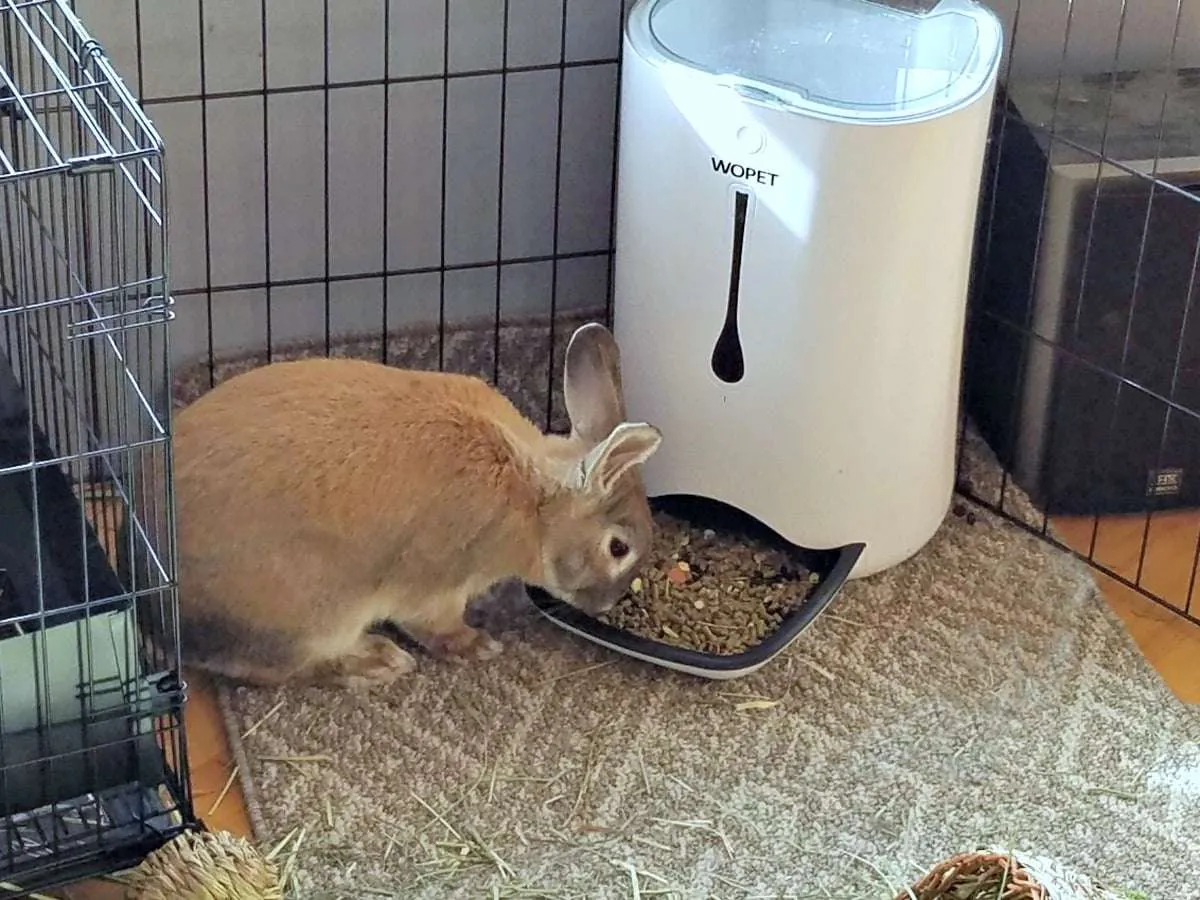
- WOPET Automatic Pet Feeder: Known for its user-friendly interface and programmable settings, ideal for busy lifestyles.
- Petlibro: Features customizable portions and is suitable for both dry and wet food.
- Petcube Bites 2: A smart feeder with a camera, allowing you to watch your pet while you’re away.
- SureFeed Microchip Feeder: Provides a perfect solution for multi-pet households by only opening for specific pets.
Setting Up Your Cat Feeder
Installation Steps for Smooth Operation
Setting up an automatic cat feeder is generally straightforward. Here’s how to ensure a smooth installation:
- Read the Manual: Always start by reading the manufacturer’s instructions carefully.
- Choose the Right Location: Place the feeder in an area where your cat feels comfortable eating, away from heavy foot traffic.
- Fill with Food: Measure the correct amount of food and pour it into the designated compartment.
- Plug it In: Connect the feeder to a power source or insert batteries as specified, ensuring access to your network if it's a smart feeder.
Programming Meal Times and Portion Sizes
To fully benefit from your automatic feeder, it’s essential to program it effectively:
- Set Meal Times: Use the touchscreen or app to select when you want each meal to be dispensed—for example, breakfast, lunch, and dinner.
- Adjust Portion Control: Decide how much food to dispense per feeding; most feeders allow portions to be tailored to your cat's dietary needs.
- Test the Feeder: Run a trial to ensure it dispenses food accurately at the programmed times.
Maintaining Your Automatic Cat Feeder
Regular maintenance is crucial to keep your device functioning correctly. Consider these maintenance tips:
- Clean Regularly: Disassemble and thoroughly clean the feeder weekly to prevent food spoilage and bacteria growth.
- Inspect for Wear: Regularly check for any mechanical issues, ensuring that everything operates smoothly.
- Update Software: If your feeder is smart technology-enabled, keep the software updated for the best performance and additional features.
Pros and Cons of Automatic Cat Feeders
Advantages of Using Automatic Feeders
The advantages of using automatic cat feeders are considerable:
- Enhances feeding control and consistency.
- Allows for better portion management, reducing waste.
- Convenient for busy schedules and travel.
- Potential for monitoring and improving your pet's diet through smarter technologies.
Potential Drawbacks to Consider
While there are many benefits, potential drawbacks can also arise:
- Initial investment can be higher than traditional feeding methods.
- Dependence on technology may lead to issues if the device malfunctions.
- Cats requiring special diets may not benefit from a one-size-fits-all feeder.
When Not to Use an Automatic Cat Feeder
Automatic cat feeders may not be suitable in certain scenarios:
- If your cat has specific dietary needs that require hands-on meal preparation.
- For pets that experience anxiety or behavioral issues around food dispensing.
- In cases where regular human interaction is essential for your pet’s wellbeing.
Enhancing Your Cat’s Feeding Experience
Combining Feeders with Activity Toys
To enrich your cat's feeding experience, consider integrating interactive toys that promote engagement during meal times. Feeders that double as puzzles or activity toys can stimulate your cat mentally, offering a rewarding challenge that mimics hunting behavior.
Monitoring Your Cat’s Eating Habits
Many modern automatic cat feeders offer insights into your cat's eating habits. Observing changes in eating patterns can be crucial for identifying health issues early. Use the data provided to adjust feeding schedules and portions as needed. Maintain regular vet check-ups for comprehensive health assessments based on these insights.
Making the Most Out of Your Automatic Cat Feeder
To utilize your automatic cat feeder to its fullest potential, ensure it complements your pet's lifestyle. Consider gradual transitions to the feeder, particularly if your cat is accustomed to a different feeding routine. The integration of a smart feeder with scheduling capabilities can significantly ease the burden of maintaining a regular feeding schedule, allowing for a stress-free experience for both pet and owner.