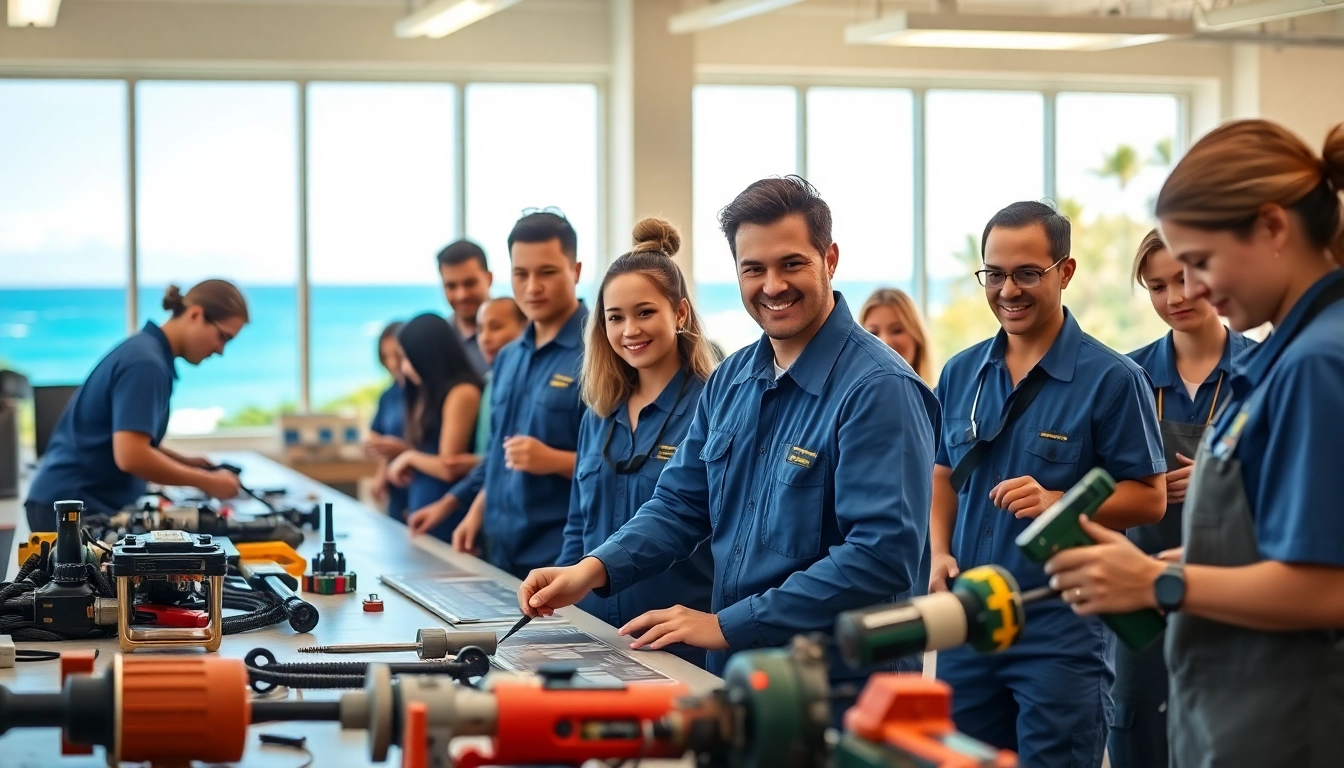
The Importance of Trade Schools in Hawaii
In today's rapidly evolving job market, vocational education has emerged as a vital component of workforce development. In Hawaii, trade schools offer a gateway for individuals seeking practical skills and job readiness that align with local industry demands. As the economy shifts and new technologies emerge, understanding the role of trade schools in Hawaii becomes crucial for aspiring professionals. This article will explore the importance of trade schools, highlight popular institutions, guide readers in choosing the right programs, discuss funding options, and share success stories from alumni.
Demystifying Vocational Education
Many people associate vocational education with a narrow set of choices or view it as a second-tier educational path. However, the landscape of vocational training is far more expansive and credible than this perception suggests. Vocational education equips students with practical skills and knowledge tailored to specific careers, enabling them to enter the workforce more quickly than traditional four-year college programs. The result is a skilled workforce ready to meet the diverse needs of Hawaii's economy.
Benefits for Local Economies
Trade schools play a significant role in bolstering local economies in Hawaii. As these institutions train students for in-demand occupations such as healthcare, construction, and technology, they contribute to reducing unemployment rates. Furthermore, local businesses benefit from a pipeline of trained workers ready to support their operations, thus fostering economic growth and stability within communities.
Connecting Skills with Opportunities
One of the primary missions of trade schools is to bridge the gap between skill development and employment opportunities. Many programs are designed in collaboration with local employers, ensuring that the training provided aligns with the specific requirements of certain industries. This connection between education and employment positions graduates for success, as they enter the job market with relevant qualifications and experiences.
Popular Trade Schools in Hawaii
Leading Institutions Overview
Hawaii boasts several notable trade schools that offer a wide range of vocational programs. Each institution is distinct, with its own set of specialties, teaching methodologies, and facilities. Students can explore options such as community colleges, technical institutes, and private training facilities. Some leading institutions can provide students with an extensive curriculum that meets the current job market's needs.
Distinctive Programs Offered
Different trade schools in Hawaii offer programs across various fields including culinary arts, nursing, marine technology, and electrical work. These programs not only cover core competencies but also include hands-on training and internships, allowing for practical experience in real-world settings. Such distinctive programs equip students to excel in specific fields, increasing their employability upon graduation.
Admissions Process and Requirements
The admissions process for trade schools in Hawaii can vary, but most institutions will require prospective students to submit an application, proof of high school completion or equivalent, and sometimes, entrance exams. It’s often beneficial for students to visit campuses, attend information sessions, and consult with admissions counselors to gain a clear understanding of the programs available and entry requirements.
Choosing the Right Program
Assessing Your Career Goals
Before committing to a trade school program, it’s essential for students to assess their career goals. Understanding personal interests, strengths, and long-term aspirations will help in selecting the right field of study. Many trade schools offer counseling services that can aid students in navigating their options based on future job prospects and individual preferences.
Key Factors to Consider
Several factors play a crucial role when choosing a vocational program. These may include the school’s accreditation status, program length, tuition costs, and the availability of job placement services. Additionally, prospective students should consider location, class sizes, and faculty qualifications, all of which can significantly impact the educational experience.
Consultation and Resources Available
Trade schools often provide resources for students to help them make informed decisions. Many institutions have career advisors, online assessments, and informative workshops designed to guide students through their educational journey. Leveraging these resources can lead to more satisfactory career outcomes and job placements after graduation.
Funding Your Trade School Education
Scholarships and Grants for Students
Financing education can be a daunting challenge, but several scholarship and grant opportunities are available specifically for those attending trade schools in Hawaii. Local organizations, community foundations, and schools often offer financial aid to help ease the burden of tuition costs. Students should actively research these opportunities and apply early to maximize their chances of receiving funding.
Financial Aid Opportunities Explained
In addition to scholarships and grants, federal financial aid can provide support to students pursuing vocational education. Completing the Free Application for Federal Student Aid (FAFSA) allows students to determine their eligibility for various forms of assistance, including low-interest loans and work-study options. Understanding these financial aid pathways is critical for reducing overall educational expenses.
Budgeting Tips for Students
Effective budgeting is essential for students attending trade schools. Creating a detailed budget can help manage educational expenses, living costs, and personal spending. Utilizing tools such as budgeting apps or spreadsheets can simplify this process. Students should prioritize essential expenses, look for ways to save, and even explore part-time work opportunities to support their studies financially.
Success Stories from Trade Schools in Hawaii
Alumni Profiles and Achievements
Many alumni of trade schools in Hawaii have gone on to achieve remarkable career success. From owning successful businesses to excelling in high-demand professions, these individuals serve as inspirational examples of what can be accomplished through vocational training. Showcasing these success stories highlights the value of trade schools in transforming lives and shaping futures.
Real-World Applications of Skills Learned
Graduates often experience firsthand the direct relevance of their education in the workplace. Many have reported immediate applicability of skills learned during their programs in real-world scenarios. This connection enhances the learning experience and prepares students to contribute effectively to their chosen fields upon graduation.
Community Impact and Engagement
The impact of trade schools extends beyond individual career success; they also play a pivotal role in community engagement and development. Many institutions encourage students to participate in local projects, volunteer work, and partnerships with businesses, fostering a sense of connection and commitment to the communities they serve. This engagement creates a cycle of growth and development that benefits both students and local populations.
Frequently Asked Questions
What types of programs are available at trade schools in Hawaii?
Trade schools in Hawaii offer programs in fields such as healthcare, culinary arts, automotive technology, and information technology, with hands-on training and certifications.
How long does it take to complete a trade school program?
The duration of trade school programs varies, typically ranging from a few months to two years, depending on the specific field of study and credential pursued.
Are trade schools accredited institutions?
Many trade schools in Hawaii are accredited, which is essential for ensuring educational quality and giving graduates access to federal financial aid and greater employment opportunities.
Can I receive financial aid for attending a trade school?
Yes, students can apply for various financial aid options, including scholarships, grants, and federal loans, to assist with financing their trade school education.
What is the job outlook for graduates of trade schools?
The job outlook for trade school graduates is generally positive, as skilled trades and vocational roles are in high demand across numerous industries, providing ample job opportunities.