
Understanding the Essential Role of NAD+ in Cellular Health
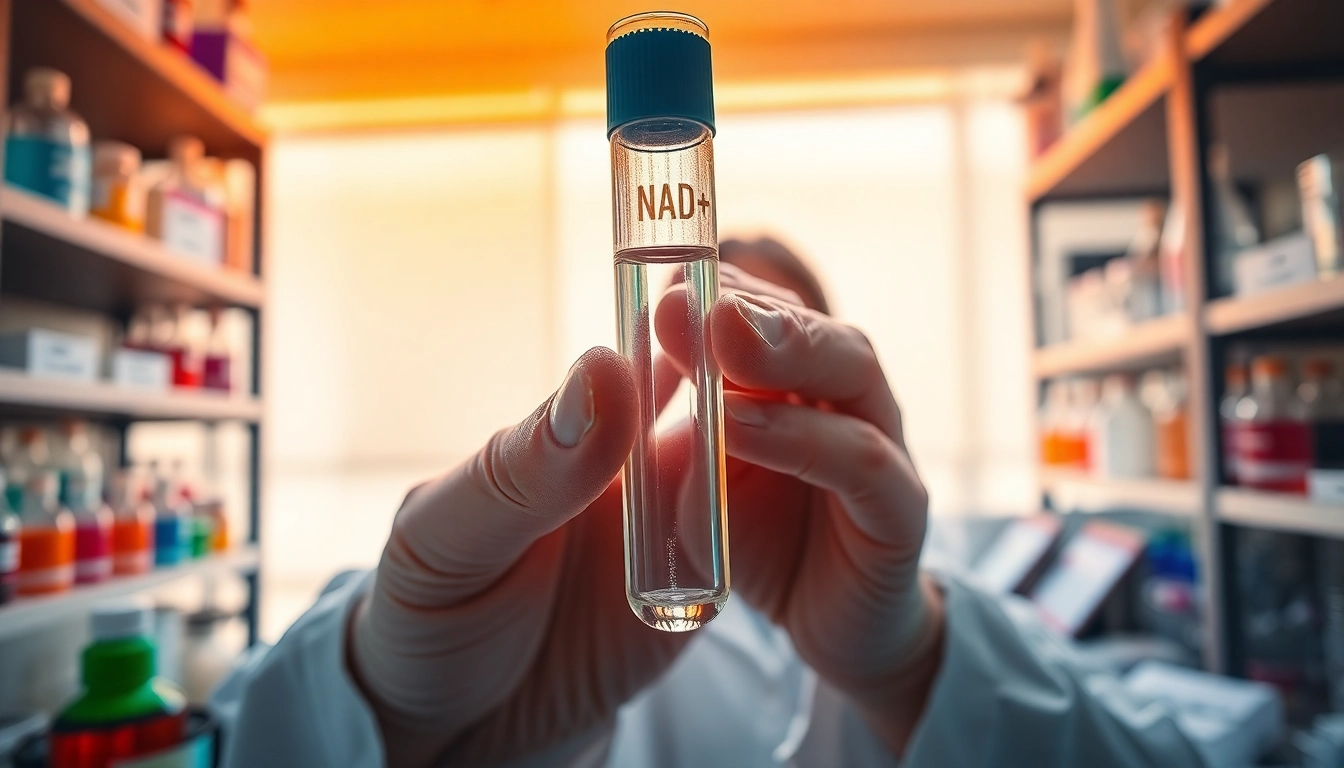
Introduction to NAD+
In the realm of cellular biology, few molecules are as crucial as NAD+. This coenzyme, known scientifically as nicotinamide adenine dinucleotide, plays a vital role in various biological processes that are essential for life. From helping to generate energy to facilitating cellular repair, the significance of NAD+ cannot be overstated. Understanding its mechanisms and functions is not only fascinating but also pivotal in the field of health and wellness.
What is NAD+?
NAD+ is a coenzyme found in all living cells. It exists in two forms: NAD+ and its reduced form, NADH. This coenzyme is a derivative of vitamin B3 and plays a crucial role in redox reactions, where it alternates between oxidizing and reducing states to facilitate various metabolic processes. In its oxidized form (NAD+), it accepts electrons from other molecules, whereas in its reduced form (NADH), it donates electrons to the electron transport chain, a critical component in cellular respiration.
Importance of NAD+ in Cellular Functions
The importance of NAD+ stretches across multiple cellular functions. It is central to the metabolic pathway that converts food into energy, assisting in the transformation of glucose into ATP, the energy currency of the cell. Furthermore, NAD+ serves as a substrate for several enzymes, including dehydrogenases and sirtuins, which are pivotal in regulating metabolism, DNA repair, and cell survival. Without adequate levels of NAD+, cellular function becomes compromised, leading to various health issues.
Sources of NAD+
NAD+ can be synthesized by the body through dietary sources. Foods rich in tryptophan, a precursor of NAD+, such as turkey, chicken, and dairy products, contribute to its endogenous production. Additionally, niacin, found in foods like fish, whole grains, and peanuts, is another important source that the body can convert into NAD+. Supplementing these dietary sources can significantly influence NAD+ levels, influencing overall health.
Biochemistry of NAD+
Metabolic Pathways Involving NAD+
NAD+ is intricately linked to various metabolic pathways, notably glycolysis and the citric acid cycle. During glycolysis, glucose is broken down to produce pyruvate, with NAD+ capturing electrons to form NADH. This process allows for the regeneration of NAD+ so it can continue to participate in metabolic transformations. In the citric acid cycle, NAD+ again plays a critical role, facilitating the redox reactions essential for energy production while also contributing to intermediates needed for biosynthesis.
NAD+ and Energy Production
The energy production process primarily utilizes NAD+ in the mitochondria through oxidative phosphorylation. When NADH, produced in glycolysis and the citric acid cycle, donates electrons to the electron transport chain, it helps create a proton gradient that drives the synthesis of ATP via ATP synthase. This process underscores the centrality of NAD+ in converting the energy stored in food into usable cellular energy, thereby sustaining life.
Role of NAD+ in DNA Repair
Another critical function of NAD+ is its role in DNA repair. NAD+ is a necessary substrate for poly(ADP-ribose) polymerases (PARPs), enzymes responsible for detecting and repairing DNA strand breaks. When DNA damage occurs, PARPs use NAD+ to facilitate the repair process, highlighting how NAD+ directly connects to cellular health and longevity. Adequate levels of NAD+ support genome integrity, essential in preventing age-related diseases and cancers.
Health Benefits of NAD+
NAD+ and Aging
Research has established a compelling connection between NAD+ and the aging process. NAD+ levels naturally decline with age, which correlates with a decrease in cellular functions and the onset of age-related diseases. Restoring NAD+ levels has shown promise in promoting longevity and improving various age-linked ailments by enhancing cellular metabolism, reducing inflammation, and stimulating DNA repair processes.
Impact on Metabolic Health
In addition to its role in aging, NAD+ is crucial for metabolic health. It influences insulin sensitivity, energy production, and overall metabolic regulation. Higher NAD+ levels can enhance the cellular response to insulin, aiding in blood sugar regulation and reducing the risk of metabolic syndrome. Furthermore, animal studies have demonstrated that boosting NAD+ can lead to improvements in lipid profiles and reduce obesity-related complications.
NAD+ and Neuroprotection
NAD+ plays a vital role in brain health and neuroprotection. Research indicates that increasing NAD+ levels can protect neurons from degeneration, which is particularly relevant in neurodegenerative diseases like Alzheimer’s and Parkinson’s. Enhanced NAD+ levels can improve mitochondrial function, reduce oxidative stress, and support neuronal repair, highlighting its potential as a therapeutic target in preserving cognitive functions.
Boosting NAD+ Levels
Dietary Sources and Supplements
Increasing dietary intake of NAD+ precursors can significantly boost its levels in the body. Foods rich in nicotinamide and niacin, including legumes, green vegetables, and whole grains, can support endogenous NAD+ synthesis. Additionally, supplements like nicotinamide riboside and nicotinamide mononucleotide have gained popularity due to their ability to elevate NAD+ levels directly, showcasing a practical approach for enhancing cellular health.
Lifestyle Changes to Enhance NAD+
Beyond diet, certain lifestyle changes can promote higher NAD+ levels. Regular physical activity has been shown to increase NAD+ synthesis by stimulating the enzymes involved in its production. Intermittent fasting and caloric restriction have similarly been associated with increased NAD+ levels and enhanced mitochondrial function. Implementing these lifestyle changes not only supports NAD+ levels but also contributes to overall health and longevity.
Potential Risks of NAD+ Supplementation
While the benefits of NAD+ supplementation are notable, it is vital to approach them with caution. Excessive NAD+ levels can potentially lead to imbalances and metabolic dysregulation. Individuals should consult healthcare professionals before beginning supplementation, especially if they have underlying health conditions. Understanding the appropriate dosages and combination with other health practices is crucial for maximal benefit without adverse effects.
Conclusion and Future Perspectives
Research Trends in NAD+
The exploration of NAD+ continues to evolve, with ongoing research delving into its potential for improving healthspan and lifespan. Current studies are investigating the mechanisms behind NAD+’s role in age-related diseases, metabolic syndromes, and neurodegeneration. As our understanding of NAD+ deepens, its application in therapeutic interventions may become more pronounced, driving new clinical practices.
Implications for Future Therapies
The therapeutic potential of targeting NAD+ levels suggests promising avenues for treating diseases linked to aging and metabolic dysfunction. Future therapies may include targeted NAD+ boosters or innovative compounds that enhance its production naturally. Additionally, understanding how lifestyle factors impact NAD+ metabolism could lead to integrative health strategies focused on preventive care and holistic well-being.
Final Thoughts on NAD+
NAD+ is undeniably a cornerstone of cellular function and health. As research continues to unveil its multifaceted roles in metabolism, aging, and neuroprotection, the importance of maintaining optimal NAD+ levels becomes increasingly apparent. Through dietary management, lifestyle modifications, and careful supplementation, individuals have the opportunity to enhance their cellular health and promote longevity.
Frequently Asked Questions
1. What is NAD+ and why is it important?
NAD+ is a coenzyme vital for energy production in cells and aids in metabolic processes, DNA repair, and cellular health.
2. How can I boost my NAD+ levels naturally?
Boosting NAD+ levels can be achieved through nutritional sources (like vitamin B3), regular exercise, and caloric restriction.
3. Are there any side effects of NAD+ supplementation?
Possible side effects include metabolic imbalances. Consulting a healthcare professional before starting supplementation is essential.
4. What foods are high in NAD+ precursors?
Foods rich in NAD+ precursors include tryptophan-rich foods like turkey, chicken, fish, nuts, and legumes.
5. Can NAD+ impact aging?
Yes, NAD+ levels tend to decline with age; boosting them may help mitigate age-related health issues and promote longevity.